

Mediterranean Herbs and Spices: The Complete Pantry Guide
The moment it clicked for me was a pinch of dried oregano at a market stall, crushed between a vendor’s fingers and held under my nose. It smelled sharp, warm and almost peppery, nothing like the gray-green dust in the jar back home. That jar, I realized, wasn’t seasoning anything. It was decoration.
I wasn’t alone. A USDA Economic Research Service analysis found that the United States is the world’s largest importer and consumer of spices, with both imports and consumption on the rise. Yet the FDA notes that over 70% of the sodium Americans eat comes from packaged and prepared foods. We buy plenty of spices; we just lean on salt and processed food for flavor instead.
My own cabinet proved it. When I finally cleaned it out, I counted more than 40 jars. Over half had faded to the color of sawdust, several were duplicates I’d forgotten I owned, and one tin of paprika had moved with me through three apartments. I threw away well over $100 worth of spices that had quietly lost their flavor years before.
If you’ve been shaking the same jar of “Italian seasoning” over everything and wondering why your food doesn’t taste like the Mediterranean, the problem isn’t your cooking. It’s your pantry. Start with my Mediterranean diet guide for beginners to see why herbs and spices sit right at the foundation of this way of eating.
Here’s the truth: Mediterranean flavor doesn’t come from a long list of exotic ingredients. It comes from a short list of herbs and spices, bought fresh, stored well and used at the right moment. In this guide, you’ll learn which herbs and spices matter most, when to choose fresh or dried, how to toast, grind and bloom spices for maximum flavor, how to make the classic blends, how to store and preserve everything, and how to fix the most common seasoning mistakes.
Note: This guide is for general cooking education, not medical advice. If you have a health condition or take medication, talk with your doctor or a registered dietitian before making major changes to your diet.
Why Herbs and Spices Matter in Mediterranean Cooking
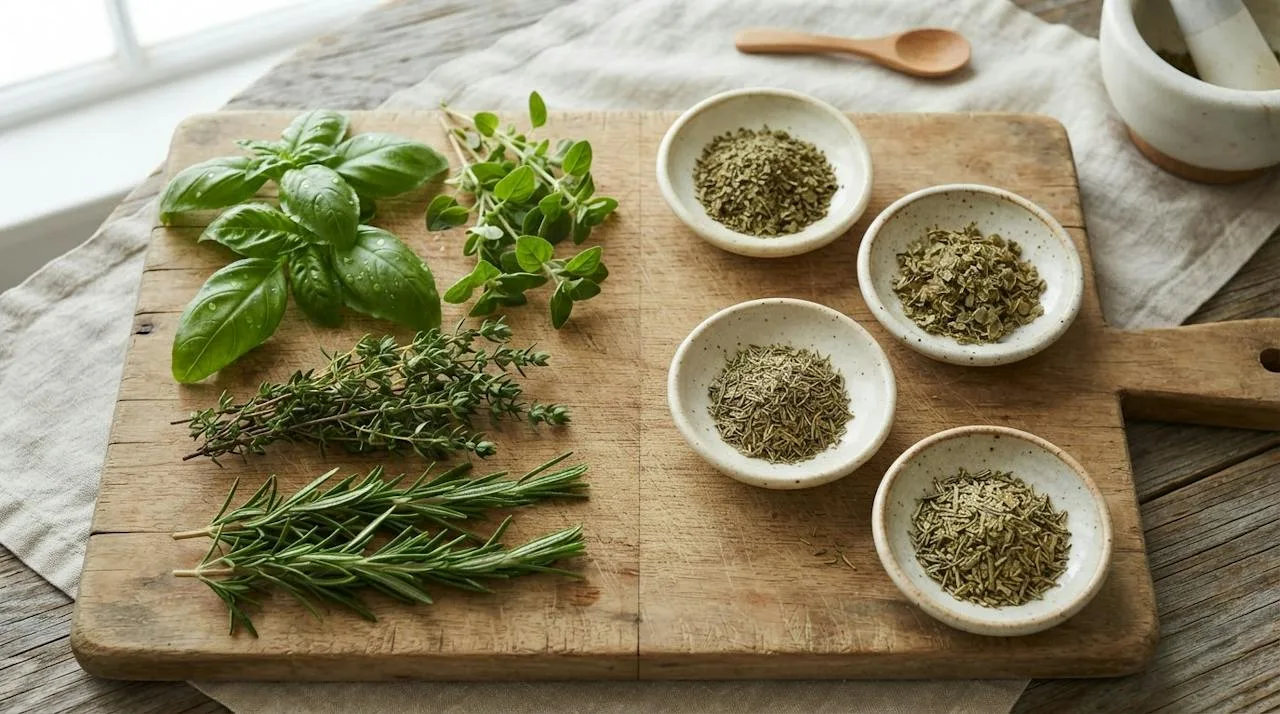
Take the herbs and spices out of Mediterranean food, and what’s left is surprisingly plain.
The Flavor Foundation of a Whole Way of Eating
Think about the dishes that define the region: Greek beans with oregano and dill, Spanish stews red with paprika, Lebanese salads sour with sumac, Moroccan tagines warm with cumin and cinnamon, Italian sauces built on basil and garlic. The base ingredients are humble, mostly vegetables, beans, grains and olive oil. The herbs and spices are what make each one taste like a specific place.
That’s not an accident. When UNESCO inscribed the Mediterranean diet on its list of Intangible Cultural Heritage in 2013, it described a set of skills, knowledge and traditions around crops, harvesting and cooking, passed down through generations. Seasoning is a big part of that knowledge.
The Oldways Mediterranean Diet Pyramid puts herbs and spices at its base, alongside vegetables, fruits, whole grains, beans, nuts and olive oil, to be enjoyed at every meal. Harvard’s Nutrition Source likewise describes the diet as emphasizing a daily intake of whole grains, olive oil, fruits, vegetables, legumes, nuts, herbs and spices.
More Flavor, Less Salt
Here’s where herbs and spices quietly earn their place. The American Heart Association recommends no more than 2,300 mg of sodium a day for most adults, moving toward an ideal limit of 1,500 mg. Most of us go well over that.
Flavor is the reason salt is so hard to cut back on. Take it away without replacing it, and food tastes flat. Herbs and spices fill that gap. In a study summarized by Harvard’s Nutrition Source, adults who were taught to cook with herbs and spices as part of a behavioral program ate about 957 mg less sodium a day than a comparison group.
Mediterranean Secret: When a dish tastes flat, reach for acid and herbs before salt. A squeeze of lemon, a pinch of sumac or a handful of chopped parsley often fixes “something’s missing” better than another shake of the salt shaker.
Small Leaves, Big Compounds
Herbs and spices are also some of the most concentrated sources of plant compounds in the kitchen. When researchers compiled the 100 richest dietary sources of polyphenols for the European Journal of Clinical Nutrition, the richest sources were various spices and dried herbs, along with cocoa products and some darkly colored berries. Cloves topped the whole list.
You use them in small amounts, of course, so a pinch of oregano isn’t a health food on its own. But used generously and daily, the way Mediterranean cooks use them, they add up, and they make vegetables, beans and whole grains taste good enough that you’ll want to eat more of them.
Fresh vs. Dried Herbs: When to Use Each
This is the question I get asked most, and the answer isn’t “fresh is always better.”
The 3-to-1 Conversion Rule
Dried herbs are more concentrated than fresh, because the water is gone. University of Illinois Extension explains that you’ll typically use three times as much fresh herb as dried. In practice:
- 1 tablespoon fresh = 1 teaspoon dried
- 3 tablespoons fresh = 1 tablespoon dried
Treat it as a starting point. Dried herbs lose strength as they age, so an old jar may need more, and a freshly opened bag of good Greek oregano may need less.
Woody Herbs: Built for Heat
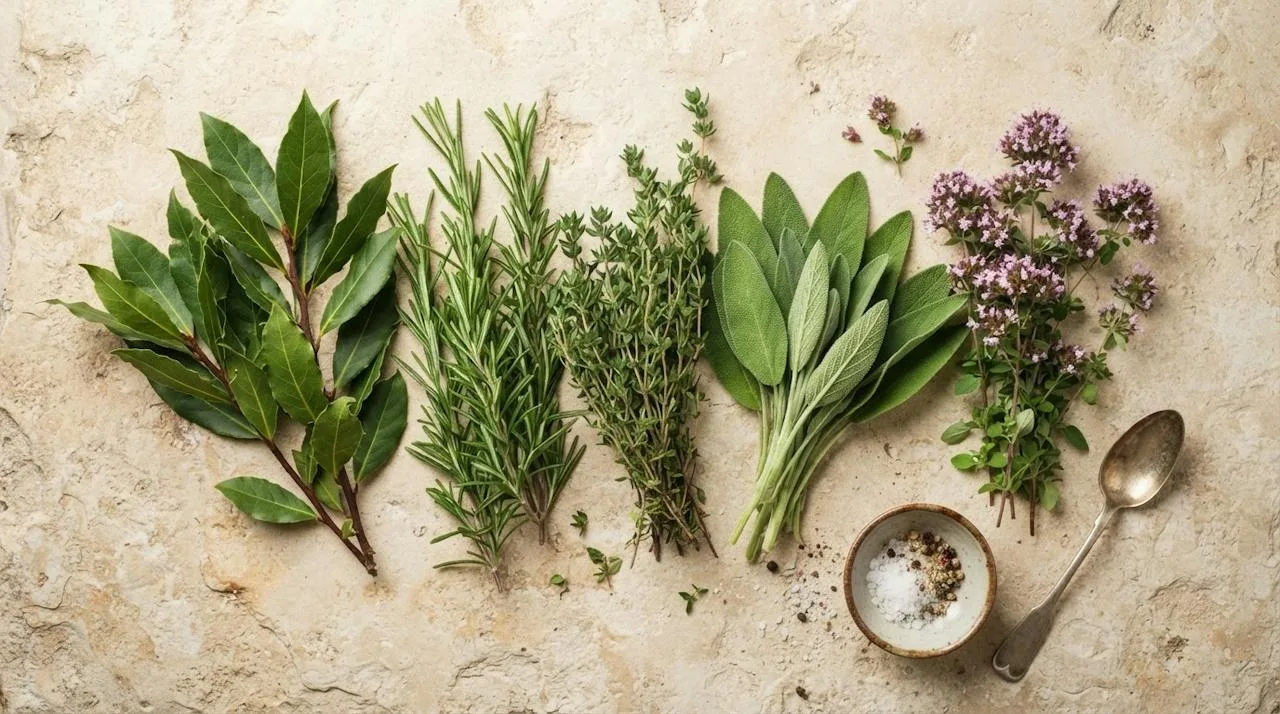
Rosemary, thyme, oregano, sage and bay leaves grow on tough stems with sturdy, oily leaves. They evolved in hot, dry Mediterranean hillsides, and that toughness shows in the kitchen.
- They handle long cooking. Add them early to braises, beans, roasts and sauces, and their flavor infuses the whole dish.
- They dry beautifully. Dried oregano and thyme are staples in Greek and Middle Eastern kitchens, not a compromise.
- Use whole sprigs in stews and remove the stems before serving, or strip the leaves and chop them finely.
Tender Herbs: Best Fresh and Late
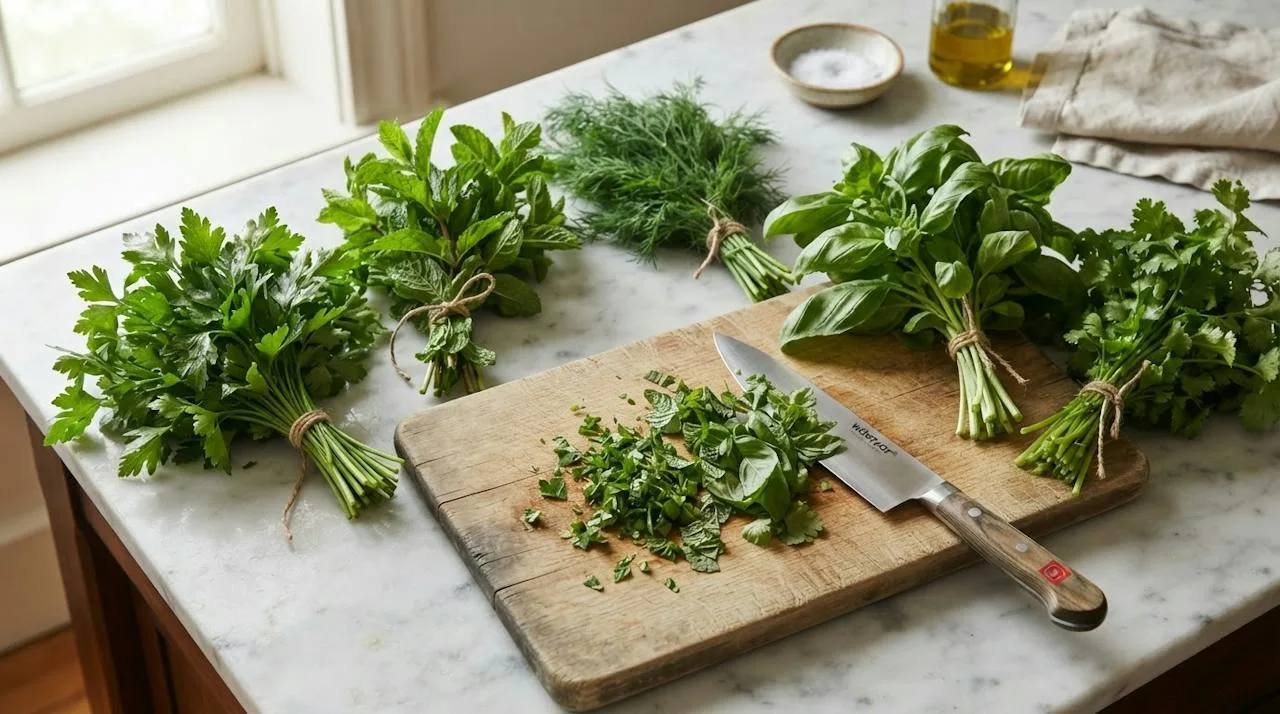
Parsley, mint, dill, basil and cilantro have soft stems and delicate leaves. Their flavor is bright and fresh, and it fades quickly with heat.
- Add them at the end of cooking, or scatter them over the finished dish.
- Use them in quantity. In tabbouleh, parsley isn’t a garnish; it’s the main ingredient.
- Dried versions are weak. Dried parsley and dried basil taste of very little. Buy these fresh.
When Dried Beats Fresh
Some Mediterranean dishes are built on dried herbs on purpose. Greek salad, souvlaki and lemon potatoes all rely on dried oregano, which has a deeper, more concentrated flavor than fresh. Za’atar is a dried blend. Herbes de Provence is dried. If a traditional recipe calls for dried, use dried.
Common Mistake: Substituting dried parsley or dried basil for fresh in recipes where those herbs are the star. Pesto, tabbouleh and green herb sauces depend on fresh leaves. If you can’t get fresh, choose a different recipe.
The Essential Mediterranean Herbs
You don’t need dozens of herbs. These are the ones I reach for again and again.
Oregano: Why Greek Oregano Matters
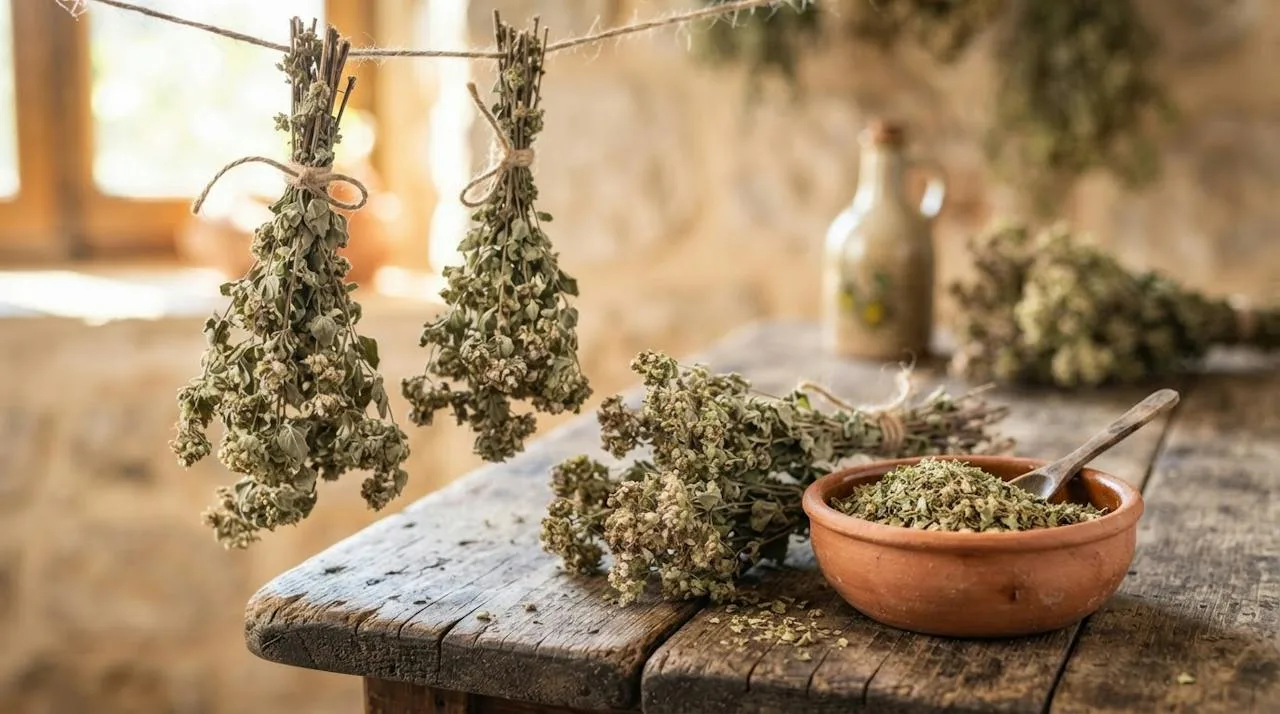
If you buy one dried herb, make it Greek oregano. Sold in Greek markets as long, dried stems with the flowers still attached, it has a punchy, almost spicy flavor that bland supermarket oregano can’t match.
Greek oregano is a specific subspecies, Origanum vulgare subsp. hirtum. A 2020 study in Foods found carvacrol, the compound behind oregano’s sharp, warm bite, made up as much as 32% of a key fraction of its aromatic compounds.
Don’t confuse it with Mexican oregano. Despite the name, it comes from a different plant family entirely. A review in the Revista Mexicana de Ciencias Agrícolas explains that Mediterranean oregano, Origanum vulgare, is native to Europe, while Mexican oregano, Lippia graveolens, is native to the Americas. Mexican oregano has a more citrusy, grassy flavor that’s wonderful in Mexican food but tastes out of place in a Greek salad.
Use it in: Greek salad, roasted potatoes, grilled fish and chicken, tomato sauces, bean dishes, feta drizzled with olive oil.
Thyme
Thyme is the quiet workhorse of Mediterranean cooking. Earthy and slightly floral, it disappears into a dish while making everything taste deeper. It’s essential in Provençal cooking, in Greek bean and meat dishes, and in many versions of za’atar.
Use it in: roasted vegetables, white bean stews, lentil soups, marinades, tomato sauces.
Rosemary
Rosemary is piney, resinous and strong, so a little goes a long way. Chop it very finely, or use whole sprigs and remove them before serving, since the needles stay tough.
Use it in: roasted potatoes, focaccia, white beans, roasted chickpeas, grilled vegetables.
Bay Leaves
Bay leaves add a subtle, savory background note to anything simmered. Add one or two to a pot of beans, lentils, rice or stock, and remove them before serving, since the leaves stay stiff and sharp.
Use it in: dried chickpeas and beans, soups, braises, tomato sauces. My guide to cooking dried chickpeas is a perfect place to start using them.
Flat-Leaf Parsley
Flat-leaf parsley is the most used fresh herb in the eastern Mediterranean. Bright, green and slightly peppery, it’s the backbone of tabbouleh, a key ingredient in herb sauces, and the finishing touch on countless dishes. Buy it by the generous bunch.
Use it in: tabbouleh, salads, grain bowls, herb sauces, falafel, finishing any stew or roast.
Mint
Mint appears across the region, fresh and dried. Fresh mint brightens salads, yogurt sauces and grain dishes; dried mint is common in Greek, Turkish and Middle Eastern cooking, often sprinkled over yogurt or stirred into soups.
Use it in: tabbouleh, yogurt sauces, lentil soups, fattoush, Greek zucchini fritters.
Dill
Dill is the signature herb of many Greek dishes. Its fresh, slightly anise-like flavor pairs especially well with beans, spinach, yogurt and fish.
Use it in: spanakopita, tzatziki, Greek baked beans, rice dishes, salads with cucumber.
Basil
Basil is the herb of the Italian summer. It bruises and darkens easily, so tear it by hand or slice it at the last moment, and add it at the very end of cooking.
Use it in: tomato salads, pesto, pasta sauces, caponata, roasted vegetables. It’s the finishing touch on my Sicilian caponata.
Sage
Sage is soft, savory and slightly bitter. It’s used more sparingly than the others, mainly in Italian cooking, where it’s often crisped in olive oil.
Use it in: white beans, roasted squash, brown butter or olive oil sauces for pasta.
The Essential Mediterranean Spices
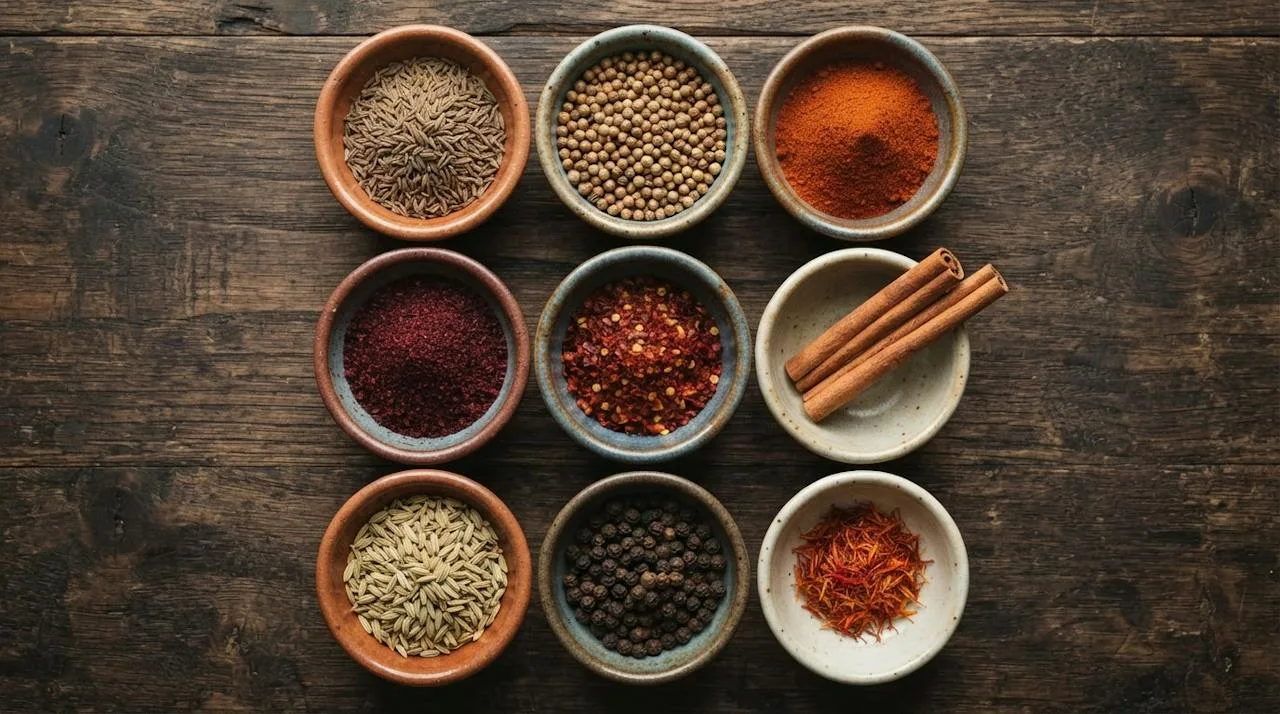
Herbs bring freshness. Spices bring warmth, color and depth.
Cumin and Coriander
Cumin is earthy and warm; coriander seed is lighter, citrusy and floral. Together, they form the backbone of North African and Levantine cooking, from falafel and hummus to tagines and spiced lentils. Buy both as whole seeds if you can, and toast and grind them as you need them.
Use them in: hummus, falafel, lentils, chickpea stews, roasted carrots, spice rubs.
Paprika and Spanish Pimentón
Paprika is made from dried, ground peppers, and it ranges from sweet and mild to hot. The one worth seeking out is Spanish smoked paprika, or pimentón. True Pimentón de la Vera is a protected designation of origin from northern Cáceres in Extremadura. According to its official product specification, the peppers are smoke-dried over holm oak or oak wood for 10 to 15 days, which gives the powder its deep, smoky flavor.
Use it in: Spanish stews, chickpeas and spinach, roasted potatoes, bean dishes, dusted over hummus.
Aleppo Pepper and Red Pepper Flakes
Aleppo pepper is a mild, fruity, slightly oily chile flake from the eastern Mediterranean, with a gentle heat that builds slowly. It’s a lovely finishing spice. Regular red pepper flakes work as a substitute, but use about half as much, since they’re hotter and sharper.
Use it in: eggs, hummus, roasted vegetables, grilled fish, pasta, anything that needs a gentle kick.
Sumac
Sumac is the secret to the sour, lemony flavor in so much Levantine food. Ground from the dried berries of Rhus coriaria, it’s deep red and tart. A 2021 review in Antioxidants notes that powdered sumac is added to salads and served with minced meat to add a lemony taste, and that in countries like Lebanon and Syria, it’s often part of za’atar.
Use it in: fattoush, onion salads, grilled meats and vegetables, hummus, roasted chicken, grain bowls.
Mediterranean Secret: Toss thinly sliced red onion with a big pinch of sumac and a little salt and let it sit for 10 minutes. The onion softens, turns pink and tastes tangy and bright. It’s an instant topping for bowls, salads and grilled food.
Saffron
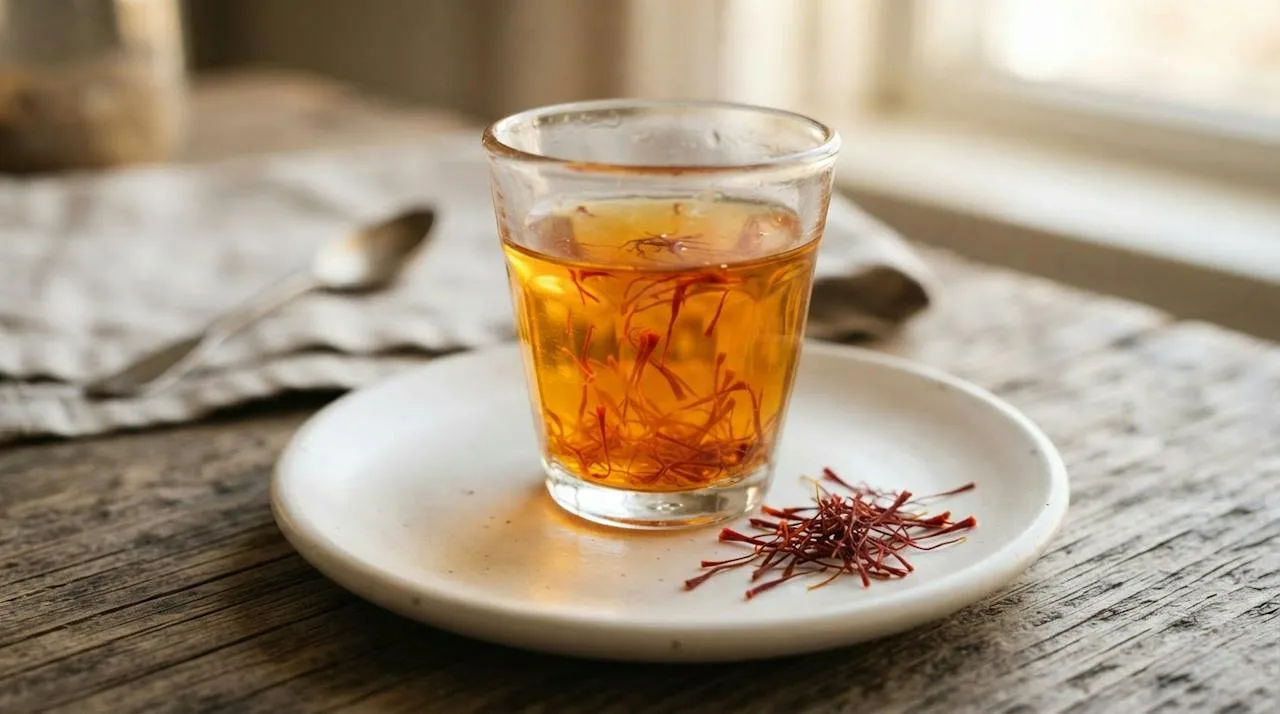
Saffron is the dried stigma of the saffron crocus, and every thread is picked by hand. According to Old Dominion University, about 75,000 flowers, or 225,000 stigmas, are needed for one pound of saffron, which is why it’s the most expensive spice known. The Vermont Agency of Agriculture, reporting on University of Vermont saffron research, notes it can sell for $20 to $75 a gram.
The good news is that a little goes a long way. A pinch of threads, steeped in a few tablespoons of warm water for 10 to 15 minutes, colors and flavors a whole pot of rice, paella or stew. Always buy threads, not powder, which is easier to adulterate.
Use it in: paella, bouillabaisse, Persian and Moroccan rice dishes, tagines.
Cinnamon
In Mediterranean cooking, cinnamon isn’t just for dessert. A stick or a pinch adds warmth to Greek tomato sauces, Moroccan tagines and Middle Eastern rice dishes.
Buy from reputable sources. In 2024, the FDA issued an alert about certain ground cinnamon products found to contain elevated levels of lead, and advised consumers not to buy or use the affected products.
Use it in: Greek tomato sauces, tagines, spiced rice, lentil dishes, baked fruit.
Fennel Seed and Black Pepper
Fennel seed is sweet and anise-like, essential in Italian sausage-style seasonings and wonderful with roasted vegetables and fish. Black pepper is so familiar we forget it’s a spice, but freshly ground pepper tastes completely different from the pre-ground kind. Buy whole peppercorns and a good grinder.
Techniques for Maximum Flavor
The same spice can taste flat or extraordinary depending on what you do with it in the first few minutes.
Toasting Whole Spices
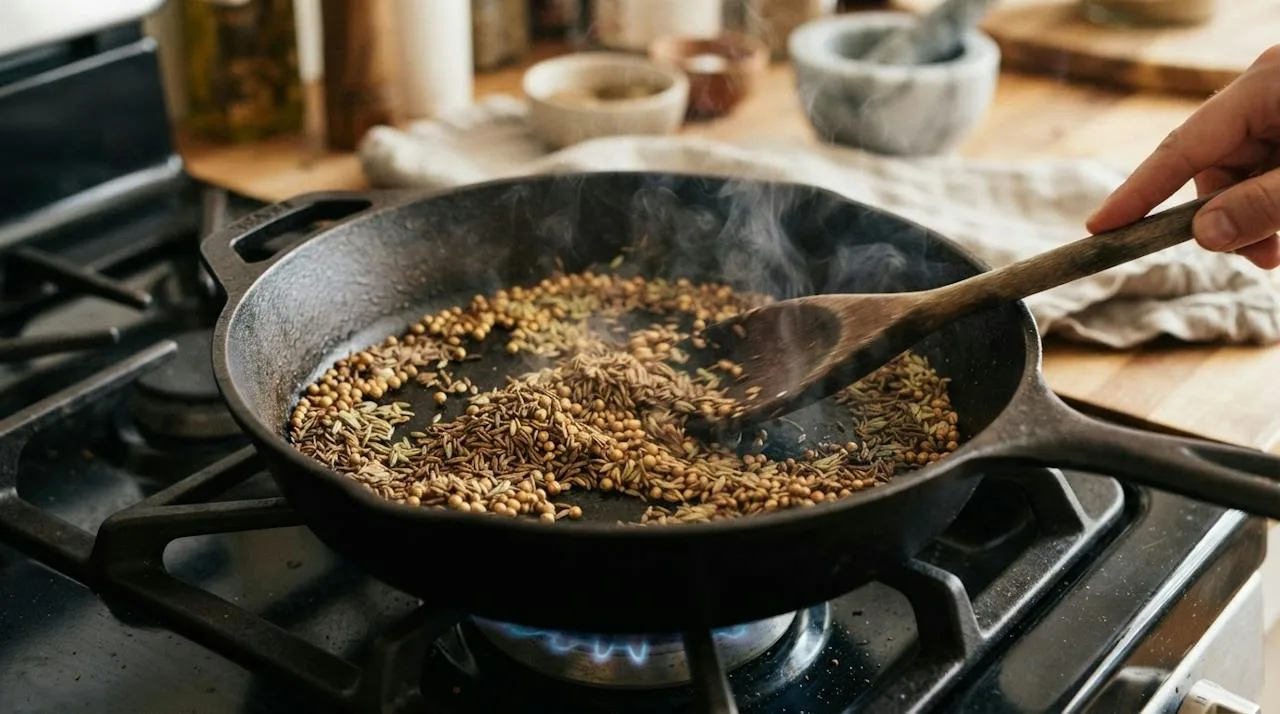
Toasting is the simplest way to wake up whole spices. As the National Kidney Foundation puts it, toasting spices brings out the oils and deeper flavors.
- Use a dry skillet over low to medium-low heat.
- Add whole seeds in a single layer: cumin, coriander, fennel or sesame.
- Shake the pan often for 1 to 3 minutes, until the seeds darken slightly and smell fragrant.
- Tip them onto a plate immediately. Left in the hot pan, they keep cooking and can burn.
Your nose is your best tool here. The moment the kitchen fills with a warm, toasty smell, they’re done. If they smell acrid or start smoking, they’ve burned, and it’s better to start over.
Grinding Your Own
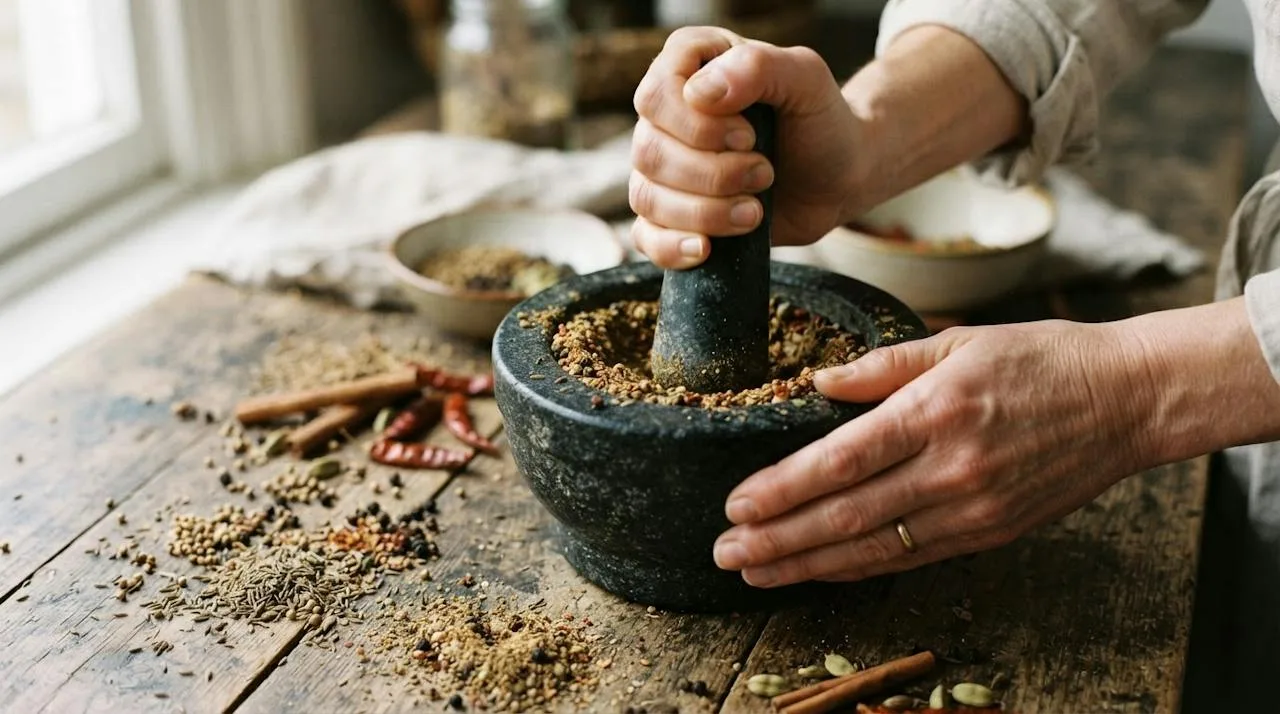
Whole spices hold their flavor far longer than ground ones, because grinding exposes their aromatic oils to air. Grind only what you need, right before you use it.
- Mortar and pestle: best for small amounts and coarse textures. It’s satisfying and gives you control.
- Electric spice grinder: fastest for larger batches and fine powders. A blade coffee grinder kept just for spices works perfectly.
Let toasted spices cool for a minute before grinding, so they grind cleanly instead of turning pasty.
Blooming Spices in Olive Oil
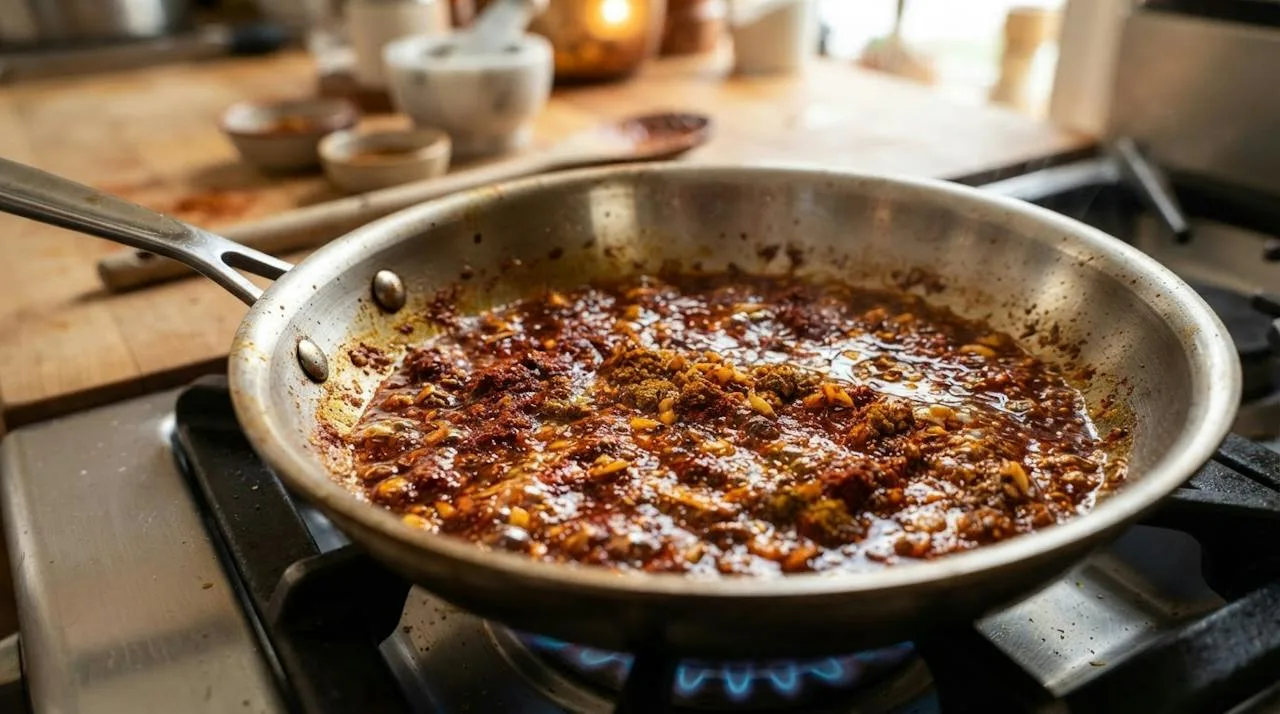
Many of the aromatic compounds in spices dissolve in fat, which is why Mediterranean cooks so often start dishes by warming spices in olive oil. This step, called blooming, infuses the oil with flavor that then carries through the whole dish.
- Warm olive oil over medium heat until it shimmers.
- Add ground spices and stir constantly for 30 to 60 seconds, until fragrant and the oil takes on their color.
- Add the next ingredient right away, such as onions, tomatoes or beans, to stop the spices from scorching.
Ground spices burn fast, especially paprika, which turns bitter in seconds over high heat. Keep the heat moderate. My guide to how to cook with olive oil explains how to read the shimmer that tells you the oil is ready, and my post on frying with extra virgin olive oil covers how hot is too hot.
Common Mistake: Adding paprika to a ripping-hot, empty pan of oil. It scorches almost instantly and turns the whole dish bitter. Lower the heat first, or add paprika together with onions or tomatoes so it never sits alone in hot oil.
Layering: When to Add Each Herb and Spice
Timing changes everything. A useful rule of thumb:
- At the start: whole spices, ground spices for blooming, bay leaves, woody herb sprigs.
- In the middle: dried herbs, so they have time to rehydrate and release flavor.
- At the end: tender fresh herbs, lemon zest, finishing spices like sumac and Aleppo pepper, and a drizzle of good olive oil.
The best Mediterranean dishes often use the same herb twice: dried oregano in the sauce, fresh oregano scattered on top.
Classic Mediterranean Spice Blends
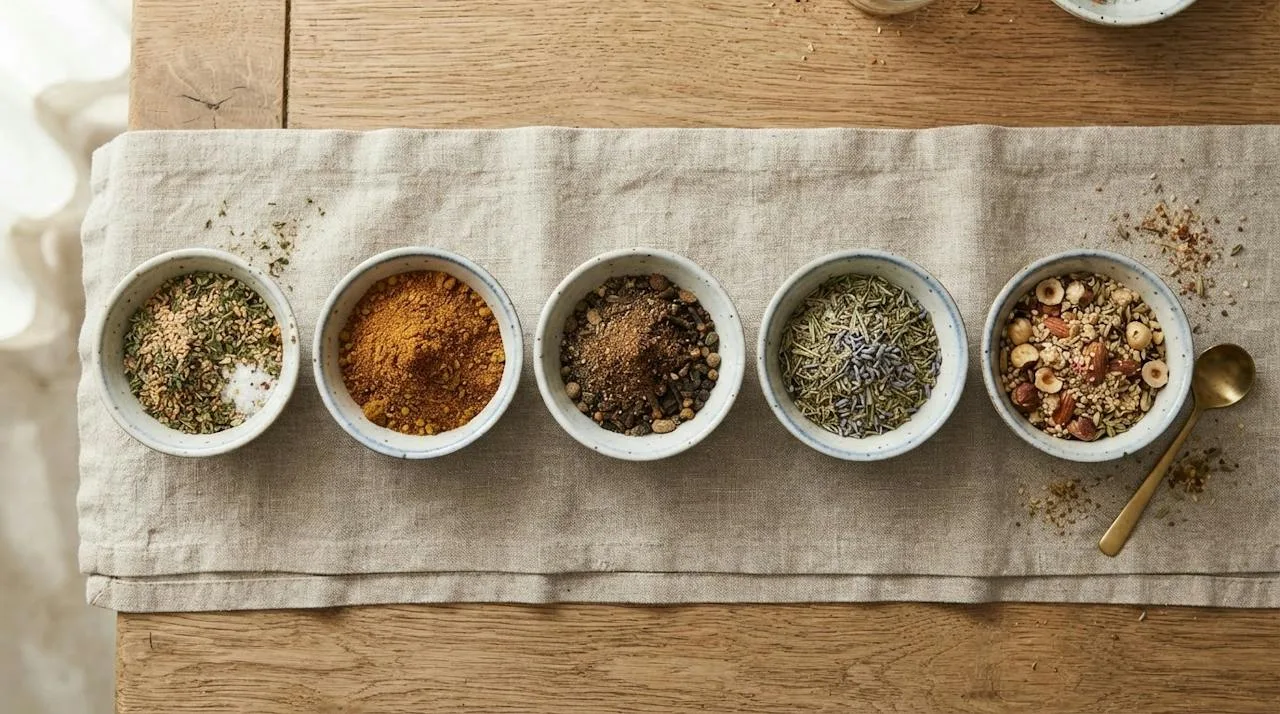
Every corner of the Mediterranean has its own signature blend. Learn these five, and you can travel the whole region from one spice drawer.
Za’atar
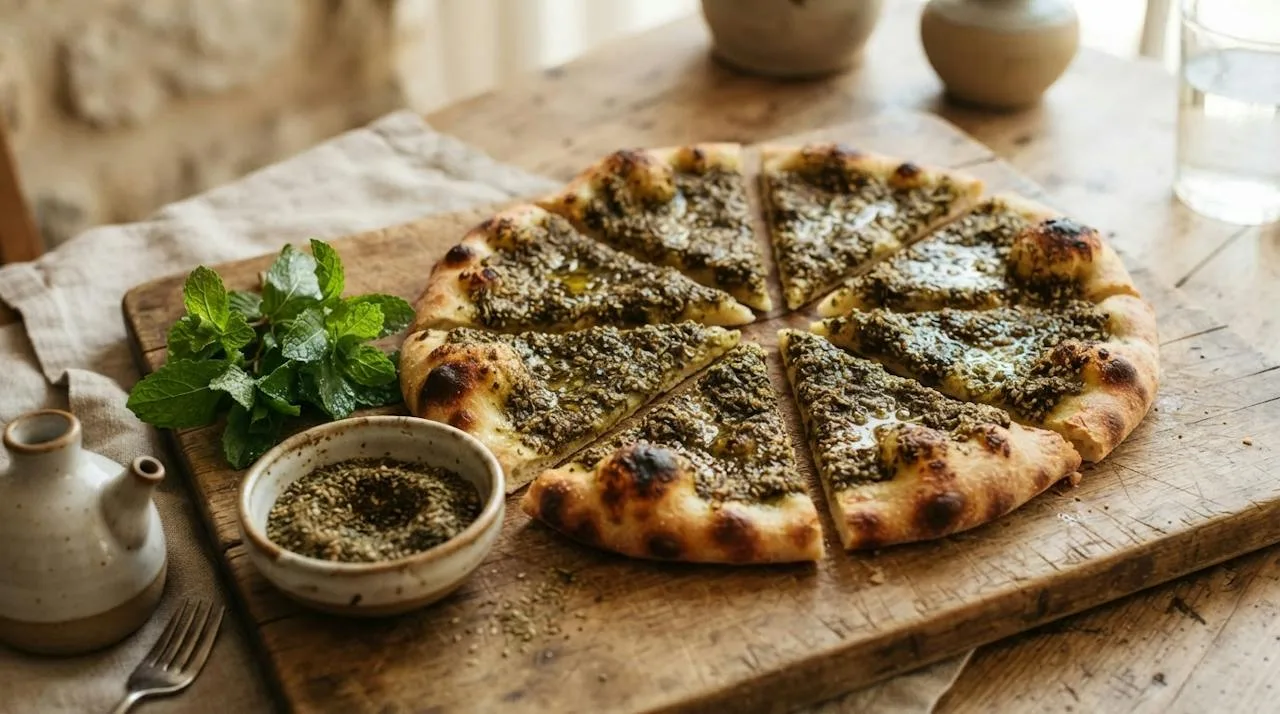
Za’atar is the defining flavor of the Levant. UC Cooperative Extension Master Food Preservers describe it as a dried spice and herb blend used in Middle Eastern and North African cuisines that, at its most basic, usually includes sumac, thyme, oregano and sesame seeds.
The word za’atar also names an herb itself. Traditionally, it’s made from Origanum syriacum, a wild oregano native to the eastern Mediterranean, as a study in Foods describes. Since that herb is hard to find in the US, most home versions use a mix of thyme and oregano.
A simple starting ratio: 2 tablespoons dried thyme, 1 tablespoon dried oregano, 1 tablespoon sumac, 1 tablespoon toasted sesame seeds and a pinch of salt.
Use it in: mixed with olive oil and spread on flatbread, sprinkled over labneh, hummus, eggs, roasted vegetables and grain bowls.
Ras el Hanout
The name means “head of the shop” in Arabic, the spice merchant’s best blend. Recipes vary widely and can include a dozen or more spices, but most combine warm spices like cumin, coriander, cinnamon, ginger, turmeric, black pepper and allspice.
Use it in: Moroccan tagines, roasted carrots and squash, chickpea stews, couscous.
Baharat
Baharat simply means “spices” in Arabic. This warm, all-purpose blend usually includes black pepper, allspice, cumin, coriander, cinnamon, cloves and nutmeg, with variations from country to country.
Use it in: lentils and rice, stuffed vegetables, grilled meat, roasted cauliflower.
Herbes de Provence
This dried herb blend from southern France usually combines thyme, rosemary, savory, marjoram and oregano, and many modern versions include lavender.
Use it in: roasted vegetables, potatoes, white beans, grilled chicken, ratatouille.
Dukkah
Dukkah is an Egyptian blend of toasted nuts, seeds and spices, typically hazelnuts, sesame, coriander and cumin, crushed to a coarse, crunchy texture. Dip bread in olive oil, then in dukkah.
Use it in: with bread and olive oil, sprinkled over salads, soups, roasted vegetables and eggs.
Green Herb Sauces
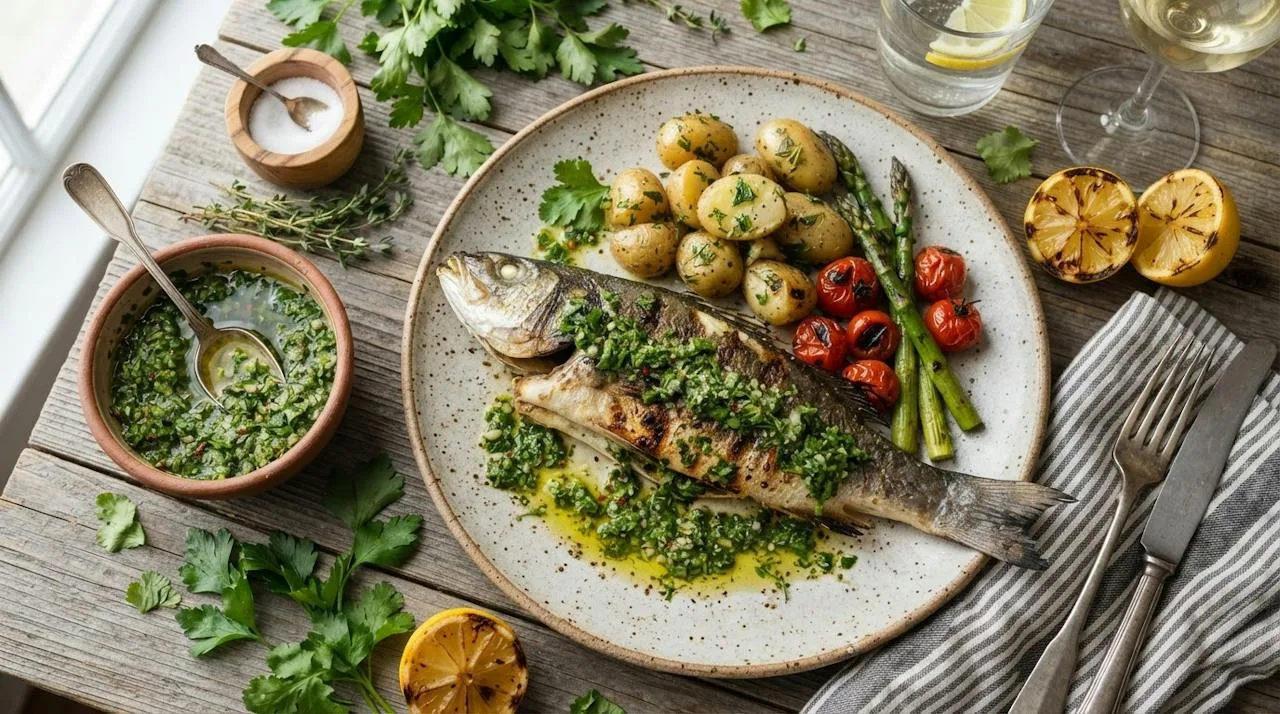
Not every blend is dry. Across the Mediterranean, fresh herbs are chopped with garlic, lemon and olive oil into vivid green sauces: Italian salsa verde, Moroccan chermoula and Provençal pistou, a cousin of pesto. They’re the fastest way to make simple food taste alive.
Spoon one over grilled fish, roasted vegetables, beans or eggs, or drizzle it over the bowls in my Mediterranean grain bowls guide, which includes a full green herb sauce recipe.
Reader Story: Amira from Columbus, Ohio, told me she’d been buying a different jar of seasoning for every recipe. “Now I keep za’atar, sumac, smoked paprika, cumin and Greek oregano, and that’s it,” she wrote. “I spend less, and everything tastes more Mediterranean than it ever did.”
Buying, Storing and Preserving Herbs and Spices
A great spice stored badly is just an expensive jar of dust.
Buying Smart
- Buy small amounts you’ll use within a few months, rather than giant economy jars.
- Choose whole spices where you can: cumin, coriander, fennel, peppercorns.
- Shop where turnover is high, such as Middle Eastern, Greek or Indian grocers, or busy bulk sections.
- Buy from reputable sources. Spices are a minimally processed agricultural product. The FDA’s risk profile on pathogens and filth in spices found that imported spice shipments had a Salmonella prevalence of 6.6%, higher than other imported foods. Raw spices sprinkled on finished dishes don’t get cooked, so quality and handling matter.
My Mediterranean diet shopping list includes the core herbs and spices worth keeping on hand.
Storing Dried Herbs and Spices
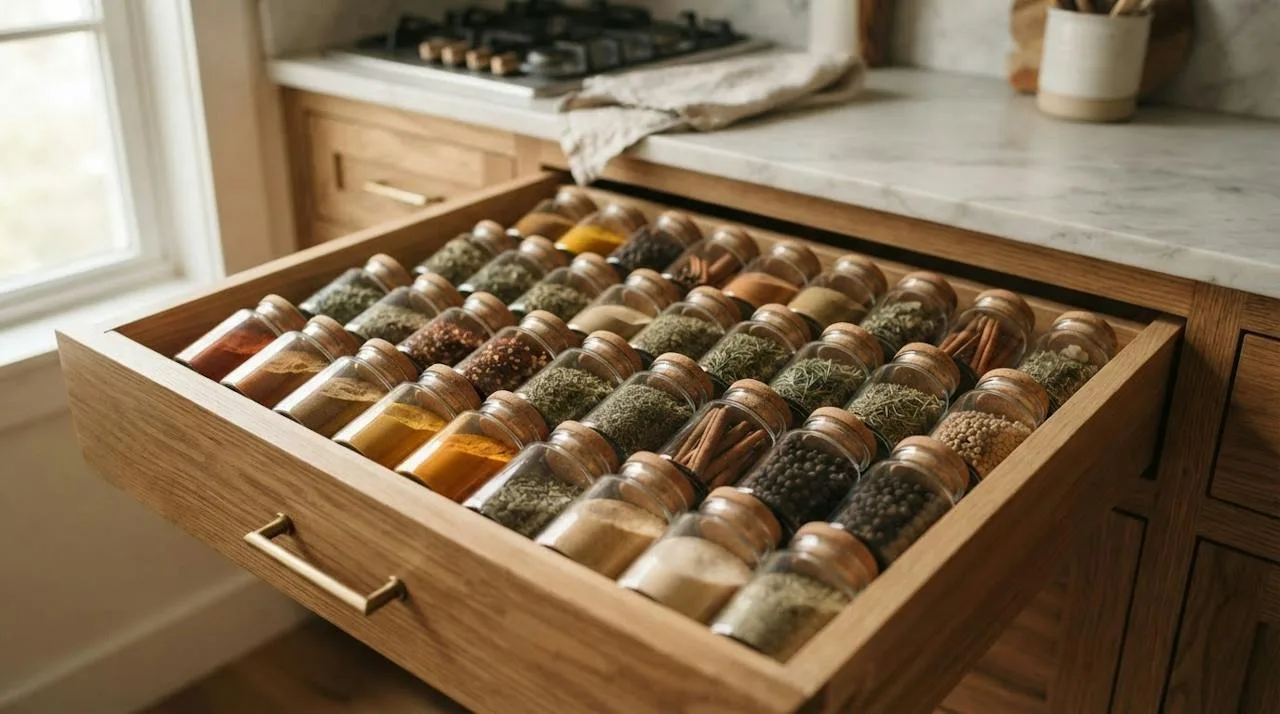
Heat, light, air and moisture are the enemies of flavor. Oklahoma State University Extension advises storing herbs and spices in tightly sealed containers in a dark cupboard, away from the stove, dishwasher, microwave and heating vents. It also gives a useful rule of thumb for quality:
- Ground spices and dried herbs: about 1 year
- Whole spices: about 2 years
The Freshness Test
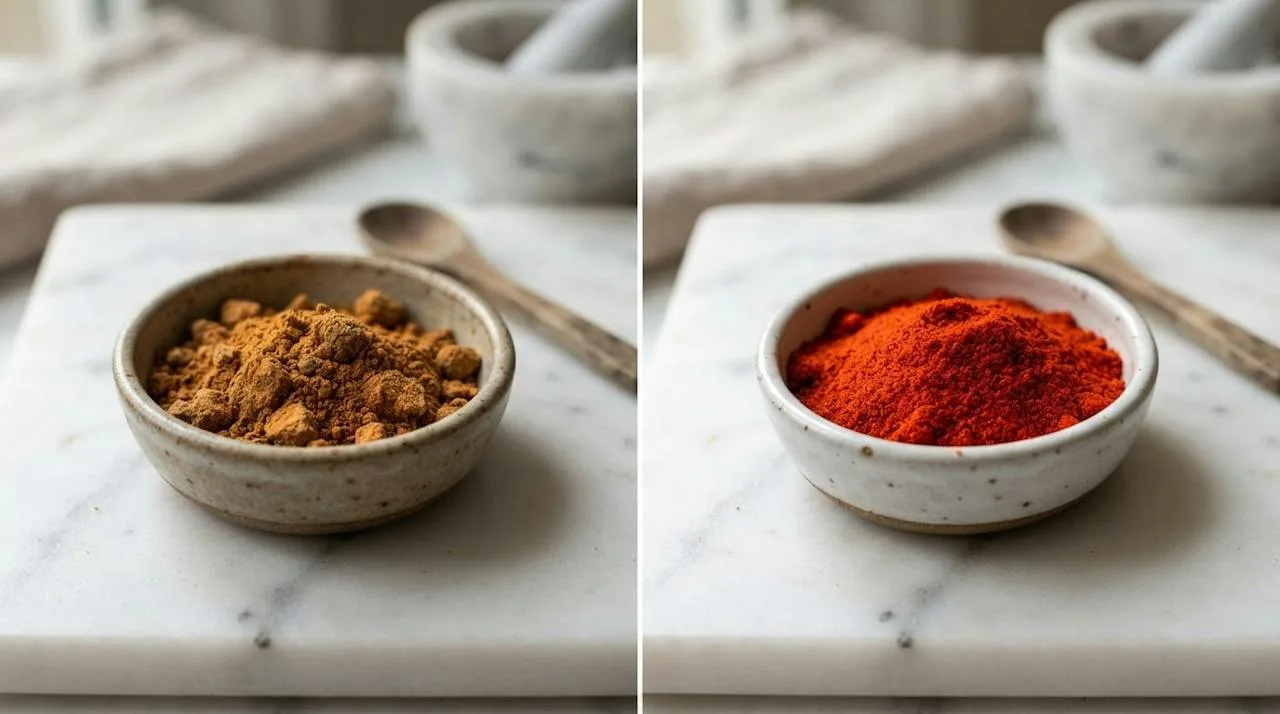
Don’t trust the date on the jar alone. Check with your senses:
- Look. Faded color is a warning sign. Paprika should be bright red; dried herbs should still be green, not gray or brown.
- Smell. Crush a pinch between your fingers. You should smell it right away. If you have to search for the aroma, it’s past its best.
- Taste. If it tastes like dust, it’ll make your food taste like dust.
Old spices aren’t usually unsafe; they’re just weak. Replace them, and write the purchase date on new jars.
Storing Fresh Herbs
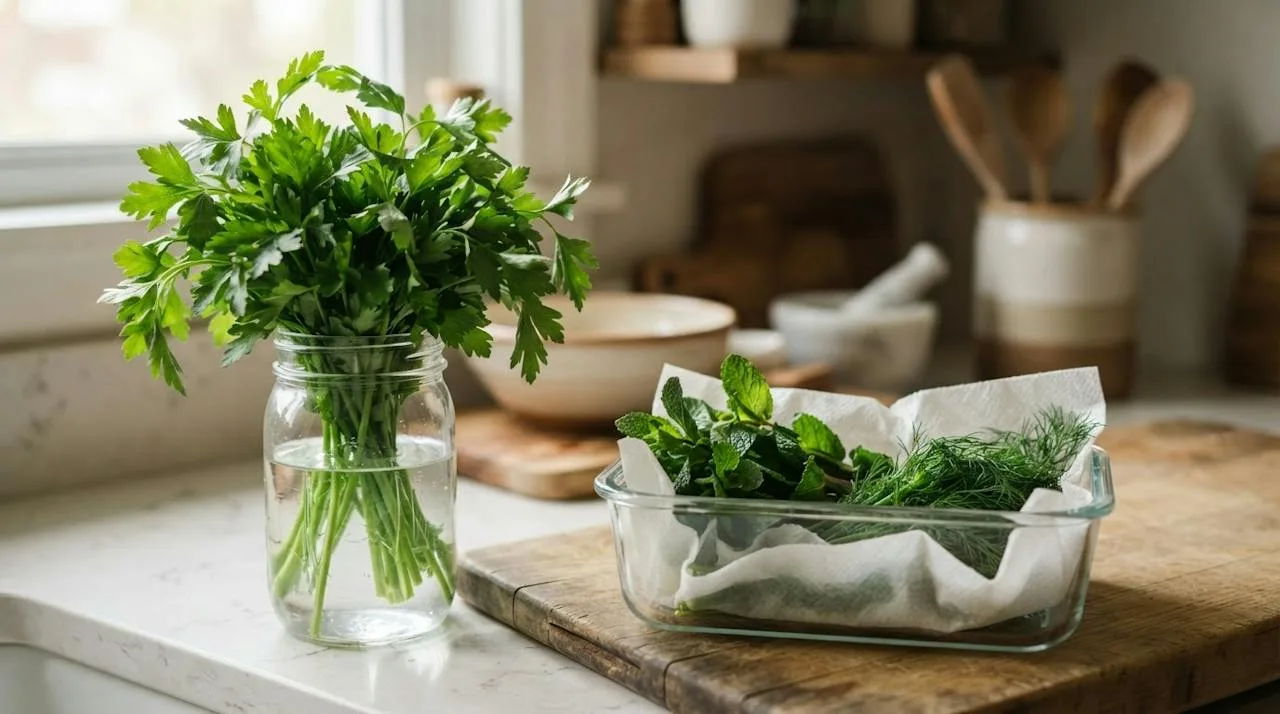
Fresh herbs fall into two camps, and they need different treatment. The European Food Information Council recommends:
- Leafy herbs like parsley, cilantro and dill: stand them upright in a glass of water, like a bouquet, with a plastic bag loosely over the top, in the fridge.
- Woody herbs like rosemary, thyme and sage: wrap them in damp kitchen paper and refrigerate.
- Basil: keep it at room temperature in a glass with about an inch of water, since cold turns it black.
Trim the stems when you bring them home, and change the water every couple of days.
Freezing Herbs
When you have more herbs than you can use, freeze them. Clemson University’s Home and Garden Information Center notes that freezing is an excellent way to preserve the flavor of certain herbs, such as basil, and suggests chopping them and freezing them in ice cube trays filled with water. North Dakota State University Extension recommends the same ice cube tray method.
Frozen herbs lose their crisp texture, so use them in cooked dishes like soups, sauces and stews rather than as a garnish.
Drying Herbs at Home
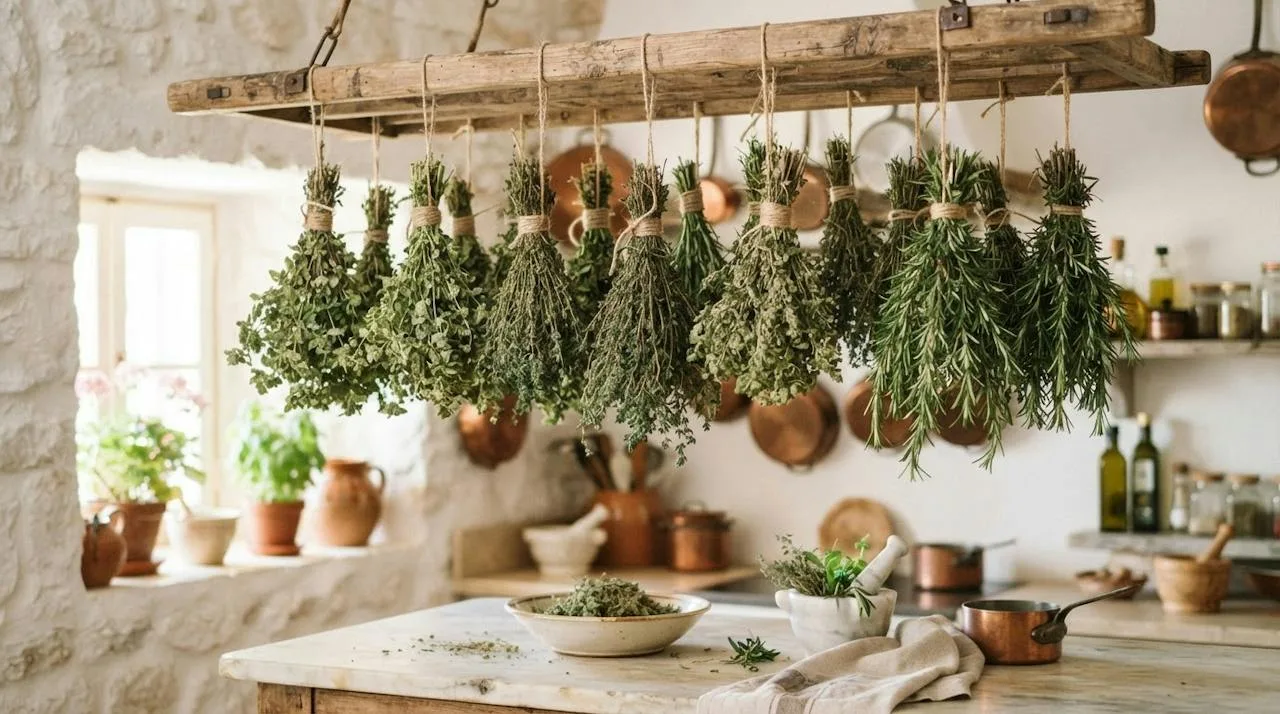
Woody herbs dry beautifully at home. The National Center for Home Food Preservation recommends tying herbs in small bundles and air-drying them, preferably indoors. A food dehydrator should run at 95 to 115°F, or up to 125°F in humid areas.
Once the leaves crumble easily, strip them from the stems and store them whole in airtight jars. Crush them only when you use them, so they keep their flavor longer.
Herb-Infused Oils: A Safety Warning
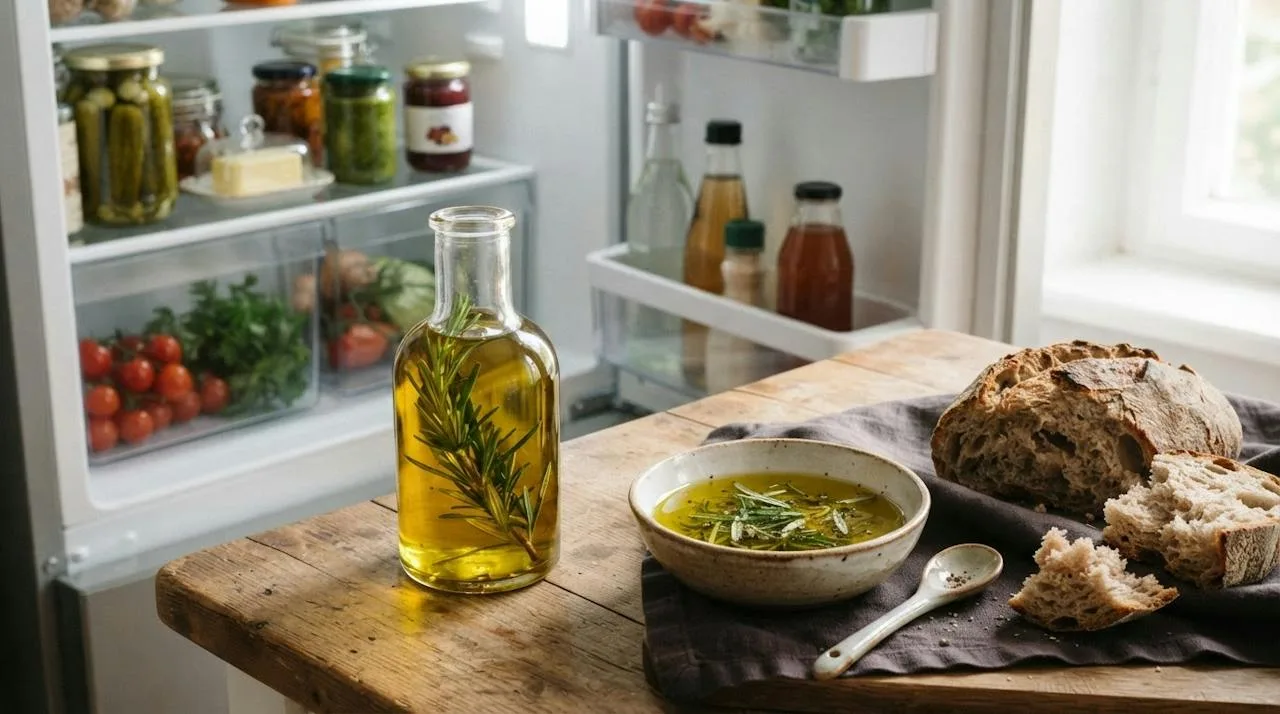
Herb and garlic oils are delicious, but they need care. The CDC advises refrigerating homemade oils made with garlic or herbs and throwing them away after 4 days, because those mixtures can create conditions where botulism bacteria grow.
Common Mistake: Keeping a pretty bottle of homemade rosemary or garlic oil on the counter for weeks. It looks lovely, but it isn’t safe. Make infused oil in small batches, keep it in the fridge, and use it within 4 days.
If you love preserving, my Mediterranean preserving and brining guide covers safe ways to put up olives, lemons and vegetables, and my homemade preserved lemons are a wonderful salty, aromatic partner for herbs and spices.
Growing a Mediterranean Herb Garden
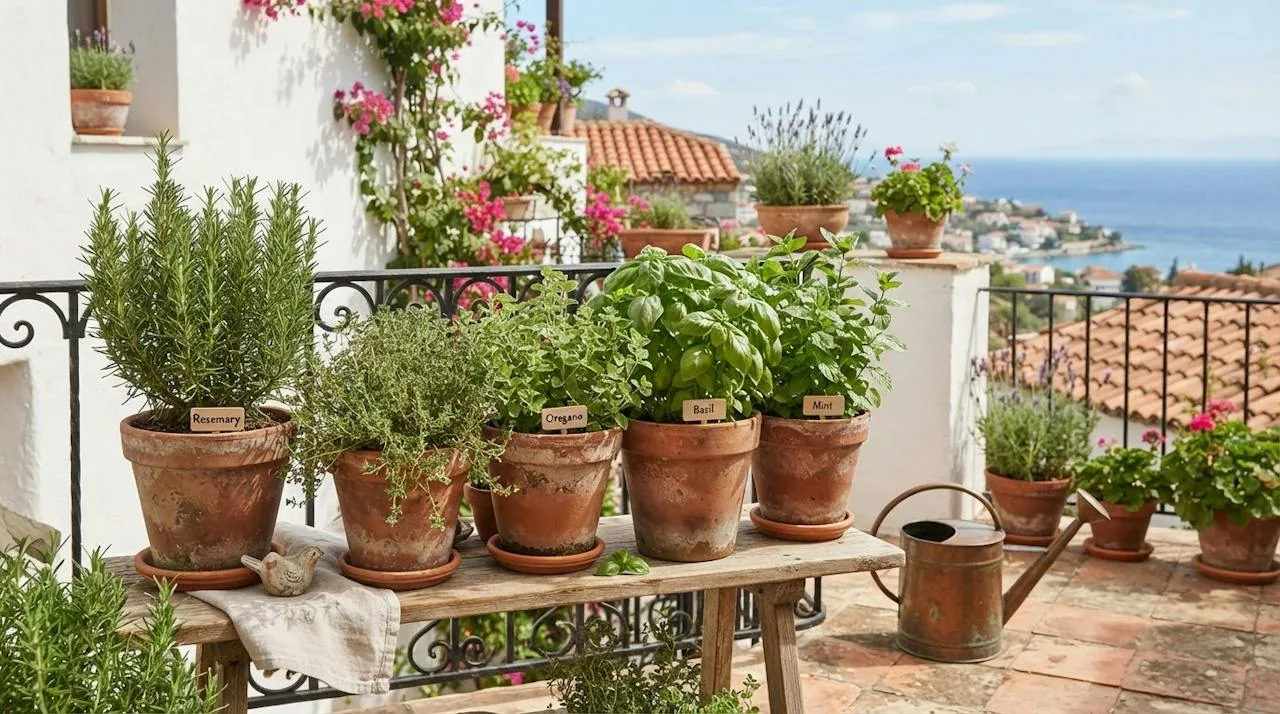
If you have a sunny window, balcony or patch of yard, you can grow the herbs you use most, and they’re some of the easiest plants to keep alive.
According to Clemson University, almost all herbs grow best in a spot that gets at least six hours of sun a day, and Mediterranean herbs need excellent drainage. Raised beds and gravel mulch help.
A few tips for success:
- Rosemary, thyme, oregano and sage like it hot, sunny and on the dry side. Overwatering is what kills them most often.
- Basil loves heat and regular water. Pinch off flower buds to keep it producing leaves.
- Parsley is happy in sun or partial shade.
- Mint spreads aggressively, so always grow it in its own pot.
- Use terracotta pots with drainage holes, which let the soil dry out between waterings.
Putting It All Together: Herbs and Spices in Real Dishes
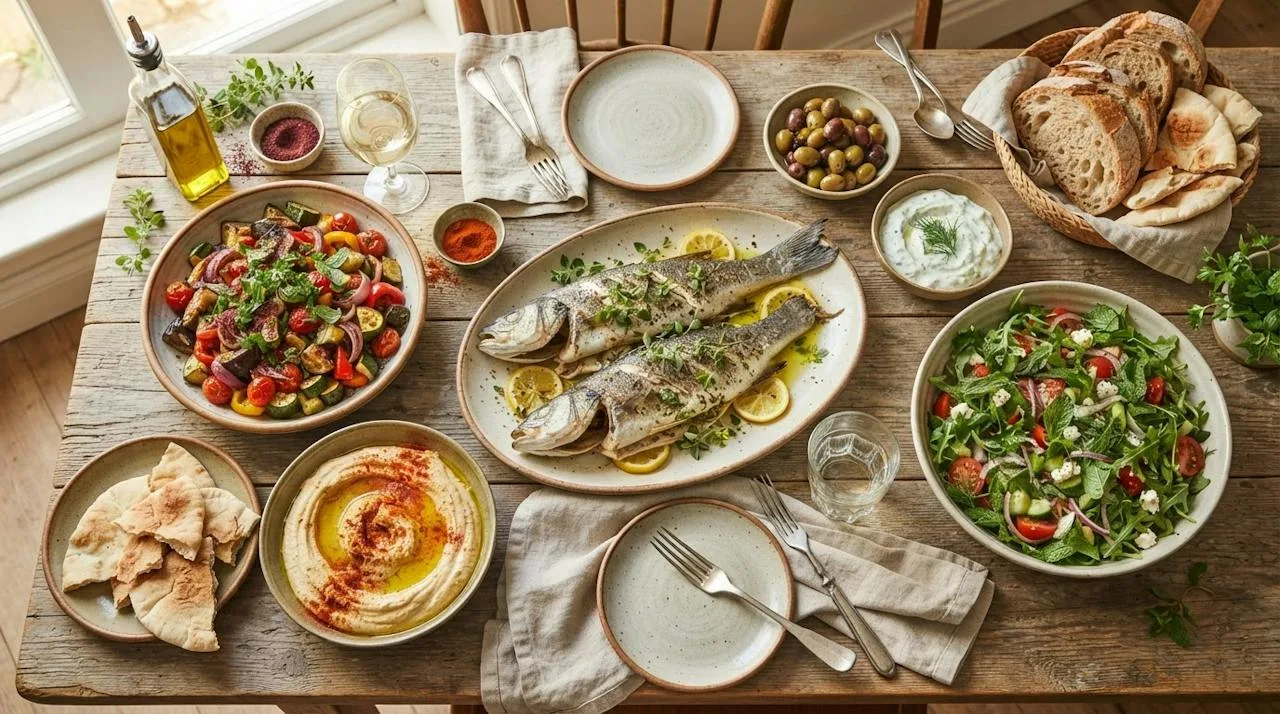
Here’s how to use your new pantry in the kind of food you’ll actually cook this week.
Roasted vegetables. Toss vegetables with olive oil, salt and dried oregano or thyme before roasting, then finish with fresh parsley, sumac or a spoonful of herb sauce. My guide to roasting vegetables the Mediterranean way shows the full method, and my vegetable roasting times and temperatures chart gives you tested times for 14 vegetables.
Beans and chickpeas. Add a bay leaf to the cooking water, bloom cumin and paprika in olive oil for a quick stew, and finish with plenty of parsley or dill.
Grain bowls. Season the grains while warm, sprinkle za’atar or sumac over the top and finish with a green herb sauce.
Fish. Rub fillets with olive oil, dried oregano and lemon zest before roasting or grilling, then finish with fresh herbs.
Eggs. Fried eggs with Aleppo pepper and za’atar are one of the simplest Mediterranean breakfasts there is.
For a full week of meals that puts these flavors to work, see my 7-day Mediterranean diet meal plan.
Reader Story: Daniel from Sacramento, California, started with a single pot of Greek oregano on his apartment balcony. “I put it on everything now,” he wrote. “Roasted potatoes, eggs, beans. It’s the cheapest upgrade I’ve ever made to my cooking.”
Troubleshooting Common Herb and Spice Problems
Most seasoning problems come down to a handful of causes: old spices, wrong timing, too much heat or missing acid. Here’s how to diagnose and fix them.
Food Still Tastes Bland, Even With Lots of Spices
Likely causes: old, faded spices; spices added at the end without blooming; or a dish that’s missing salt or acid.
Fixes:
- Do the freshness test. If it doesn’t smell strongly, replace it.
- Bloom ground spices in olive oil at the start, instead of stirring them in at the end.
- Taste and adjust salt in small pinches.
- Add acid: lemon juice, vinegar or sumac often makes flavors pop.
Spices Taste Bitter or Burnt
Likely causes: the oil was too hot, spices were cooked too long, or delicate spices like paprika hit an empty, hot pan.
Fixes:
- Bloom spices over medium heat for only 30 to 60 seconds.
- Add the next ingredient quickly to cool the pan.
- If spices smell acrid, start over. Bitterness spreads through the whole dish and can’t be cooked out.
Fresh Herbs Wilt, Turn Black or Go Slimy
Likely causes: stored wet, stored in the wrong way for the herb type, or basil kept in the fridge.
Fixes:
- Dry herbs thoroughly after washing.
- Store leafy herbs upright in water, and wrap woody herbs in damp paper.
- Keep basil out of the fridge.
- Freeze or dry herbs you won’t use within a few days.
The Dish Is Overpowered by One Herb or Spice
Likely causes: too much of a strong herb like rosemary, or dried herbs used at a 1:1 ratio instead of 1:3.
Fixes:
- Dilute it: add more of the base ingredients, such as tomatoes, beans or broth.
- Balance it with fat (olive oil, yogurt) and acid (lemon).
- Next time, use the 3-to-1 fresh-to-dried rule and add strong herbs gradually.
Troubleshooting Flowchart:
- Bland food → old spices or no blooming → replace spices, bloom in oil, add acid
- Bitter food → spices scorched → lower the heat, shorten blooming, start over if acrid
- Weak dried herbs → stored near heat or too old → store in a dark drawer, replace yearly
- Slimy fresh herbs → stored wet or wrong method → dry well, store by herb type
- One flavor dominates → too much strong herb → dilute, balance with fat and acid
Your Journey to Herb and Spice Mastery
The Mediterranean Pantry Advantage: 5 Key Takeaways
- A short list beats a long one. A dozen well-chosen herbs and spices cover most Mediterranean cooking.
- Fresh vs. dried depends on the herb. Use woody herbs dried or early in cooking; use tender herbs fresh and late.
- Technique multiplies flavor. Toast whole spices, grind them fresh and bloom them in olive oil.
- Storage is everything. Keep spices cool, dark and airtight, and replace ground spices about once a year.
- Herbs and spices help you use less salt. Reach for herbs, spices and acid before the salt shaker.
Your 30-Day Herb and Spice Journey
Week 1: Clean Out and Restock. Do the freshness test on every jar. Throw out anything faded or flavorless, move your spices away from the stove, and buy fresh Greek oregano, cumin, smoked paprika, sumac and a few whole spices.
Week 2: Master the Techniques. Toast and grind cumin and coriander for a pot of chickpeas or lentils. Bloom paprika and cumin in olive oil for a stew. Notice the difference in flavor.
Week 3: Make the Blends. Mix your own za’atar and use it on flatbread, eggs and roasted vegetables. Try ras el hanout on roasted carrots and baharat with lentils and rice.
Week 4: Go Fresh. Buy bunches of parsley, mint and dill and store them properly. Make tabbouleh and a green herb sauce. Plant one pot of a woody herb you use often.
Frequently Asked Questions
Why do my dishes still taste bland when I use plenty of dried herbs?
The most common reason is that the herbs are old. Ground spices and dried herbs keep their best quality for about a year, and much less if they’re stored near the stove or in sunlight. Crush a pinch between your fingers: if you can’t smell it right away, it won’t flavor your food. The second reason is timing. Dried herbs need a little time in liquid or oil to release their flavor, so add them during cooking rather than sprinkling them on at the end. Finally, bland food is often missing salt or acid rather than more herbs. Taste, then add a small pinch of salt or a squeeze of lemon and taste again. You’ll often find that the herbs were there all along; they just needed balance to come through clearly.
Can I substitute dried herbs for fresh?
Yes, for most woody herbs, and the standard rule is 1 teaspoon of dried for every tablespoon of fresh, because dried herbs are about three times as concentrated. Oregano, thyme, rosemary and sage all dry well and work in cooked dishes like stews, sauces, beans and roasts. Tender herbs are a different story. Dried parsley, basil and cilantro lose most of their flavor, so they’re poor substitutes in dishes where those herbs are the star, like pesto, tabbouleh or green herb sauces. When substituting, add dried herbs earlier in cooking so they have time to rehydrate, and taste as you go. An older jar of dried herbs may need a bit more than the standard ratio to get the same effect.
How long do spices last?
As a rule of thumb, ground spices and dried herbs keep their best quality for about a year, and whole spices for about two years, according to Oklahoma State University Extension. That doesn’t mean they become unsafe after that; they simply lose flavor and color over time. Storage makes a big difference. Spices kept in airtight containers in a cool, dark cupboard or drawer last far longer than those in a rack beside the stove or in a sunny window. Rather than relying only on dates, check your spices with your senses. Look for faded color, crush a pinch to check the aroma and replace anything that smells weak. Writing the purchase date on each new jar makes it easy to keep track.
What’s the minimum set of herbs and spices I need for Mediterranean cooking?
You can cook a huge range of Mediterranean food with about ten items. For dried herbs and spices, start with Greek oregano, thyme, cumin, smoked paprika, sumac, red pepper or Aleppo pepper flakes, cinnamon, bay leaves and whole black peppercorns. For fresh herbs, keep flat-leaf parsley on hand, and add mint, dill or basil depending on what you’re cooking that week. With those, you can make Greek salads, Spanish stews, Levantine salads, bean dishes, roasted vegetables and grain bowls. Once you’re comfortable, add whole cumin and coriander seeds for toasting, saffron for special rice dishes and a homemade za’atar blend. Buying a short list and using it often keeps everything fresh.
Is it possible to grow Mediterranean herbs indoors?
Yes, as long as you can give them plenty of light. Mediterranean herbs like rosemary, thyme, oregano and sage are sun lovers, and Clemson University notes that most herbs grow best with at least six hours of sun a day. A bright, south-facing window is the best spot indoors. If you don’t have one, a small grow light makes a big difference. Use terracotta pots with drainage holes and well-drained potting mix, and let the soil dry out between waterings, since soggy soil is what kills these herbs most often. Basil and parsley are also good indoor choices. Keep mint in its own pot, because it spreads quickly and will crowd out anything it shares a container with.
How do I keep fresh herbs from going bad so fast?
Treat leafy and woody herbs differently. Stand leafy herbs like parsley, cilantro and dill upright in a glass of water, like a bouquet, cover loosely with a plastic bag and keep them in the fridge, changing the water every couple of days. Wrap woody herbs like rosemary, thyme and sage in a damp paper towel and refrigerate them. Basil is the exception: keep it at room temperature in a glass of water, since cold temperatures turn its leaves black. Always dry herbs well after washing, because extra moisture makes them slimy. If you know you won’t use a bunch in time, chop it and freeze it in ice cube trays with water, or dry woody herbs in small bundles for later.
Can I substitute Mexican oregano for Greek oregano?
You can in a pinch, but expect a different flavor. Despite the shared name, they come from different plants. Greek oregano is a Mediterranean subspecies of Origanum vulgare, while Mexican oregano is Lippia graveolens, a plant native to the Americas from a different botanical family. Greek oregano tastes sharp, warm and slightly peppery, while Mexican oregano is more citrusy and grassy. In Mediterranean dishes like Greek salad, roasted potatoes, souvlaki and tomato sauces, Greek oregano gives the classic flavor. If Mexican oregano is all you have, start with a little less than the recipe calls for and taste as you go. For the most authentic results, look for Greek oregano sold on the stem at Greek or Middle Eastern grocers.
Why does my paprika taste bitter?
Paprika is high in natural sugars and burns very quickly, especially when it hits a hot, empty pan of oil. Within seconds, it can turn from sweet and smoky to bitter and acrid. To avoid this, bloom paprika over medium heat for no more than 30 to 60 seconds, or add it together with onions, tomatoes or another ingredient so it never sits alone in hot oil. Old paprika can also taste dull or slightly bitter, since it loses its bright flavor and color over time. If your paprika looks brownish rather than bright red, replace it. If a dish has already turned bitter from burnt paprika, it’s usually best to start the spice base again, since the bitterness carries through everything.
How do I know when whole spices are toasted enough?
Use your nose first and your eyes second. Toast whole spices in a dry skillet over low to medium-low heat, shaking the pan often. Within 1 to 3 minutes, they’ll darken slightly and release a strong, warm aroma that fills the kitchen. That’s the moment to take them off the heat and tip them onto a plate, because they’ll keep cooking in the hot pan. Seeds like cumin and coriander may also start to pop or jump a little. If you see smoke or smell anything sharp or acrid, they’ve gone too far and will taste bitter, so it’s better to start again with a fresh batch. Let toasted spices cool for a minute before grinding.
What’s the best way to start cooking with more herbs and spices?
Start by cleaning out your cabinet. Smell every jar, throw away anything faded and move your spices away from the stove. Then buy a short list of fresh essentials: Greek oregano, cumin, smoked paprika, sumac and a bunch of flat-leaf parsley. Pick one technique to practice each week, such as blooming spices in olive oil, toasting and grinding whole seeds or finishing dishes with fresh herbs and lemon. Make one homemade blend, like za’atar, and use it on everything from eggs to roasted vegetables. Most importantly, taste as you cook. Seasoning is a skill you build by paying attention, and within a month, you’ll find yourself reaching for herbs and spices instead of salt.
Professional Tips for Advanced Success
Overnight Technique: Mix dried oregano, thyme or za’atar into olive oil and lemon juice the night before you grill or roast. Overnight in the fridge, the dried herbs rehydrate and flavor the marinade far more deeply than a last-minute mix.
Science Tip: Many of the aromatic compounds in spices dissolve better in fat than in water. That’s why blooming spices in olive oil gives deeper flavor than stirring them into a pot of simmering liquid.
Advanced Technique: Use the same herb in two forms. Add dried oregano to a tomato sauce while it simmers, then scatter fresh oregano or parsley over the top just before serving. You get both depth and brightness.
Ratio Tip: Remember 3-to-1: three parts fresh herb to one part dried. One tablespoon of fresh chopped herbs equals about one teaspoon of dried.
Mediterranean Secret: Finish with a “flavor trio” right before serving: a drizzle of good olive oil, a squeeze of lemon and a handful of fresh herbs. It wakes up almost any Mediterranean dish.
Take Action: Build Your Mediterranean Pantry Today
If you’re a beginner: Start with the basics in my Mediterranean diet shopping list, and restock just five spices and one bunch of fresh parsley this week.
If you’re an intermediate cook: Practice blooming spices with a pot of beans from my guide to cooking dried chickpeas, then finish the dish with fresh herbs and lemon.
If you’re ready for a challenge: Make your own za’atar and a green herb sauce, and use them across a week of meals from my 7-day Mediterranean diet meal plan.
Track Your Progress
- Write the purchase date on every new spice jar.
- Keep a short list of the herbs and spices you reach for most, and restock those first.
- Note which dishes improved when you bloomed or toasted spices.
- Track how often you reach for herbs and acid before adding extra salt.
Continue Learning
- How to cook with olive oil like a Mediterranean: the complete guide
- Roasting vegetables the Mediterranean way: the complete guide
- Mediterranean grain bowls: grains, legumes and dressings
I still think about that pinch of oregano at the market stall, and how one small smell changed the way I cook. My spice drawer is smaller now, but every jar in it earns its place, and the food tastes more like the Mediterranean than it ever did when I had 40 jars of dust. Start with a few good herbs and spices, use them generously, and tell me in the comments which one changed your cooking first.
With a pinch of oregano and a full spice drawer, Nevaeh Hall


