

Mediterranean Grain Bowls: The Complete Guide to Grains, Legumes & Dressings
The lunch that changed everything for me was a bowl I threw together from leftovers: a scoop of chewy farro, some roasted eggplant from the night before, a handful of chickpeas, a few olives, and a spoonful of lemony tahini. I took one bite and realized I had just made something better than any salad I’d ever paid $16 for.
That bowl hit two of the biggest gaps in the American diet at once. According to the Dietary Guidelines for Americans, 98% of Americans fall below recommendations for whole grains. And Harvard’s Nutrition Source notes that while adults need at least 25 to 35 grams of fiber a day, most Americans get only about 15.
For years, my homemade grain bowls were a mess. Mushy, waterlogged grains. Beans straight from the can with that tinny taste. Dressing that soaked everything into a soggy pile by noon. I once added up a month of “healthy” takeout bowls I bought because mine were so disappointing, and it came to more than $250.
If you’ve been building bowls by dumping random ingredients on top of plain rice and hoping for the best, you’re missing what makes a Mediterranean bowl so satisfying. If this way of eating is new to you, my guide to the Mediterranean diet for beginners explains why whole grains and beans sit at its foundation.
Here’s what I learned: a great grain bowl isn’t a recipe; it’s a formula. Perfectly cooked grains, well-seasoned legumes, something roasted, something fresh, something briny, and a dressing that ties it all together. Get each layer right, and you can build hundreds of bowls from the same simple pantry. In this guide, I’ll show you how to cook every major Mediterranean grain and legume, make five essential dressings, build bowls that stay fresh all week, and fix every common problem.
Why Grain Bowls Belong at the Center of the Mediterranean Table
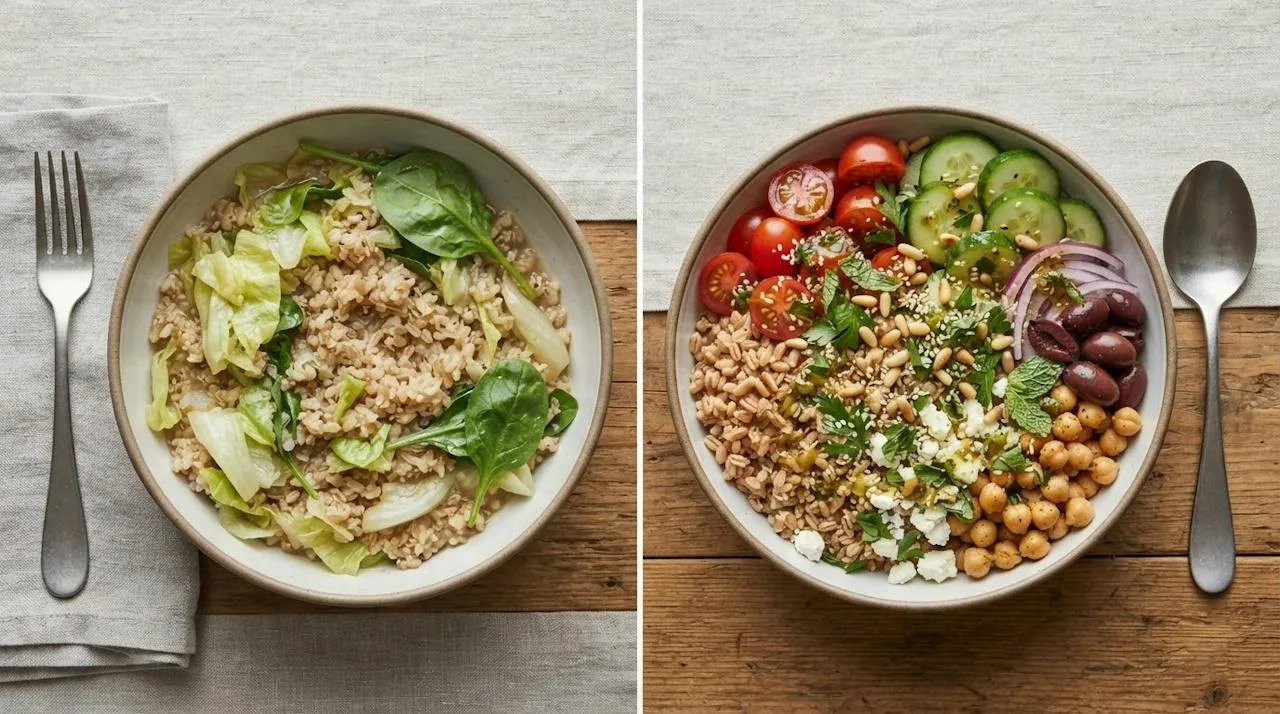
The grain bowl may feel like a modern trend, but it’s built on some of the oldest foods in the Mediterranean.
An Ancient Pattern in a Modern Bowl
Long before anyone called it a “bowl,” Mediterranean families were eating grains and legumes together with vegetables and olive oil. Tabbouleh, mujadara, Greek bean salads, Italian farro soups, and Moroccan couscous are all variations on the same theme.
When UNESCO recognized the Mediterranean diet as part of the Intangible Cultural Heritage of Humanity, it highlighted this way of eating: seasonal, local, largely plant-based, and shared. The Oldways Mediterranean Diet Pyramid, created with the Harvard School of Public Health and the World Health Organization, places whole grains, beans, vegetables, herbs, and olive oil at its base, to be eaten at every meal.
A grain bowl is simply that base, assembled in one dish.
The Nutrition Behind the Bowl
Whole grains. According to the Harvard T.H. Chan School of Public Health, whole grains keep all three parts of the kernel: the fiber-rich bran, the nutrient-dense germ, and the starchy endosperm. Refined grains lose the bran and germ during milling. Harvard reports that eating two to three servings of whole grains a day has been linked to a lower risk of heart disease. USDA MyPlate recommends making at least half of the grains you eat whole grains.
Legumes. Harvard’s Nutrition Source describes legumes as an inexpensive source of protein, vitamins, complex carbohydrates, and fiber, along with folate, iron, and phosphorus. It notes that the U.S. Dietary Guidelines suggest about 3 cups of legumes a week, and that eating legumes around four times a week has been linked to a lower risk of coronary artery disease.
The whole pattern. The PREDIMED trial, published in the New England Journal of Medicine, found that adults at high cardiovascular risk who followed a Mediterranean diet supplemented with extra virgin olive oil or nuts had fewer major cardiovascular events than those on a reduced-fat diet. The American Heart Association and the Mayo Clinic both describe this way of eating as heart-healthy.
Note: This guide is for general cooking education, not medical advice. If you have a health condition or follow a prescribed diet, talk with your doctor or a registered dietitian.
Good for Your Budget and the Planet
Legumes are among the cheapest proteins you can buy, and they’re good for the land, too. The Food and Agriculture Organization of the United Nations explains that pulses (the edible seeds of legumes, like beans, lentils, and chickpeas) fix nitrogen from the air into the soil, improving soil fertility and reducing the need for chemical fertilizers. They also have a long shelf life, which helps reduce food waste.
Mediterranean Secret: Think of a grain bowl as a “clean out the fridge” meal. Half a roasted pepper, a few olives, a spoonful of leftover lentils: in a bowl, small leftovers become a complete lunch.
The Grain Bowl Formula
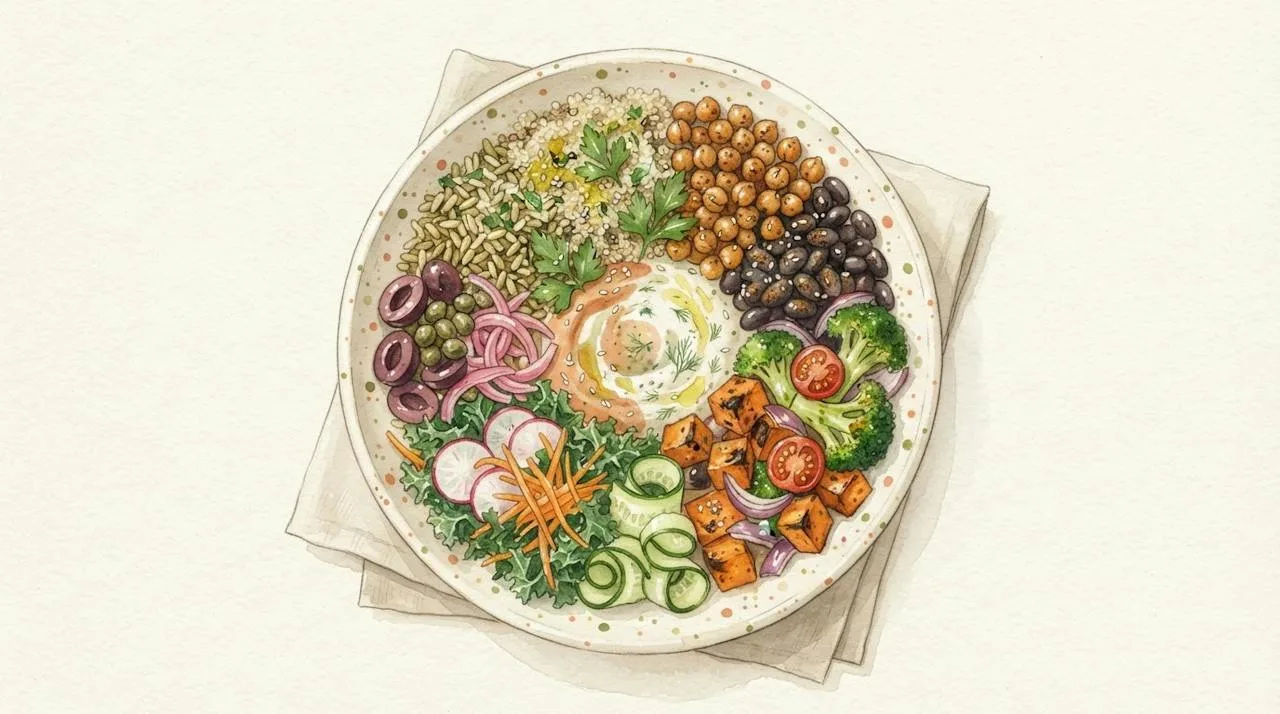
Every great bowl I make follows the same six-part formula. Once you know it, you’ll never need a recipe again.
- A base of whole grains (about ¾ to 1 cup cooked): farro, bulgur, freekeh, brown rice, barley, or couscous.
- A legume or protein (about ½ to ¾ cup): chickpeas, lentils, white beans, or, occasionally, fish, chicken, or eggs.
- Something roasted: eggplant, peppers, zucchini, cauliflower, carrots, or squash.
- Something fresh and crunchy: cucumber, tomato, radishes, red onion, greens, or fresh herbs.
- Something briny or bold: olives, capers, pickled vegetables, preserved lemon, or feta.
- A dressing or sauce: lemon tahini, garlicky yogurt, olive oil vinaigrette, or a green herb sauce.
Then finish with texture: toasted nuts or seeds, crispy chickpeas, or a sprinkle of za’atar.
The magic is in the contrast. Chewy grains, creamy legumes, soft roasted vegetables, crisp raw ones, salty olives, and a bright, tangy sauce. When every bite has something soft, something crunchy, something rich, and something sharp, you never get bored.
Common Mistake: Building bowls with only soft ingredients. Grains, beans, and roasted vegetables are all tender, so without something fresh, crunchy, and acidic, the bowl tastes flat and heavy. Always add a raw element and a squeeze of lemon.
How to Cook Mediterranean Grains Perfectly
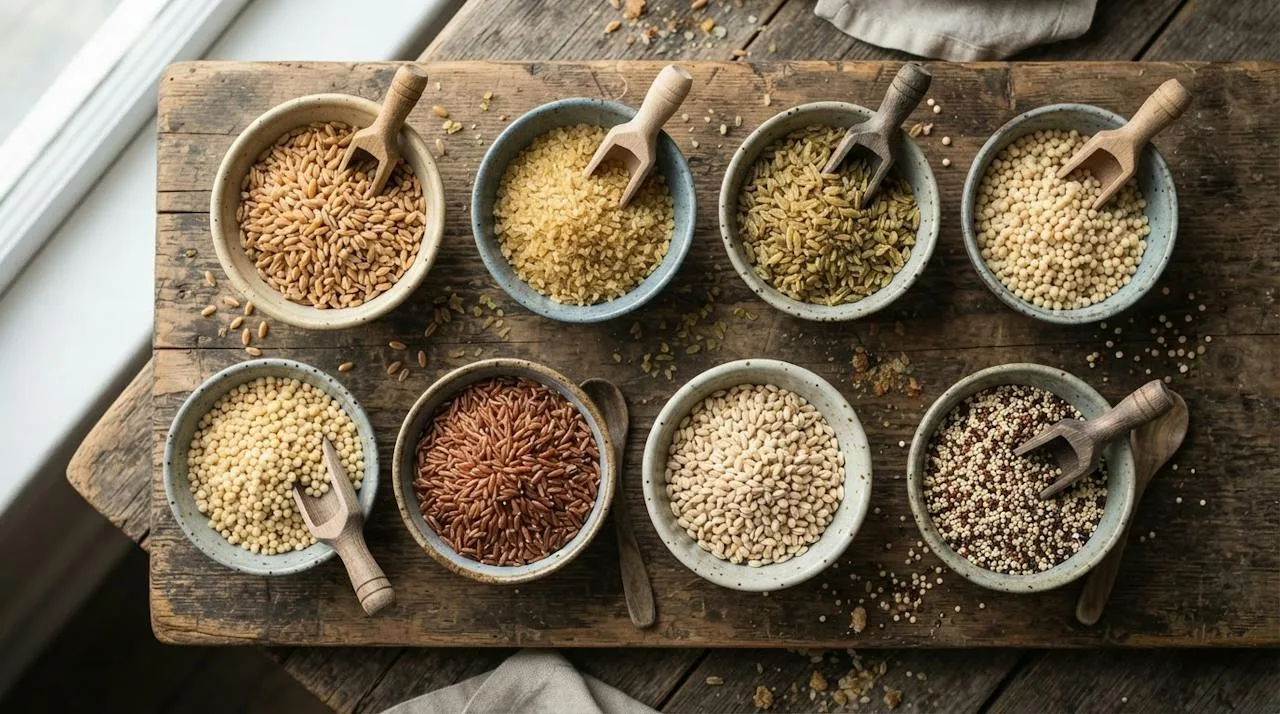
Mushy grains ruin more bowls than anything else, and the fix is surprisingly simple.
Two Cooking Methods to Know
The absorption method uses a measured amount of water that the grain absorbs completely. It works well for bulgur, couscous, rice, and quinoa.
The pasta method means boiling grains in a large pot of generously salted water, then draining them like pasta. It’s my favorite for farro, barley, and wheat berries because it’s nearly foolproof: the grains cook evenly, never stick, and stay separate and chewy. You just taste and drain when they’re done.
Whichever method you use, salt the cooking water. Grains cooked in plain water taste bland no matter how much dressing you add later.
Farro
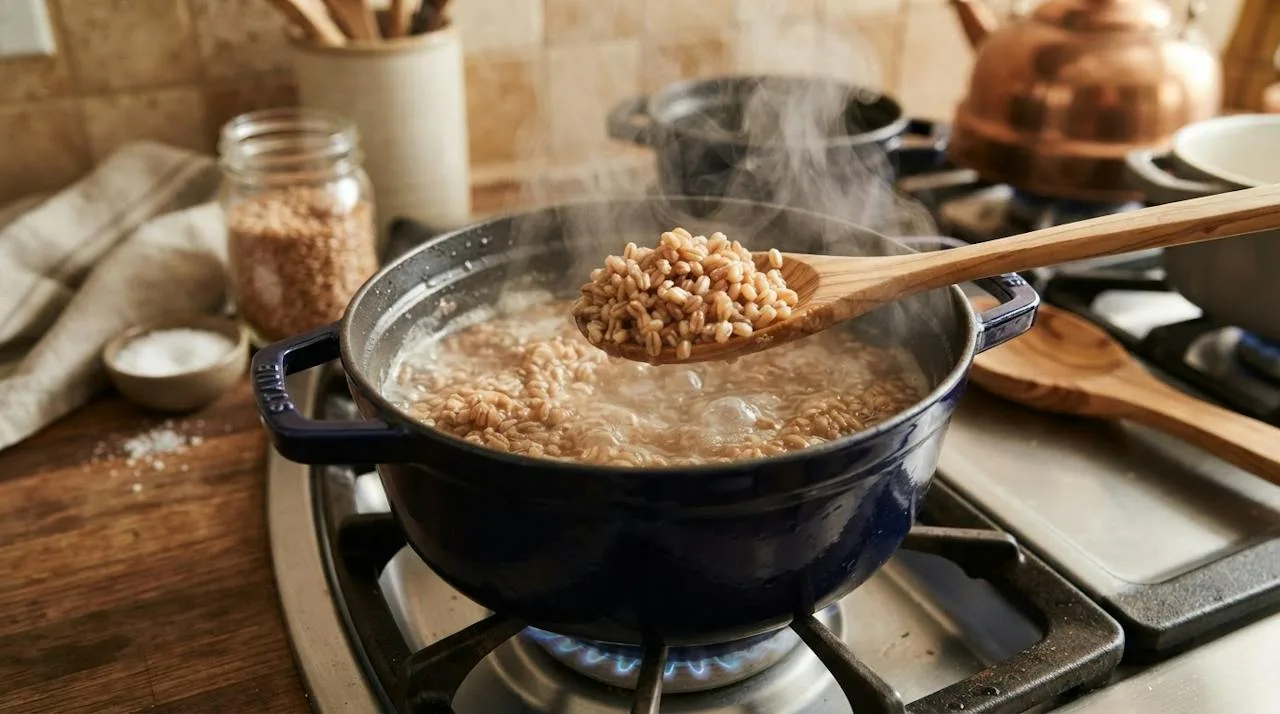
Farro is an ancient wheat grain with a nutty flavor and satisfying chew, and it’s the backbone of my favorite bowls. Most farro sold in American stores is semi-pearled, meaning some of the bran has been removed so it cooks faster.
- Method: Pasta method in plenty of salted water.
- Time: About 20 to 30 minutes for semi-pearled farro; longer for whole farro, which benefits from an overnight soak.
- Done when: The grains are tender with a pleasant chew, and some have split open.
Bulgur
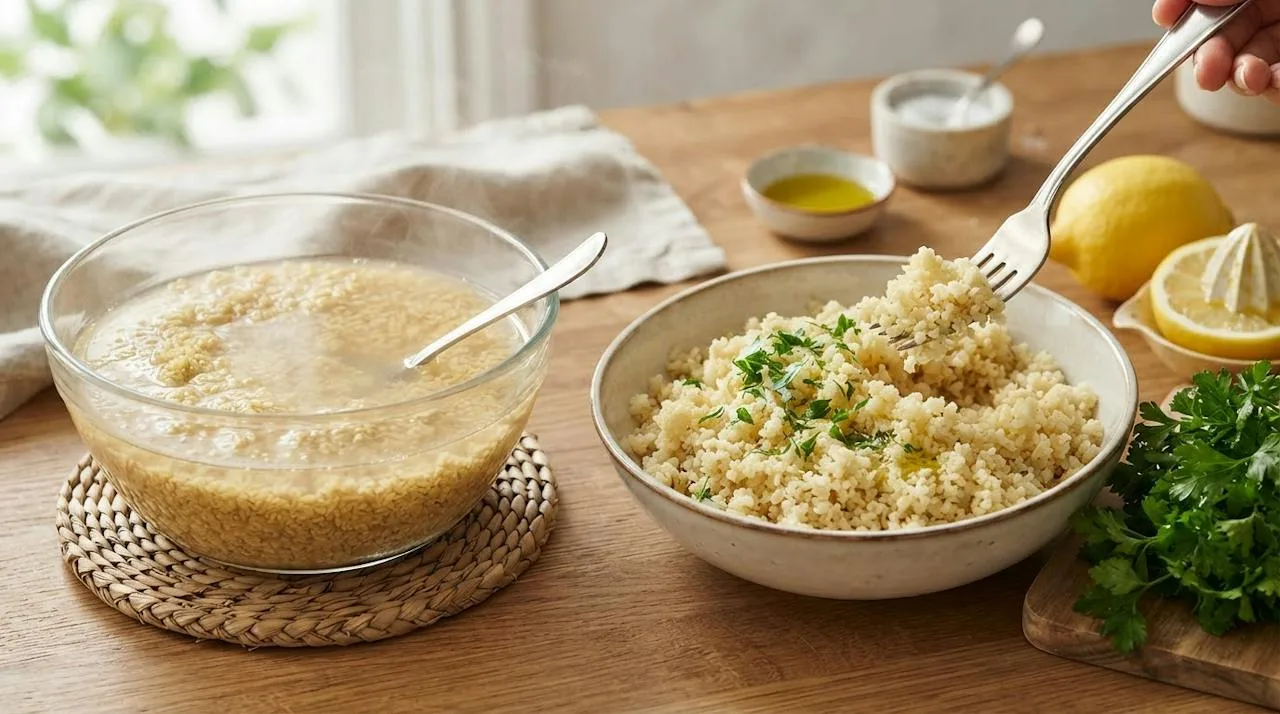
Bulgur is wheat that has been parboiled, dried, and cracked, which makes it one of the fastest whole grains to prepare. It’s the grain in tabbouleh.
- Fine bulgur: Pour boiling water over it (about 1 part bulgur to 1 to 1½ parts water), cover, and let it sit for 10 to 15 minutes until tender. No stove needed.
- Coarse bulgur: Simmer gently in about 2 parts water for around 15 minutes, then rest covered for 5 minutes.
- Done when: Tender but still slightly chewy, with no liquid left.
Freekeh
Freekeh is wheat harvested while young and green, then roasted, which gives it a smoky, toasty flavor. Cracked freekeh simmers in about 2½ parts water for roughly 20 minutes; whole freekeh takes longer. It’s fantastic with roasted vegetables and herbs.
Pearl Couscous, Barley, and Rice
- Pearl couscous: Toast in a little olive oil until golden, then simmer in about 1¼ parts water for 8 to 10 minutes. Technically a tiny pasta, but a beloved bowl base.
- Pearl barley: Pasta method, about 30 to 40 minutes, until chewy and tender.
- Brown rice: About 2 parts water, simmered covered for 40 to 45 minutes, then rested 10 minutes off the heat.
Mediterranean Secret: Dress grains while they’re still warm. Toss hot farro or bulgur with a splash of olive oil, lemon juice, and salt right after draining. Warm grains absorb flavor deeply, so they taste seasoned all the way through instead of just coated.
Cooling and Storing Grains Safely
Spread cooked grains on a sheet pan to cool quickly, then refrigerate them in shallow containers. The USDA’s leftovers and food safety guidance recommends refrigerating leftovers within 2 hours and using them within 3 to 4 days. Cooked grains also freeze well for a few months; freeze them flat in bags so you can break off a portion.
How to Cook Legumes for Grain Bowls
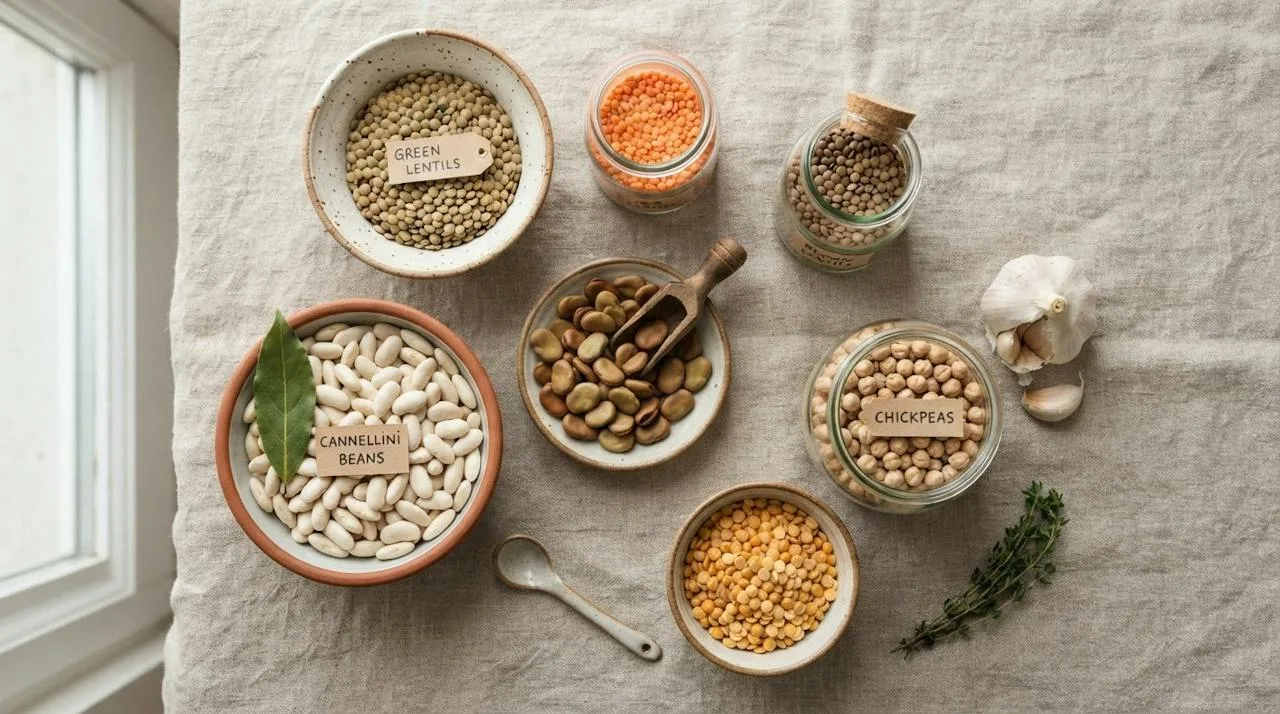
Here’s where most homemade bowls lose their soul: bland, tinny beans dumped straight from the can. A few minutes of seasoning changes everything.
Canned vs. Dried
Canned beans are perfectly fine and enormously convenient. Rinse them well to remove the starchy, salty canning liquid, then give them flavor: warm them in olive oil with garlic, cumin, or paprika, or toss them with lemon, herbs, and salt and let them sit for 10 minutes.
Dried beans are cheaper and creamier, and they let you control the salt. One cup of dried beans makes roughly two and a half to three cups cooked, enough for several bowls.
Chickpeas
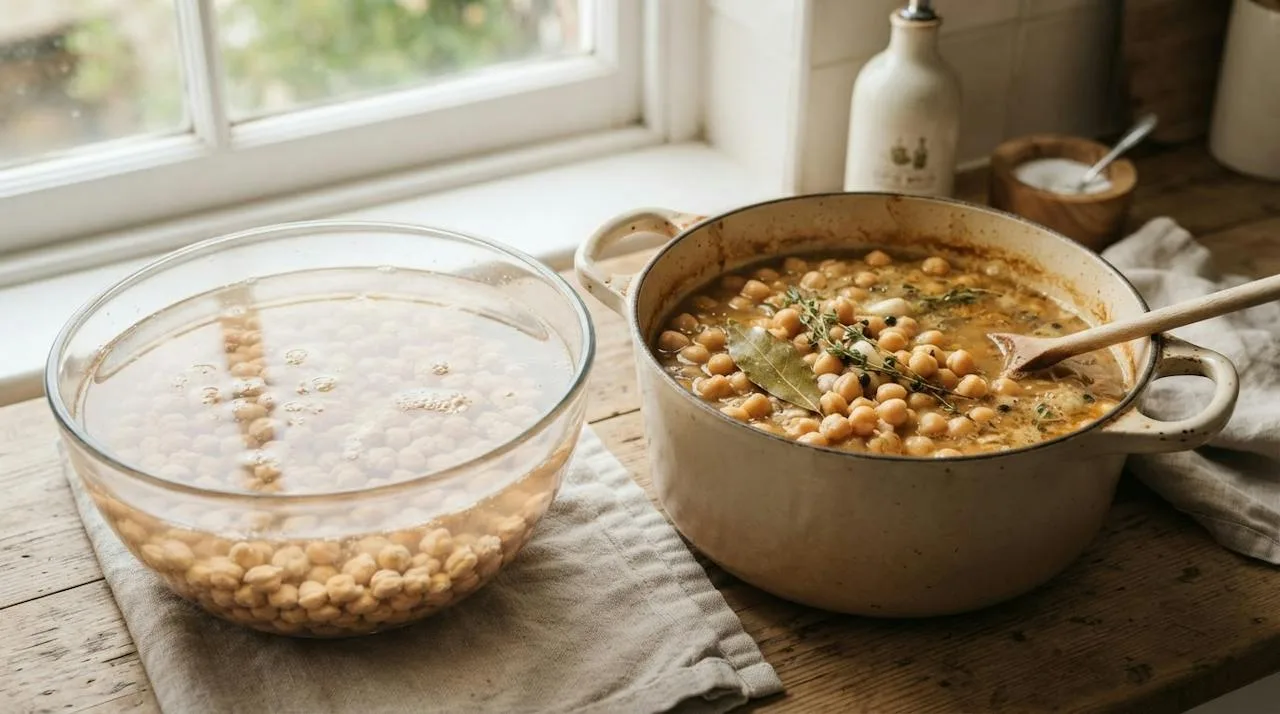
- Soak dried chickpeas overnight in plenty of cold water. Harvard’s Nutrition Source notes that soaking dried beans for at least a few hours before cooking may help reduce gas and bloating.
- Drain and rinse, then cover with fresh water by a couple of inches.
- Add aromatics: a bay leaf, a smashed garlic clove, half an onion.
- Simmer gently for about 1 to 1½ hours, salting in the last half hour, until creamy all the way through. Older chickpeas can take longer.
- Cool them in their cooking liquid so they stay plump and don’t dry out.
Lentils
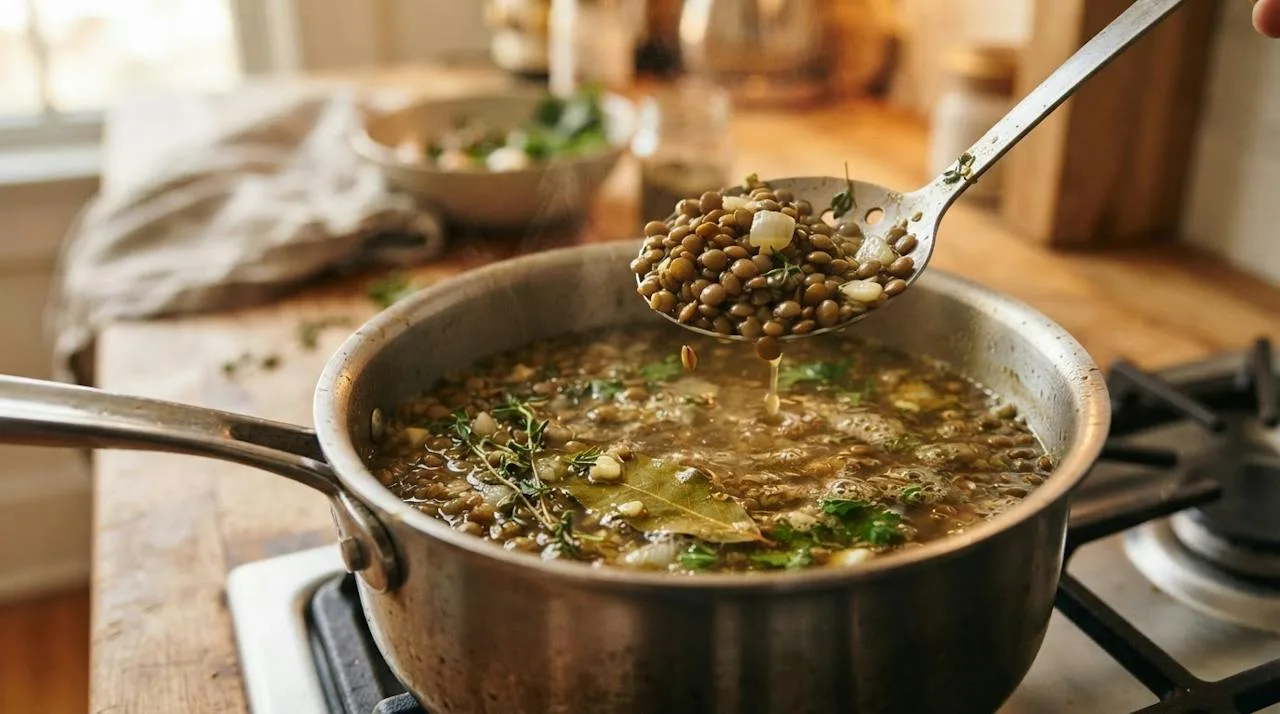
Lentils are the fastest legume and need no soaking.
- Green and brown lentils: Simmer gently in plenty of water for about 20 to 30 minutes, until tender but still holding their shape. Drain and dress while warm. These are ideal for bowls.
- French green (Puy) lentils: Hold their shape best; about 25 to 30 minutes.
- Red lentils: Cook in about 15 to 20 minutes and collapse into a purée. Wonderful for soups and dals, but too soft for most bowls.
Keep the simmer gentle. A hard boil splits lentils and turns them mushy.
White Beans and a Crucial Safety Note
Cannellini, butter beans, and giant Greek gigantes beans are creamy and luxurious in bowls. Soak them overnight and simmer for roughly 1 to 1½ hours.
If you ever cook dried red kidney beans, take one precaution seriously. University of Illinois Extension explains that undercooked kidney beans contain high levels of a lectin called phytohaemagglutinin, which is destroyed only when the beans are cooked at 212°F (boiling) for at least 10 minutes. Slow cookers often don’t get hot enough. Ohio State University’s Chow Line recommends soaking dry kidney beans for at least five hours, then boiling them in fresh water for at least 30 minutes before using them in a slow cooker. Canned kidney beans are already cooked and safe to use as they are.
Common Mistake: Adding dried beans straight to a slow cooker. Always boil dried beans first, especially red kidney beans, before slow cooking.
Crispy Roasted Chickpeas
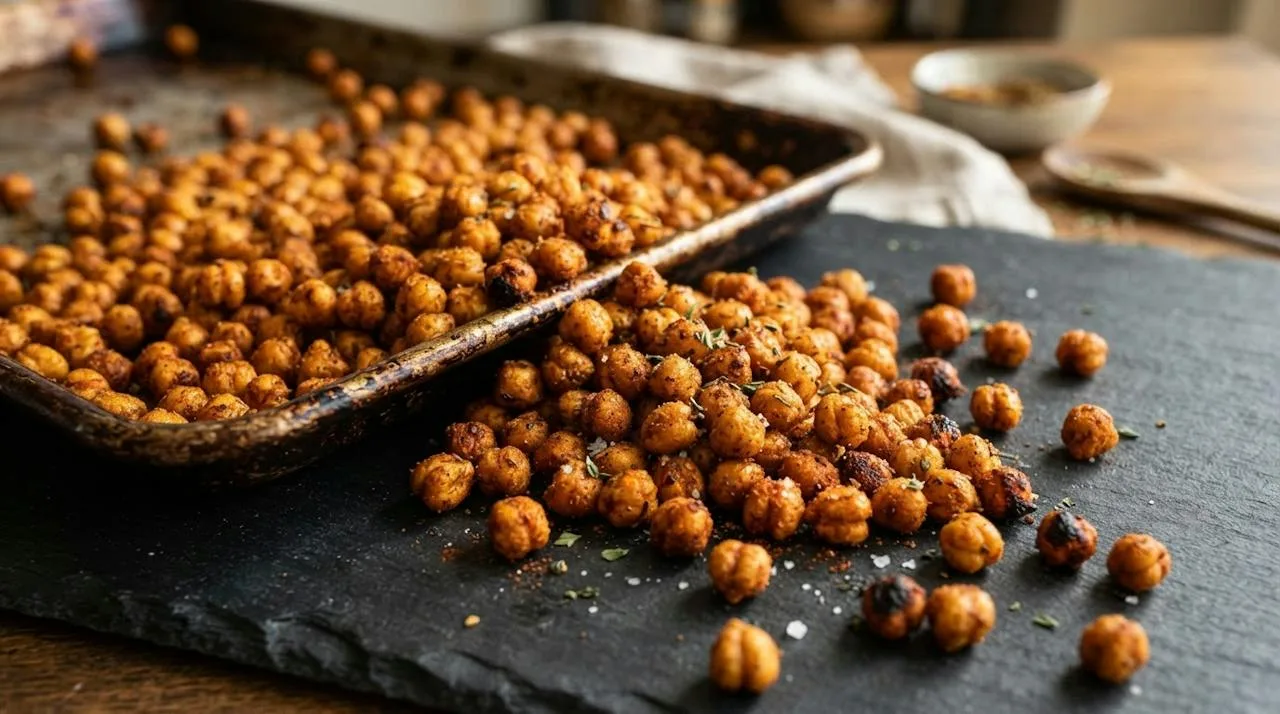
For crunch, drain and dry chickpeas very well, toss with olive oil, salt, and spices, and roast at 425°F (220°C) for about 25 to 35 minutes, shaking the pan once or twice, until golden and crisp. They’re best the day they’re made; they soften as they sit.
Five Essential Mediterranean Bowl Dressings
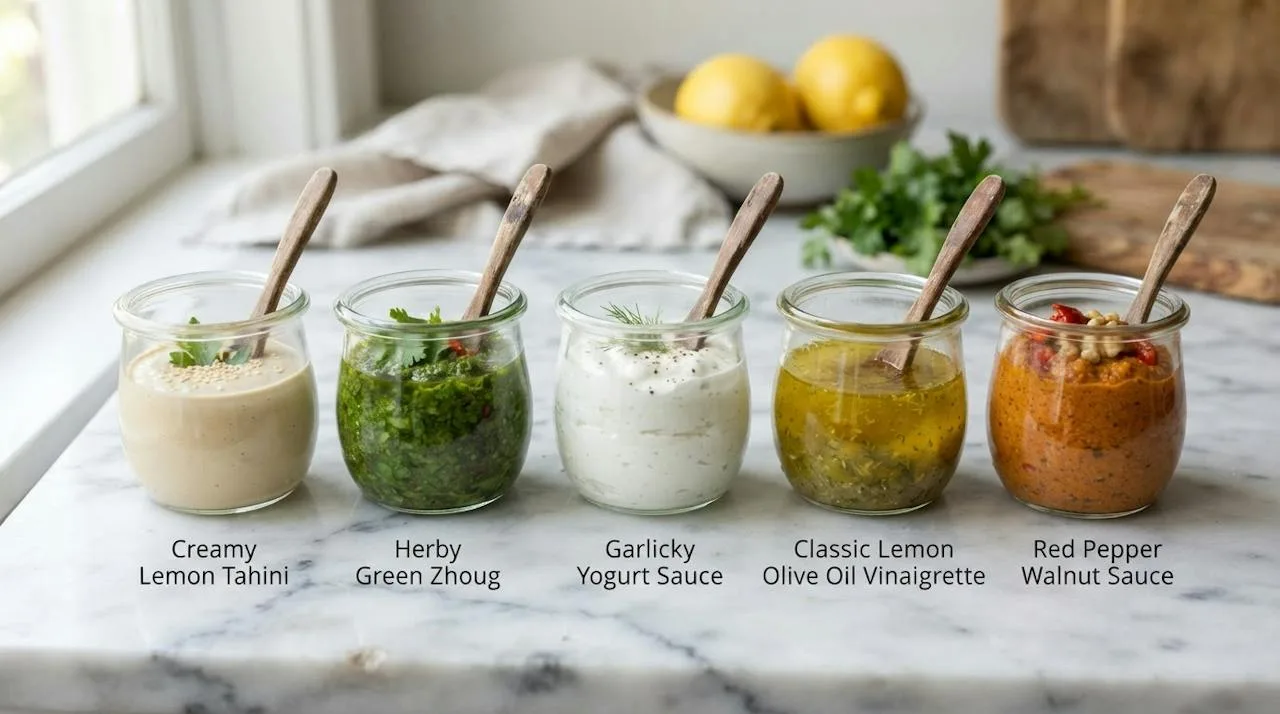
The dressing is what turns a pile of ingredients into a dish. These five cover nearly every bowl I make, and all of them start with good olive oil. If you want to choose the right bottle and get the most from it, my guide to cooking with extra virgin olive oil walks you through it.
Using olive oil in dressings isn’t just about flavor. The Harvard T.H. Chan School of Public Health counts monounsaturated fats like those in olive oil among the healthy fats when they replace saturated fats, and the FDA has reviewed evidence suggesting that oils high in oleic acid, the main fat in olive oil, may reduce the risk of coronary heart disease when they replace saturated fat.
1. Lemon Tahini Sauce
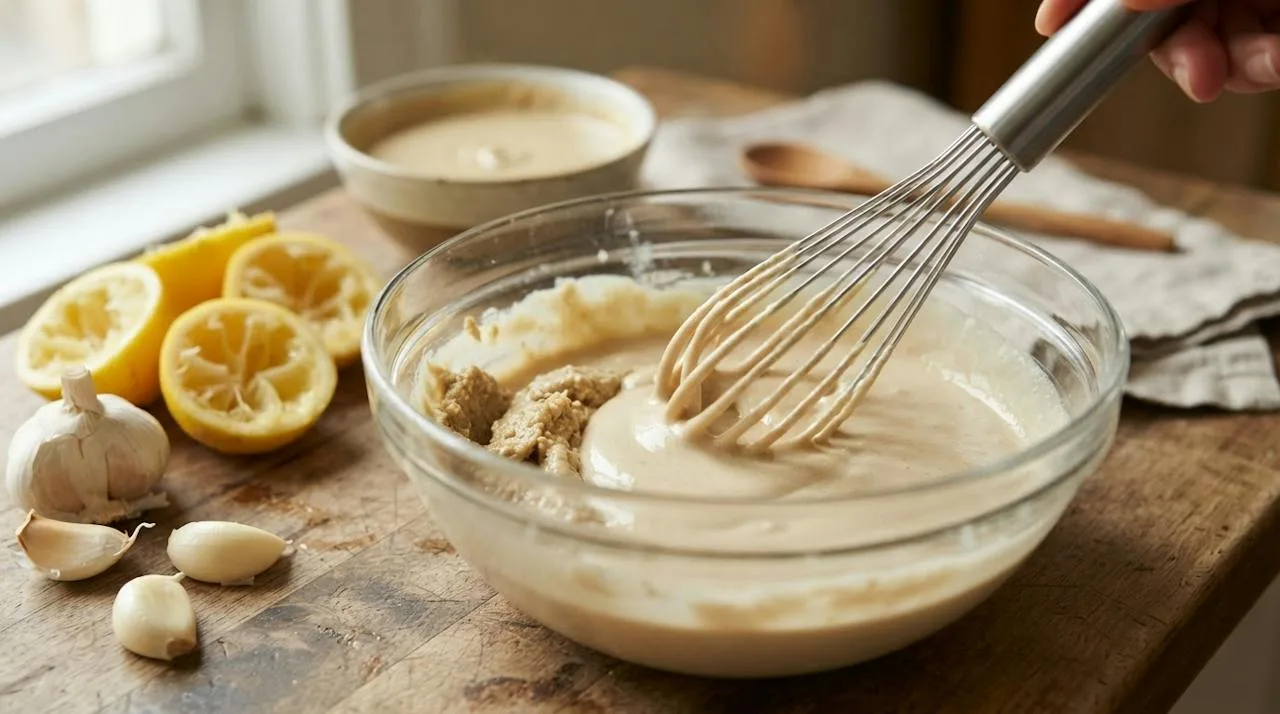
The queen of bowl dressings.
- ¼ cup tahini
- 2 to 3 tablespoons lemon juice
- 1 small garlic clove, grated
- Salt to taste
- 3 to 5 tablespoons ice water
Whisk the tahini, lemon, garlic, and salt. It will seize up and get thick and pasty; don’t panic. Whisk in ice water a tablespoon at a time until it turns smooth, pale, and pourable, like heavy cream.
Note that tahini is made from sesame seeds. The FDA recognizes sesame as the ninth major food allergen, so let guests know if you’re serving it.
2. Classic Lemon and Olive Oil Vinaigrette
Use 3 parts extra virgin olive oil to 1 part lemon juice or red wine vinegar, plus salt, a little Dijon mustard to help it emulsify, and a pinch of dried oregano. Shake it in a jar. It keeps for about a week in the refrigerator.
3. Garlicky Yogurt Sauce
Stir together plain Greek yogurt, grated garlic, lemon juice, olive oil, salt, and chopped dill or mint. Thin with a little water if needed. It’s cooling and creamy, perfect with spiced roasted vegetables.
4. Green Herb Sauce
Blend a big handful of parsley and cilantro (or mint) with garlic, lemon juice, olive oil, cumin, a pinch of chili, and salt. Bright, grassy, and bold, it wakes up any bowl.
5. Red Pepper and Walnut Sauce
Inspired by Syrian muhammara: blend roasted red peppers, toasted walnuts, a few breadcrumbs, garlic, olive oil, lemon, cumin, and a spoonful of pomegranate molasses. Smoky, sweet, and rich.
Common Mistake: Storing homemade garlic or herb sauces made with oil at room temperature. The CDC advises refrigerating homemade oils made with garlic or herbs and throwing them away after 4 days. Keep all garlic-and-oil sauces cold and use them within a few days.
Stocking a Grain Bowl Pantry
A great bowl on a busy Tuesday starts with a well-stocked pantry on Sunday.
Grains to Keep on Hand
The Whole Grains Council explains that whole grains keep all three parts of the kernel, the bran, germ, and endosperm, which is where most of their fiber, vitamins, and minerals live. Here’s my rotation:
- Farro: my everyday base; chewy, nutty, and sturdy enough for meal prep
- Bulgur: the fastest whole grain, ready with just boiling water
- Freekeh: smoky and special, perfect for fall and winter bowls
- Pearl barley: cheap, hearty, and wonderfully chewy
- Brown rice: familiar, gluten-free, and kid-friendly
- Pearl couscous: not a whole grain, but a beloved treat for variety
Because whole grains contain the oil-rich germ, they’re more perishable than refined grains. Store them in airtight containers in a cool, dark cupboard, buy them from stores with good turnover, and keep larger stashes in the freezer.
Legumes to Keep on Hand
- Canned: chickpeas, cannellini beans, and lentils for instant bowls
- Dried: green or brown lentils (no soaking needed), chickpeas, and white beans
- Jarred: Greek-style giant beans in tomato sauce for a shortcut treat
Vegetables and Fresh Additions
Grain bowls are one of the easiest ways to eat more vegetables. USDA MyPlate recommends that most adults eat 2 to 3 cups of vegetables a day, and Harvard’s Nutrition Source emphasizes variety, since no single vegetable provides every nutrient. A bowl with roasted eggplant, raw cucumber and tomato, herbs, and pickled onion can easily cover a cup or more in one sitting.
Keep sturdy vegetables like cucumbers, cabbage, carrots, radishes, and peppers in the crisper drawer; they hold up for days. Buy delicate herbs and greens in small amounts and store herbs like a bouquet, stems in a glass of water.
The Flavor Shelf
The difference between a good bowl and a great one often comes from a small shelf of bold ingredients: tahini, olives, capers, jarred roasted peppers, pomegranate molasses, za’atar, sumac, cumin, smoked paprika, chili flakes, and a jar of homemade pickles. With these on hand, plain grains and beans become a meal in minutes.
Mediterranean Secret: Buy spices like sumac and za’atar in small amounts and replace them often. Ground spices lose their aroma over time, and fresh ones transform a simple bowl.
Building the Perfect Bowl, Layer by Layer
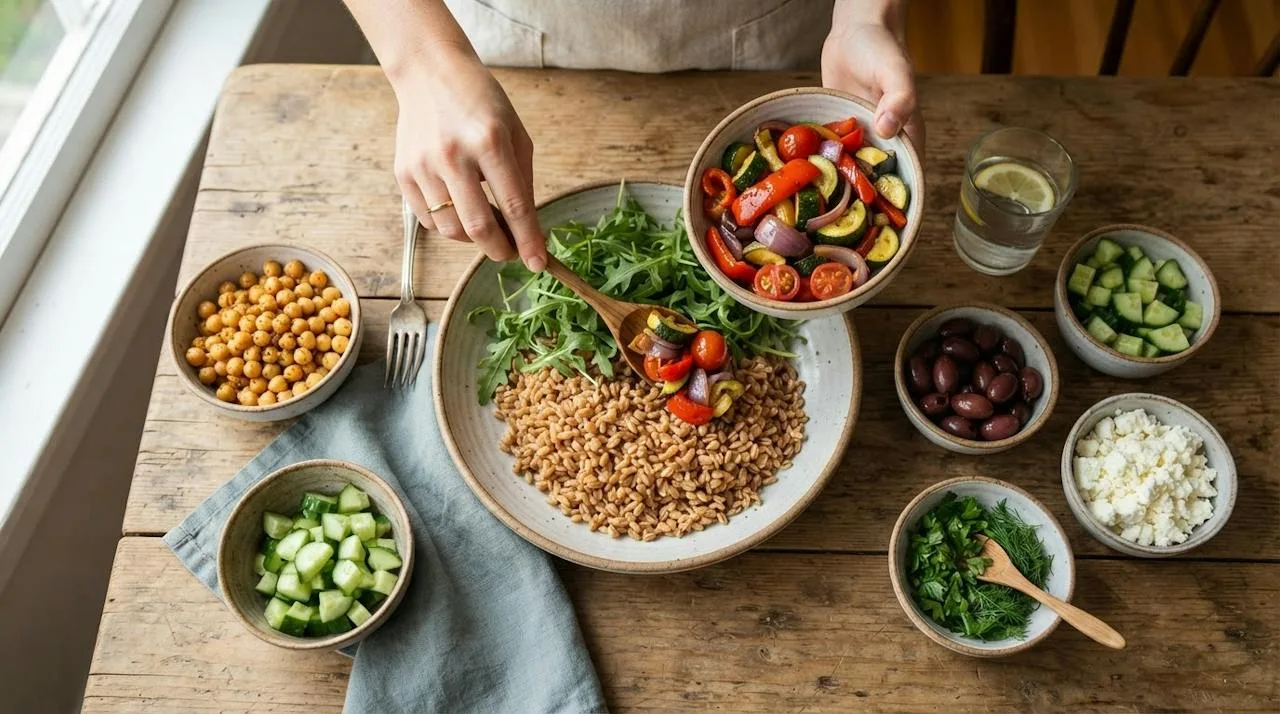
Here’s where everything comes together, and a little order makes a big difference.
Step 1: Season the Base
Start with warm or room-temperature grains that you’ve already dressed lightly with olive oil, lemon, and salt. If they’ve been in the fridge, let them sit out for 15 minutes or warm them briefly.
Step 2: Add the Legumes
Spoon seasoned chickpeas, lentils, or white beans on one side. If they’re cold, a quick warm-up in a skillet with olive oil and spices makes them taste freshly made.
Step 3: Add Something Roasted
Roasted vegetables give a bowl its depth and sweetness: caramelized eggplant, charred peppers, golden cauliflower, spiced carrots. If you want to make them perfectly every time, my guide to roasted Mediterranean vegetables covers temperatures, timing, and every vegetable you’ll want to use.
Step 4: Add Something Fresh
Chopped cucumber and tomato, thinly sliced red onion, radishes, shredded cabbage, baby greens, or a big handful of parsley and mint. This is the layer that keeps the bowl lively.
Step 5: Add Something Briny
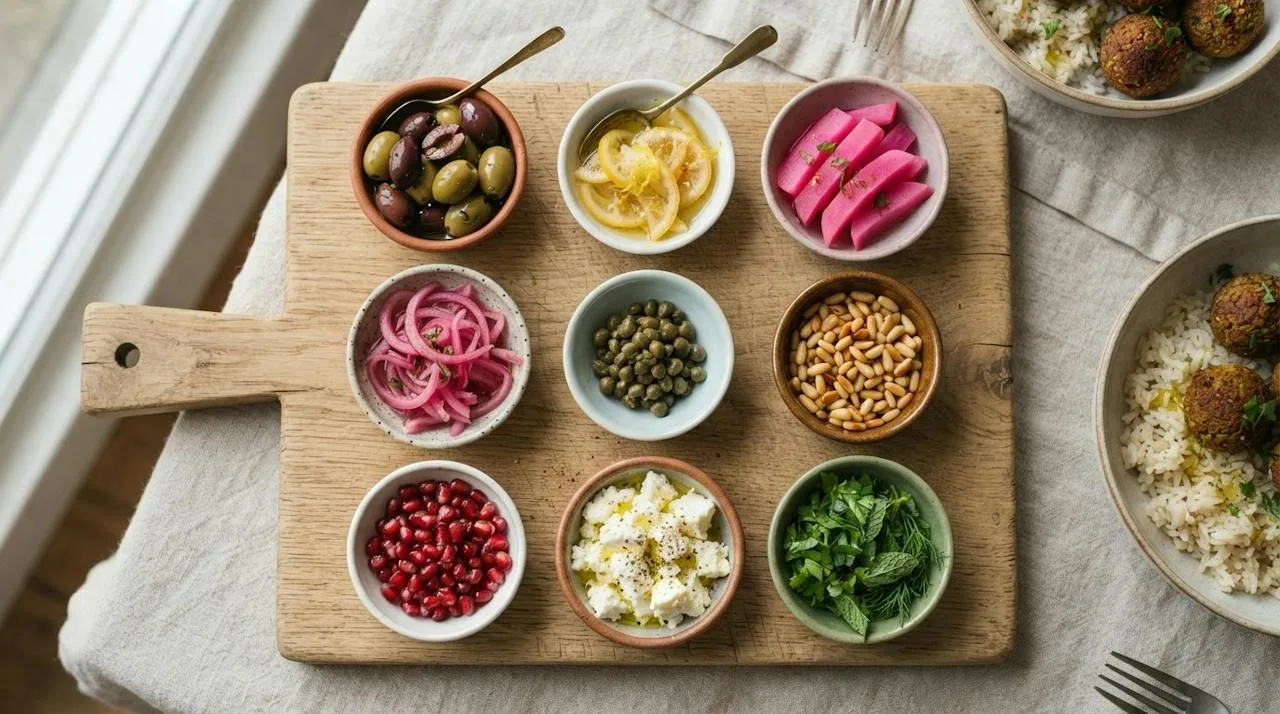
A few salty, tangy bites lift everything else. Kalamata olives, capers, pickled red onions, pink pickled turnips, a scattering of feta, or finely chopped preserved lemon. If you’d like to make your own, my guide to brine-cured olives and preserved lemons shows you how, step by step.
Step 6: Dress and Finish
Drizzle on your sauce just before eating, then finish with something crunchy (toasted pine nuts, almonds, pistachios, sesame seeds, or crispy chickpeas) and a final sprinkle of herbs, za’atar, sumac, or flaky salt.
Reader Story: Olivia from Denver, Colorado, wrote to tell me she started setting out bowl ingredients “taco-night style” for her family. “Everyone builds their own,” she said. “My son, who swore he hated lentils, now piles them on because he likes the crispy chickpeas on top.”
Regional Mediterranean Bowls to Try
Once you’ve mastered the formula, travel the Mediterranean one bowl at a time.
The Greek Bowl
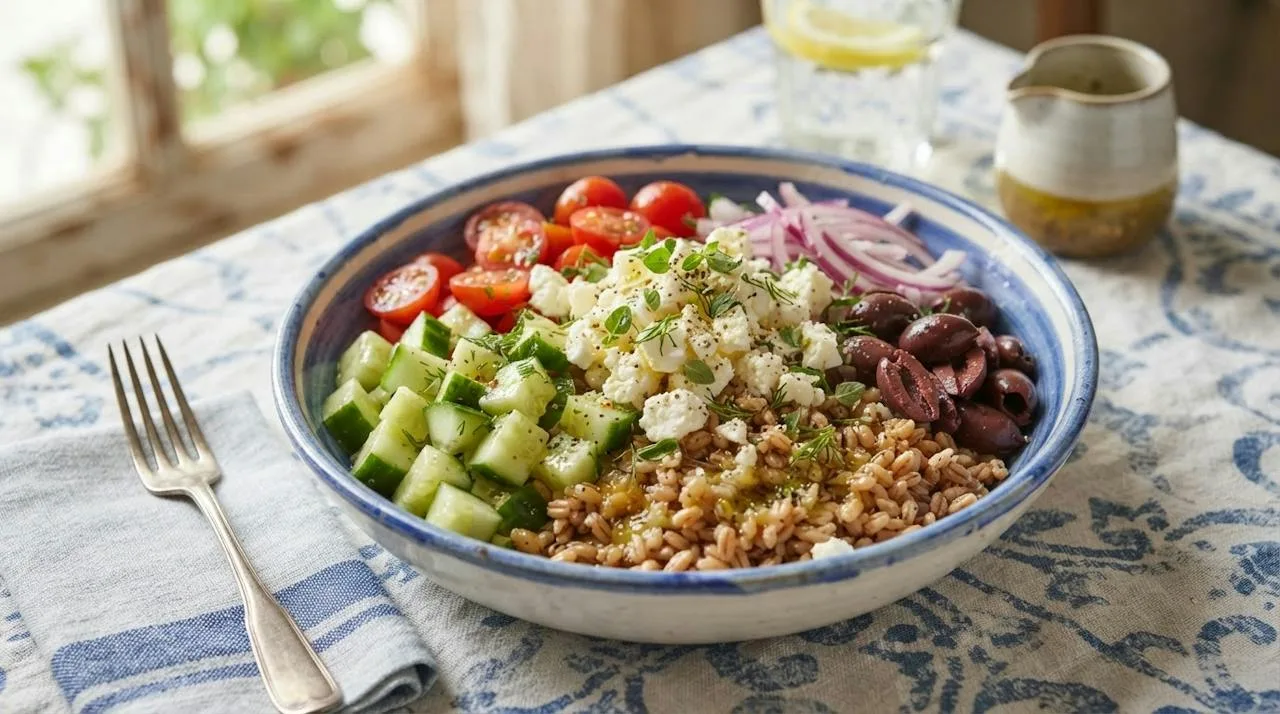
- Base: farro or orzo
- Legume: chickpeas or white beans with oregano
- Roasted: zucchini and red peppers
- Fresh: cucumber, tomato, red onion
- Briny: kalamata olives and feta
- Dressing: lemon and olive oil vinaigrette with dried oregano
The Levantine Bowl
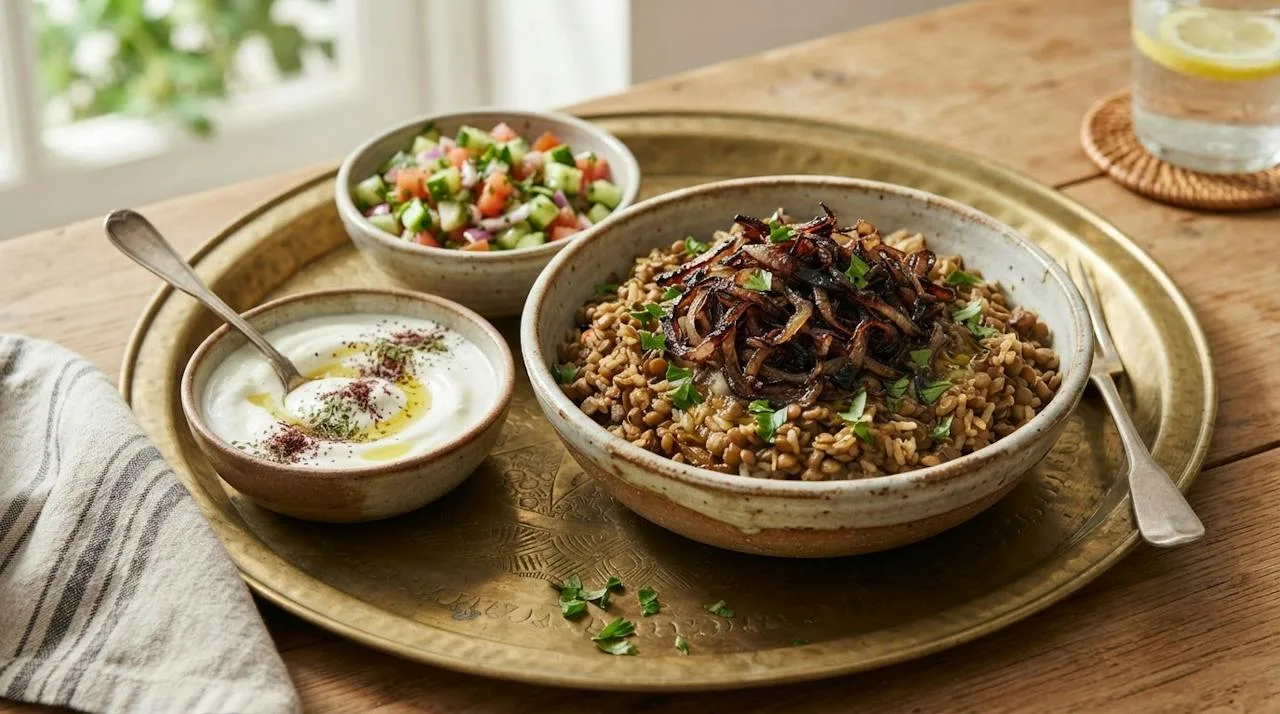
Inspired by mujadara, one of the great comfort foods of the Middle East:
- Base: brown rice or bulgur
- Legume: green or brown lentils
- Roasted: cauliflower with cumin, plus deeply caramelized onions
- Fresh: cucumber, tomato, parsley, mint
- Briny: pickled turnips and olives
- Dressing: lemon tahini or garlicky yogurt, with a sprinkle of sumac
The Moroccan Bowl
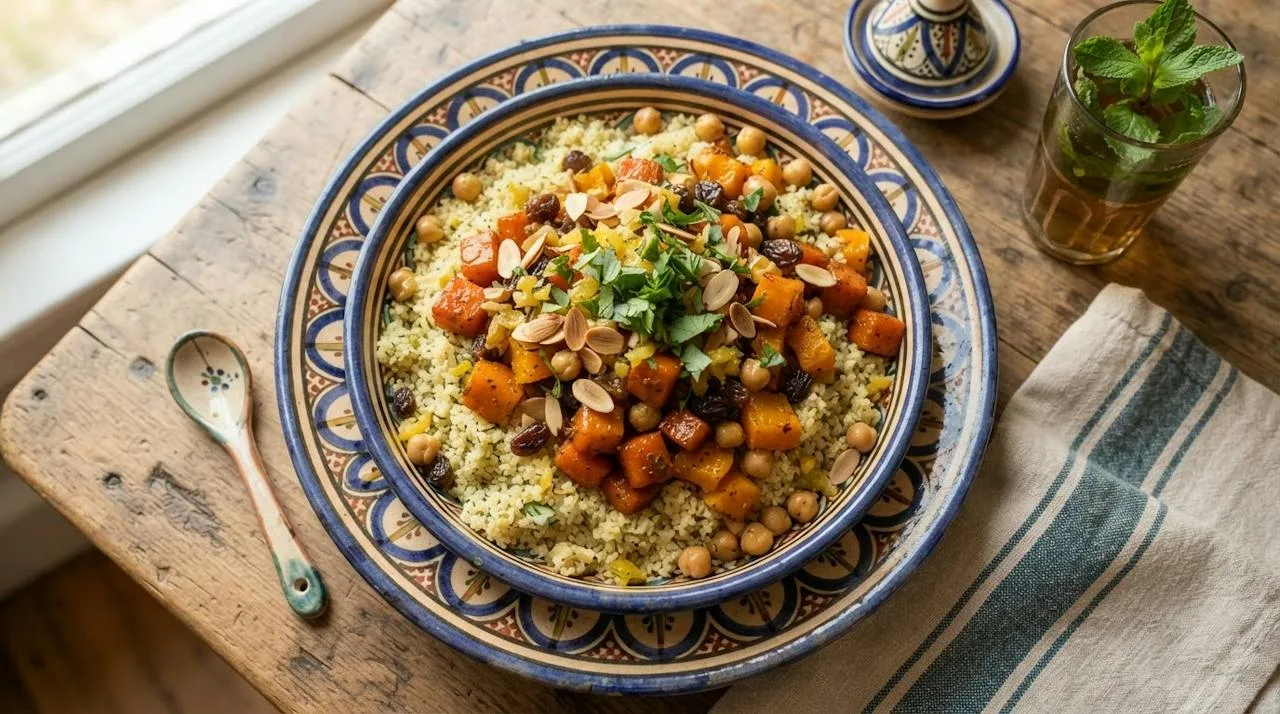
- Base: couscous or freekeh
- Legume: chickpeas warmed with cumin and cinnamon
- Roasted: carrots and squash with ras el hanout or cumin and paprika
- Fresh: cilantro, mint, shredded carrot
- Briny and sweet: chopped preserved lemon, green olives, a few raisins or chopped dates
- Dressing: green herb sauce or yogurt, finished with toasted almonds
The Italian Bowl
- Base: farro or barley
- Legume: cannellini beans with rosemary and garlic
- Roasted: cherry tomatoes, eggplant, and red onion
- Fresh: arugula and basil
- Briny: capers, olives, and shaved Parmigiano
- Dressing: balsamic or red wine vinaigrette
Reader Story: Kevin from Raleigh, North Carolina, told me he rotates a different regional bowl each weekday. “Greek Monday, Levantine Tuesday, Moroccan Wednesday,” he wrote. “I’ve been eating lentils and farro for two months straight and I’m still not bored.”
Meal Prep: A Week of Bowls in One Afternoon
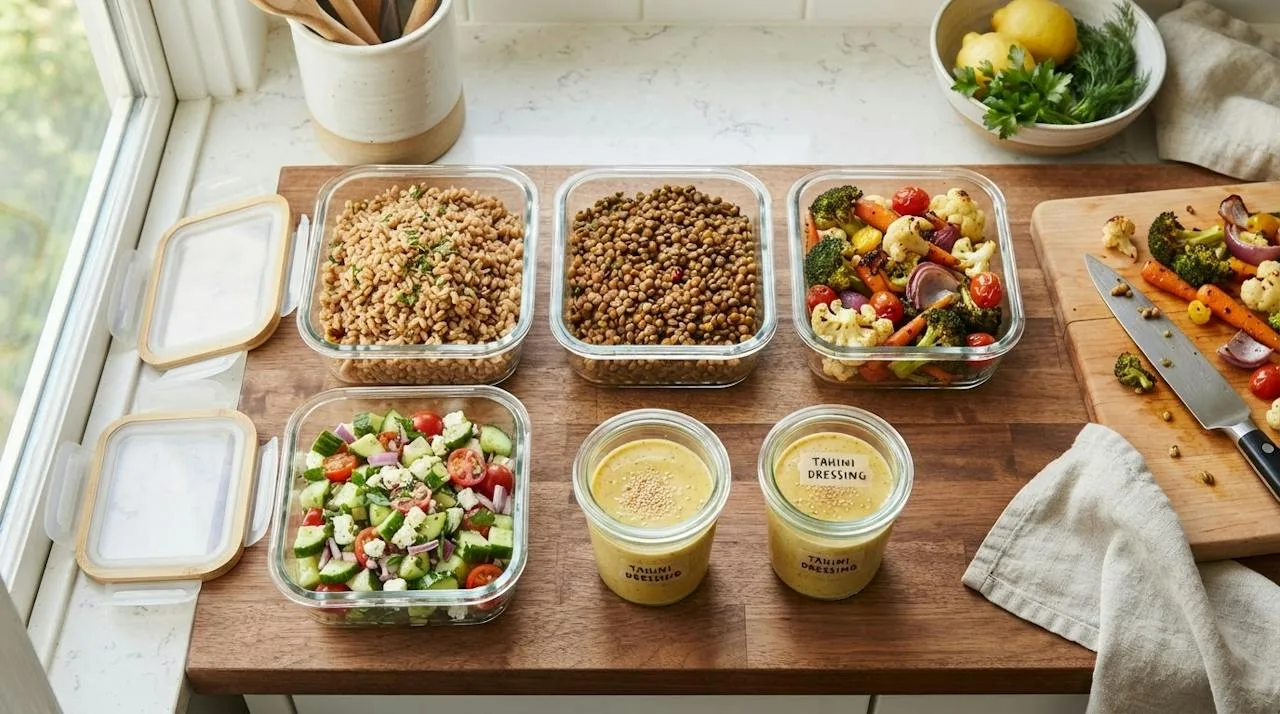
The grain bowl is the ultimate meal-prep food, as long as you prep components, not finished bowls.
The Sunday Plan
In about 90 minutes, mostly hands-off, you can prepare:
- One big pot of grains (farro or barley using the pasta method), dressed lightly with olive oil and salt.
- One pot of legumes (lentils, or chickpeas you soaked overnight).
- Two sheet pans of roasted vegetables.
- One or two dressings in jars.
- A container of sturdy chopped vegetables like cucumber, peppers, cabbage, or radishes.
Store each component separately. Add fresh herbs, soft greens, and dressing only when you assemble.
What Keeps Best
- Cooked grains and legumes: 3 to 4 days in the refrigerator, or frozen for a few months
- Roasted vegetables: 3 to 4 days in the refrigerator
- Vinaigrettes and tahini sauce: about a week (keep garlic-and-oil sauces to a few days)
- Chopped cucumber and tomato: best within a day or two
- Crispy chickpeas and toasted nuts: store separately at room temperature so they stay crunchy
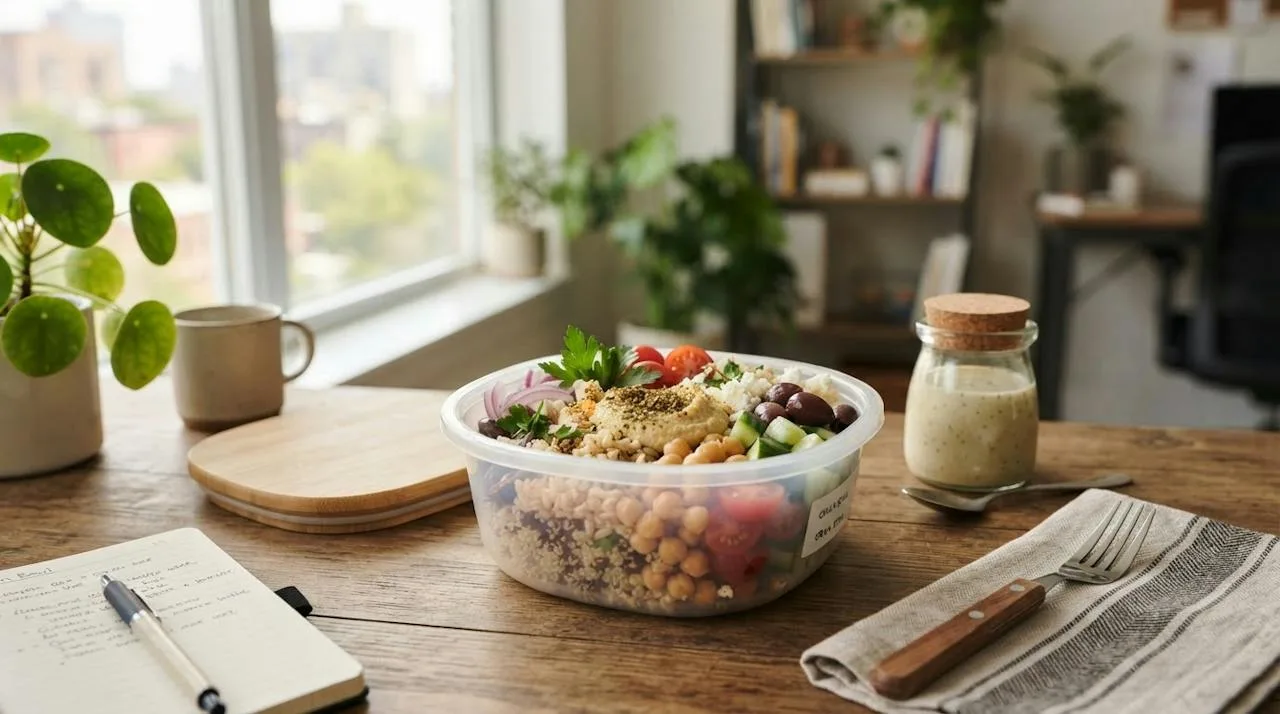
The Packed Lunch
For a lunch that survives until noon: put the dressing in the bottom of a jar or in a separate small container, layer sturdy grains and legumes next, then roasted and raw vegetables, and finally delicate toppings like herbs and feta. Shake or pour just before eating.
Troubleshooting Common Grain Bowl Problems
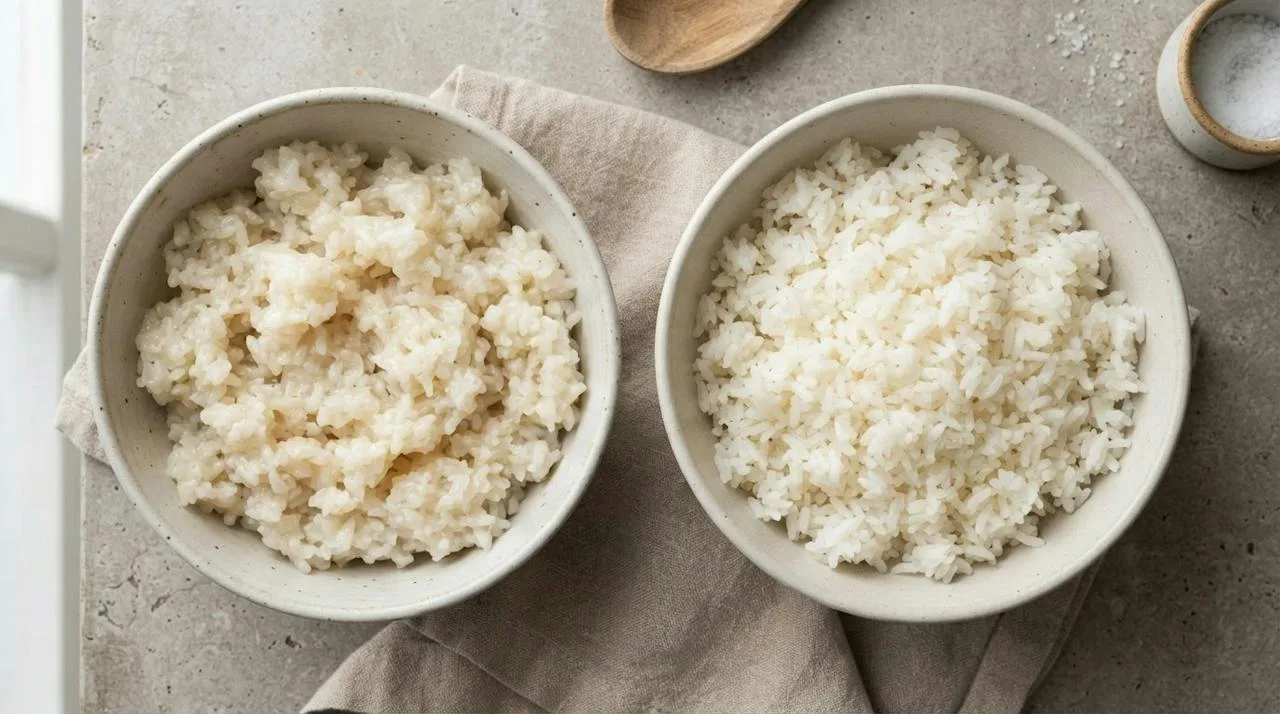
Even good cooks hit these snags. Here’s how to fix them.
Mushy, Gluey Grains
Usually caused by too much water in the absorption method, overcooking, or stirring too much.
The fix: use the pasta method for farro and barley, taste early and drain as soon as they’re chewy-tender, and spread grains out on a sheet pan to cool so they stop cooking. For absorption grains, measure carefully and let them rest covered off the heat.
Bland Bowls
Usually caused by unsalted cooking water and plain, unseasoned beans.
The fix: salt your grain water generously, dress grains and legumes while warm, add something briny, and finish every bowl with acid (lemon or vinegar) and a pinch of flaky salt.
Soggy Bowls by Lunchtime
Usually caused by dressing too early or packing wet ingredients against crunchy ones.
The fix: pack dressing separately, keep tomatoes and cucumbers in their own container, and add crispy toppings at the last minute.
Hard or Undercooked Beans
Usually caused by old dried beans or cooking with acidic ingredients like tomatoes too early.
The fix: buy dried beans from a store with good turnover, soak them overnight, and add tomatoes, lemon, or vinegar only after the beans are tender. Be patient; some batches simply take longer.
Seized or Grainy Tahini Sauce
Tahini tightens when you first add lemon juice. That’s normal.
The fix: keep whisking and add ice water a tablespoon at a time until it relaxes into a smooth, creamy sauce.
Troubleshooting Flowchart:
- Mushy grains → Too much water or overcooking → Use the pasta method and drain early
- Bland bowl → Unsalted water and plain beans → Salt the water, season warm, add acid and brine
- Soggy by noon → Dressing added too early → Pack dressing and wet vegetables separately
- Hard beans → Old beans or acid added early → Soak, buy fresh, add acid after tender
- Thick, seized tahini → Normal reaction to lemon → Whisk in ice water until creamy
Your Journey to Grain Bowl Mastery
The Mediterranean Bowl Advantage: 5 Key Takeaways
- Follow the formula: grain, legume, roasted, fresh, briny, and dressing, finished with crunch.
- Salt the water and season while warm. Grains and beans should taste good on their own.
- Use the pasta method for chewy grains like farro and barley; it’s nearly foolproof.
- Prep components, not bowls. Store everything separately and assemble fresh.
- Make two or three dressings and rotate them to keep bowls exciting all week.
Your 30-Day Grain Bowl Journey
Week 1: Foundation. Cook one grain (farro) and one legume (lentils). Make the lemon tahini sauce and the olive oil vinaigrette. Build a simple bowl every day using the six-part formula.
Week 2: Expand Your Pantry. Try bulgur and freekeh, and cook dried chickpeas from scratch. Roast two sheet pans of vegetables and make crispy chickpeas.
Week 3: Meal Prep. Do a full Sunday prep. Pack lunches in jars with the dressing at the bottom. Make the garlicky yogurt and green herb sauces.
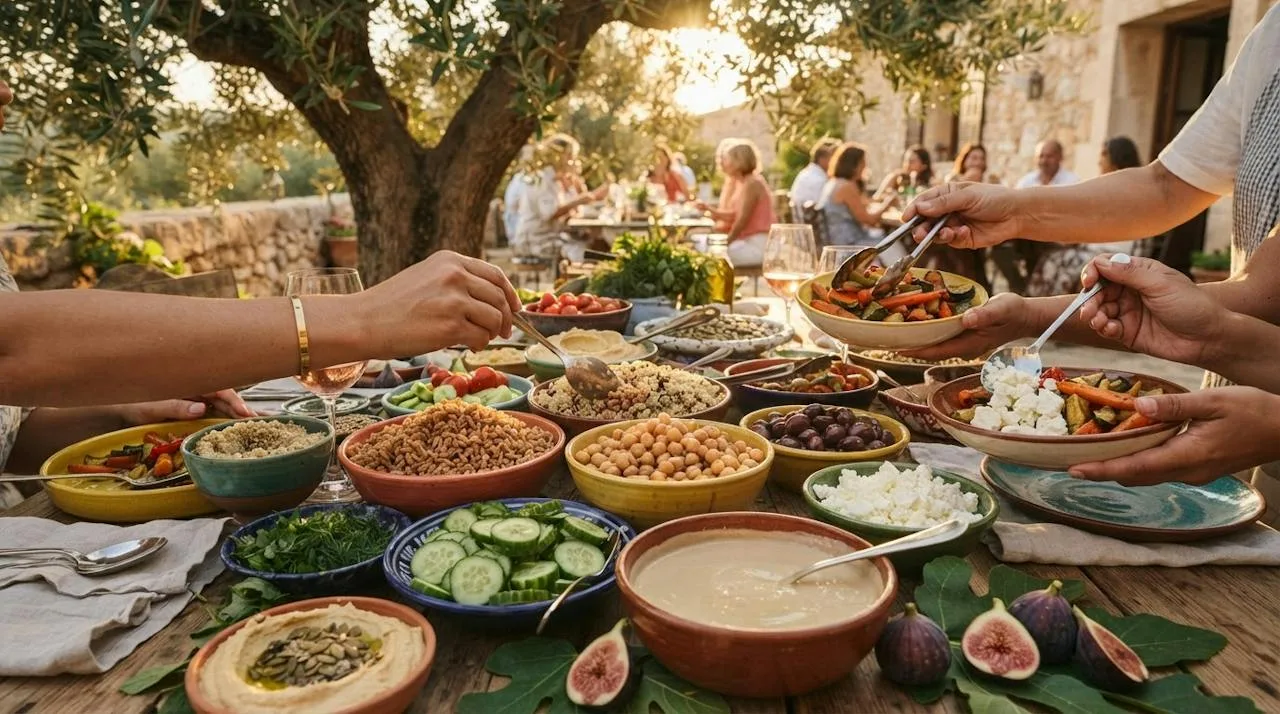
Week 4: Travel the Mediterranean. Build a Greek bowl, a Levantine bowl, a Moroccan bowl, and an Italian bowl. Host a build-your-own bowl dinner for friends or family.
Frequently Asked Questions
Why do my homemade grain bowls taste bland compared to restaurant bowls?
Restaurant bowls taste better mostly because every component is seasoned on its own. Start by salting your grain cooking water generously, the way you would for pasta. Dress warm grains and legumes with olive oil, lemon, and salt right after cooking so they absorb flavor. Warm canned beans in olive oil with garlic and spices instead of using them straight from the can. Add something briny, like olives, capers, pickles, or feta, and always finish with acid: a squeeze of lemon or a splash of vinegar. A final drizzle of a bold sauce and a pinch of flaky salt brings everything together.
Can I make grain bowls ahead for the whole week?
Yes, as long as you prep the components rather than finished bowls. Cook a big batch of grains and legumes, roast a couple of sheet pans of vegetables, make one or two dressings, and chop sturdy raw vegetables like cucumbers, cabbage, and peppers. Store each in its own container in the refrigerator. The USDA recommends refrigerating leftovers within 2 hours and eating them within 3 to 4 days. Each day, assemble a bowl, add fresh herbs and soft greens, and dress it just before eating. Keep crispy toppings separate at room temperature so they stay crunchy. Cooked grains and beans also freeze well.
How long does it take to cook farro?
Most farro sold in American stores is semi-pearled and takes about 20 to 30 minutes. The easiest method is to cook it like pasta: bring a large pot of generously salted water to a boil, add the farro, simmer until it’s tender but still pleasantly chewy, then drain. Taste it starting around 18 minutes. Whole farro, which still has all of its bran, takes longer, often 40 minutes or more, and benefits from soaking overnight first. Pearled farro cooks fastest, sometimes in about 15 minutes. Check the package, then trust your teeth: farro is done when it’s tender with a slight bite.
What’s the minimum amount of protein I should put in a grain bowl?
There’s no single number that’s right for everyone, but a practical starting point is about half to three-quarters of a cup of cooked legumes per bowl, such as chickpeas, lentils, or white beans. Combined with whole grains, that makes a filling, balanced meal. Harvard’s Nutrition Source notes that legumes are an inexpensive source of protein, fiber, and minerals. If you want more protein, add an egg, a sprinkle of feta, Greek yogurt sauce, toasted nuts, or a portion of fish or chicken. If you have specific protein needs because of age, activity, or a health condition, a registered dietitian can help you set a target.
Is it possible to make grain bowls gluten-free?
Yes. Many traditional Mediterranean bowl grains, including farro, bulgur, freekeh, barley, and couscous, contain gluten, but there are excellent gluten-free alternatives. Brown rice, wild rice, quinoa, millet, and buckwheat all work beautifully as a base. Legumes, vegetables, olives, tahini, olive oil, and most dressings are naturally gluten-free. Check labels on packaged ingredients, since some spice blends, broths, and sauces can contain wheat. If you’re cooking for someone with celiac disease, be careful about cross-contact with wheat-based grains on shared cutting boards, pots, and colanders. The bowl formula itself works the same way with any grain, so you lose nothing in flavor or satisfaction.
How do I cook dried chickpeas so they’re creamy, not hard?
Start with dried chickpeas from a store with good turnover, since old chickpeas can stay hard no matter how long you cook them. Soak them overnight in plenty of cold water, which Harvard’s Nutrition Source notes may also reduce gas and bloating. Drain, rinse, and cover with fresh water by a couple of inches, adding a bay leaf and some garlic. Simmer gently, not at a hard boil, for about 1 to 1½ hours, salting in the last half hour, until they’re creamy throughout. Avoid adding acidic ingredients like tomatoes or lemon until they’re tender. Cool them in their cooking liquid to keep them plump.
Can I substitute canned beans for dried in grain bowls?
Absolutely. Canned beans are convenient and work well in every bowl in this guide. Drain and rinse them thoroughly to remove the starchy, salty canning liquid. Then give them flavor: warm them in a skillet with olive oil, garlic, and spices like cumin or paprika, or toss them with lemon juice, herbs, salt, and a drizzle of olive oil and let them sit for about 10 minutes. As a rough guide, one 15-ounce can, drained, gives you about 1½ cups of beans. Canned red kidney beans are already cooked and safe to use without further boiling. Keep a few cans in the pantry for emergency bowls.
Why does my tahini sauce get thick and clumpy when I add lemon?
That’s completely normal. When you first mix tahini with lemon juice, the acid causes it to tighten and seize into a thick, pasty clump. It looks like you’ve ruined it, but you haven’t. Keep whisking and add ice-cold water a tablespoon at a time. After a few additions, the sauce will suddenly loosen and turn smooth, pale, and creamy, about the consistency of heavy cream. Stop adding water once it reaches the thickness you like. Season with salt and a little grated garlic. Tahini sauce keeps for about a week in the refrigerator and may thicken again as it chills; just whisk in a little more water.
How do I know when grains are cooked properly?
Taste them. Properly cooked grains are tender all the way through but still have a pleasant chew, and each grain stays separate rather than clumping into a sticky mass. Farro and barley should be chewy with some kernels split open. Bulgur should be tender with no hard center and no liquid left. Brown rice should be soft but not mushy. If you’re using the absorption method, the water should be fully absorbed. Start tasting a few minutes before the package time ends. Once they’re done, spread grains on a sheet pan to cool so the residual heat doesn’t overcook them.
What’s the best way to start making Mediterranean grain bowls?
Start with just two components you can cook in one afternoon: a pot of farro using the pasta method and a pot of green lentils. Make a jar of lemon tahini sauce and a jar of olive oil vinaigrette. Then follow the six-part formula: grain, legume, something roasted, something fresh, something briny, and a dressing, finished with crunch. Roast a pan of vegetables, chop a cucumber, open a jar of olives, and build your first bowl. Once that feels easy, add new grains, legumes, and regional flavors one at a time. Within a few weeks, you’ll be building bowls without a recipe.
Professional Tips for Advanced Success
Overnight Technique: Soak whole farro and dried chickpeas overnight together in separate bowls. The next day, both cook faster and more evenly, and you can have a full bowl base ready in about an hour.
Science Tip: Cool grains in a single layer on a sheet pan instead of leaving them in the hot pot. They stop cooking right away, stay separate, and cool quickly enough to refrigerate safely within the USDA’s 2-hour window.
Advanced Technique: Toast grains in a dry pot or a little olive oil for 2 to 3 minutes before adding water. Toasting farro, freekeh, or pearl couscous deepens their nutty flavor dramatically.
Ratio Tip: For a balanced bowl, aim for roughly equal volumes of grains, legumes, and vegetables, with vegetables taking the largest share, plus about 2 tablespoons of dressing per bowl.
Mediterranean Secret: Save a splash of your chickpea cooking liquid. Stirred into tahini sauce or hummus, it adds body and a deep, savory flavor that water alone can’t match.
Take Action: Start Building Bowls Today
Choose your starting point:
- Beginner: Tonight, cook a pot of farro, rinse a can of chickpeas, and make lemon tahini sauce. Build your first six-part bowl. The Mediterranean diet guide for beginners explains why grains and beans are the foundation of this way of eating.
- Intermediate: This week, do a full Sunday meal prep with two grains, one legume, two pans of roasted vegetables from the roasting guide, and two dressings made with good olive oil.
- Advanced: This month, cook dried chickpeas and beans from scratch, make all five dressings, and build a Greek, Levantine, Moroccan, and Italian bowl, topped with your own pickles and preserved lemons.
Track Your Progress
- Note which grains and legumes your household likes best
- Record cooking times that work for your stove and pots
- Keep a list of favorite bowl combinations and dressings
- Count how many meals a week include whole grains and legumes
Continue Learning Grain bowls bring every part of Fig & Brine together. The Mediterranean diet guide shows how they fit into your week, the olive oil guide helps you make better dressings, the roasted vegetables guide gives you the perfect toppings, and the preserving guide teaches you to make the olives, pickles, and preserved lemons that make every bowl sing. A guide to Mediterranean herbs and spices is coming next.
That leftover bowl of farro, eggplant, and tahini taught me something I’d been missing for years: the most satisfying meals often come from the simplest ingredients, cooked with care and put together with a little intention.
Now my fridge holds a pot of grains, a container of lentils, a tray of roasted vegetables, and a jar of tahini sauce almost every week, and lunch takes three minutes. Start with one pot of farro and one jar of dressing. Build your first bowl. And when you find a combination you love, come tell me about it. I’m always looking for my next favorite bowl.
With tahini on my spoon and figs on the counter, Nevaeh Hall


