

Fresh vs. Dried Herbs: Conversion Guide and When to Use Each
The recipe calls for a tablespoon of fresh thyme. You have a jar of dried. Do you use a tablespoon of that instead? (Please don’t.) Or skip it altogether?
Swapping fresh and dried herbs is one of the most common kitchen questions, and the answer isn’t just a number. Yes, there’s a simple conversion ratio, and you’ll find it right below. But some herbs dry beautifully and some barely survive the process, and the moment you add them to the pan matters just as much as how much you use.
This guide gives you the conversion ratio, a herb-by-herb chart, and clear rules for when to choose fresh, when dried is actually better, and how to get the most flavor from each. For the bigger picture on stocking a Mediterranean pantry, see my complete guide to Mediterranean herbs and spices.
The Quick Answer: The 3-to-1 Rule
The Short Version: Use 1 teaspoon of dried herbs for every 1 tablespoon of fresh herbs. Dried herbs are about three times as concentrated as fresh, because the water has been removed.
University of Illinois Extension explains that you’ll typically use three times as much fresh herb as dried, a 3:1 ratio. Since there are 3 teaspoons in a tablespoon, that works out neatly:
| Fresh herbs | Dried herbs (crumbled) |
|---|---|
| 1 teaspoon | ⅓ teaspoon (a generous pinch) |
| 1 tablespoon | 1 teaspoon |
| 2 tablespoons | 2 teaspoons |
| 3 tablespoons (about ¼ cup loosely packed) | 1 tablespoon |
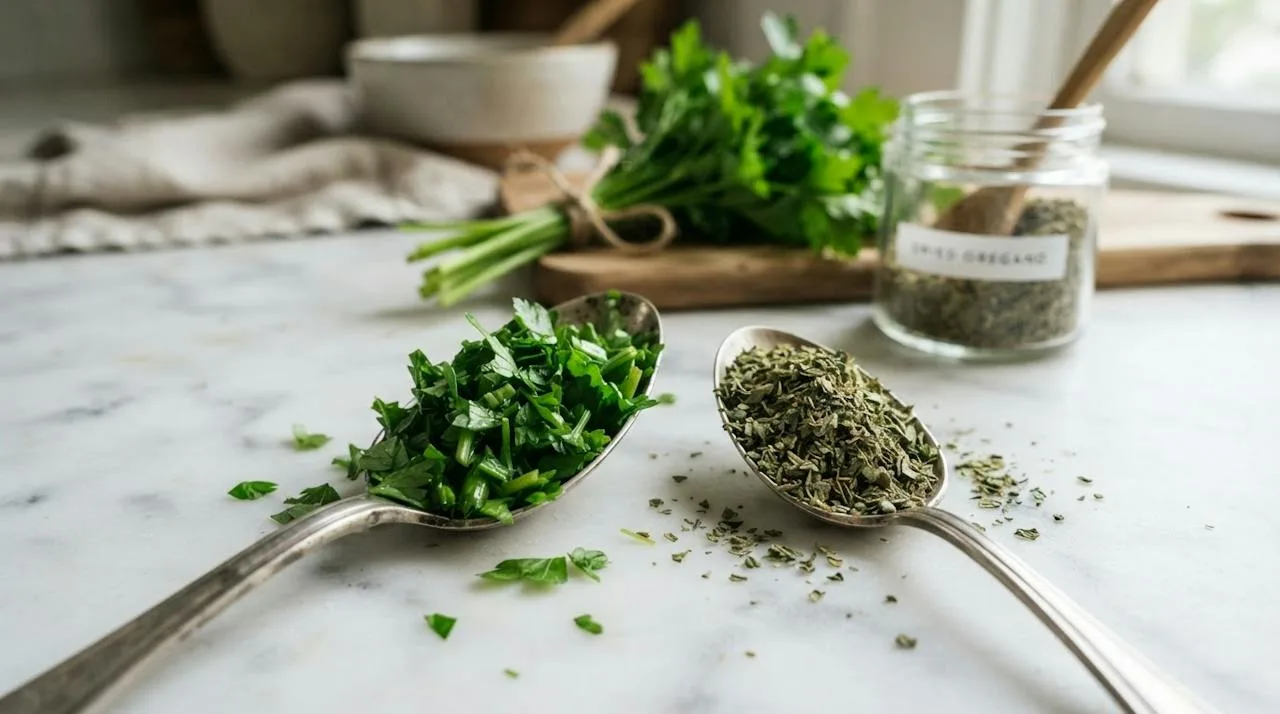
Going the other way? Multiply by three. If a recipe calls for 1 teaspoon of dried oregano and you have fresh, use about 1 tablespoon of chopped fresh oregano.
Why the Ratio Is Only a Starting Point
The 3-to-1 rule assumes your dried herbs are reasonably fresh. In real kitchens, they often aren’t.
Dried herbs lose flavor over time, especially when stored near heat or light. Oklahoma State University Extension gives a rule of thumb of about 1 year for ground spices and dried herbs, and about 2 years for whole spices, when stored in tightly sealed containers in a dark cupboard away from the stove.
That means:
- A freshly opened jar of good dried oregano may need a little less than the ratio.
- A jar that’s been open for a year or two may need more, or simply replacing.
- Fresh herbs vary too. A bunch picked in peak summer is far more aromatic than one that’s been in the fridge for a week.
Always start with the ratio, then taste and adjust.
Mediterranean Secret: Before measuring a dried herb, crush a pinch between your fingers and smell it. If the aroma hits you right away, trust the ratio. If you have to search for it, add a little extra, and put that jar on your shopping list.
Herb-by-Herb Conversion Chart
Not every herb dries equally well. This chart shows how each common Mediterranean herb behaves when dried, and when you’re better off sticking with fresh.
| Herb | 1 tbsp fresh = | Dries well? | Best way to use |
|---|---|---|---|
| Oregano | 1 tsp dried | Excellent | Dried is often preferred in Greek cooking |
| Thyme | 1 tsp dried | Excellent | Fresh or dried, added early |
| Rosemary | 1 tsp dried | Good | Crumble or chop dried needles finely |
| Sage | 1 tsp dried | Good | Rubbed dried sage works in cooked dishes |
| Marjoram | 1 tsp dried | Good | Milder than oregano; add mid-cooking |
| Bay leaf | Use whole, roughly 1:1 | Good | Simmer whole, remove before serving |
| Mint | 1 tsp dried | Good | Dried mint is traditional in many Greek and Middle Eastern dishes |
| Dill | 1 tsp dried | Fair | Fresh is far better for finishing |
| Tarragon | 1 tsp dried | Fair | Fresh is brighter |
| Basil | 1 tsp dried | Poor | Use fresh whenever basil is the star |
| Parsley | 1 tsp dried | Poor | Use fresh; dried adds color more than flavor |
| Cilantro | 1 tsp dried | Poor | Use fresh; dried loses most of its flavor |
| Chives | 1 tsp dried | Poor | Use fresh, or freeze instead of drying |
A note on ground dried herbs: powdered herbs pack more tightly into a spoon than crumbled leaves, so they’re stronger by volume. If you’re using ground thyme or sage instead of crumbled, start with about half the amount and taste.
Woody Herbs vs. Tender Herbs: The Rule That Matters Most
The chart has a clear pattern. Whether an herb dries well depends on what kind of plant it is.
Woody Herbs: Great Fresh or Dried
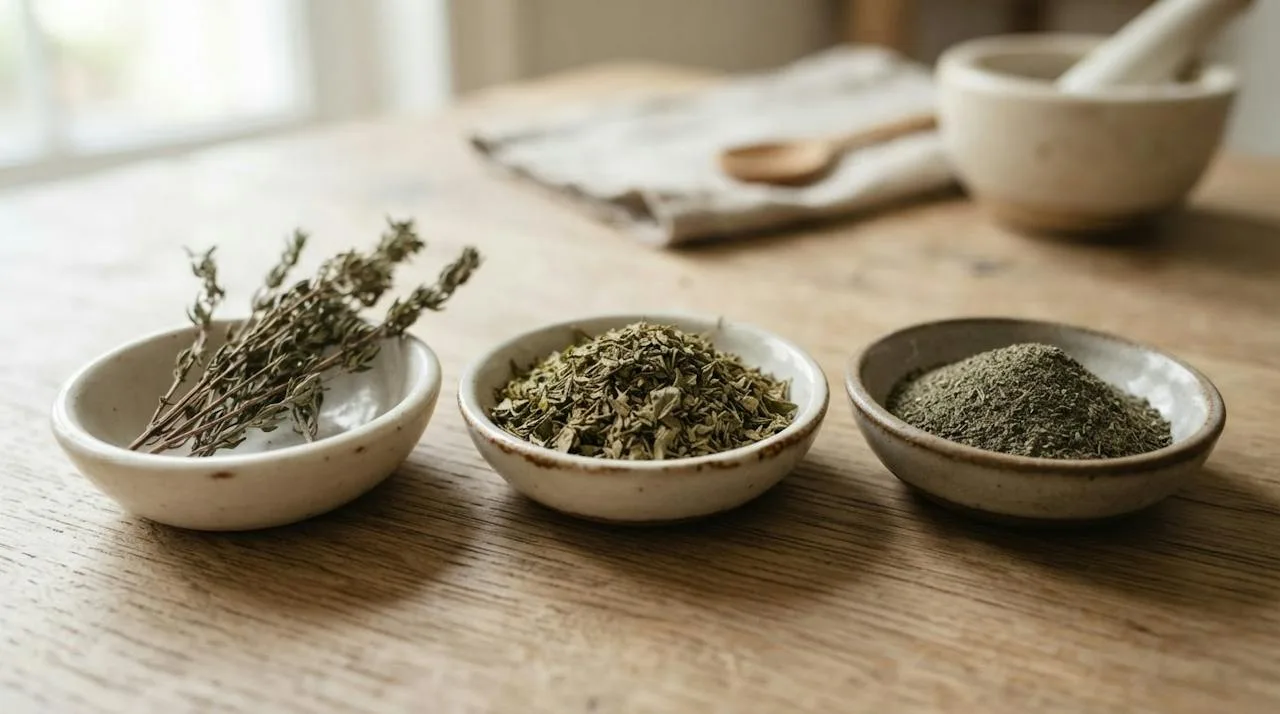
Rosemary, thyme, oregano, sage, marjoram and bay grow on tough, woody stems with sturdy, oily leaves. These herbs come from hot, dry Mediterranean hillsides, and their aromatic oils are concentrated in tough leaves that hold up to drying.
- Dried versions are excellent and often taste deeper and more concentrated.
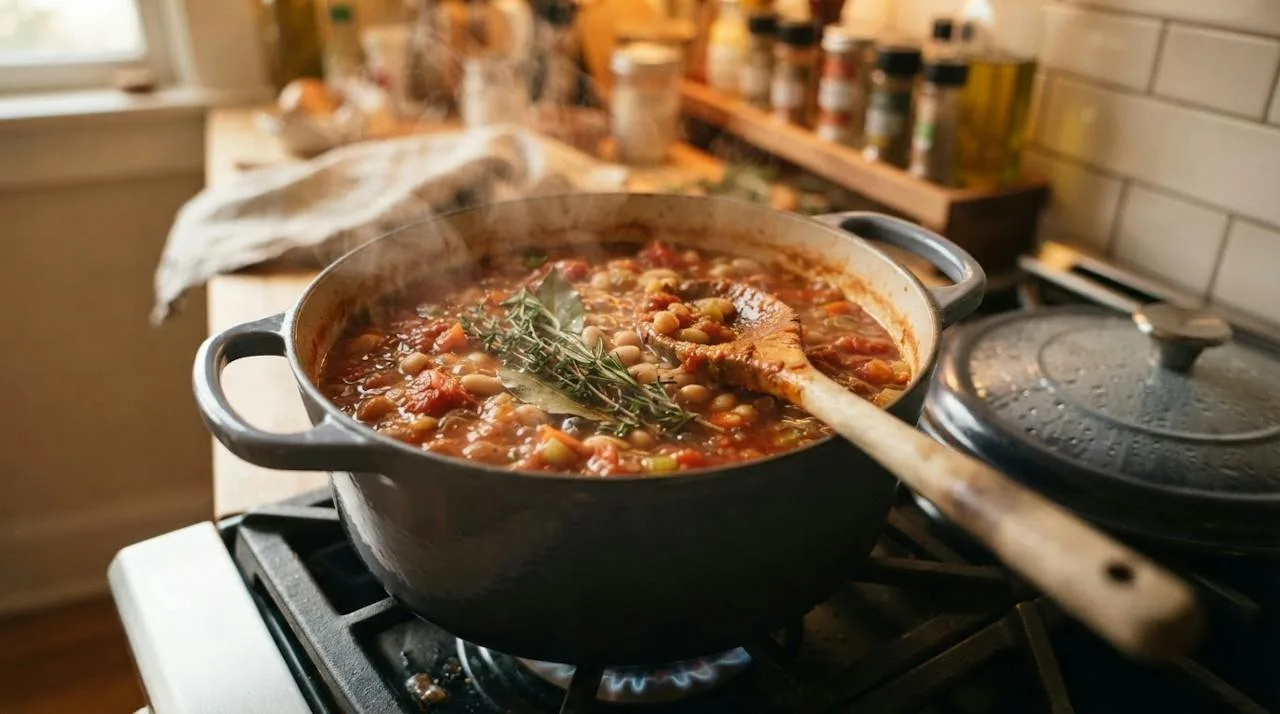
- Both fresh and dried versions handle heat well, so add them early in cooking.
- Use them in: braises, bean dishes, roasted vegetables, tomato sauces and marinades.
Tender Herbs: Best Fresh
Basil, parsley, cilantro, dill, chives and tarragon have soft stems and delicate leaves. Their flavor comes from volatile aromatic compounds that fade quickly when the leaves are dried or exposed to long cooking.
- Dried versions are weak, often tasting of very little.
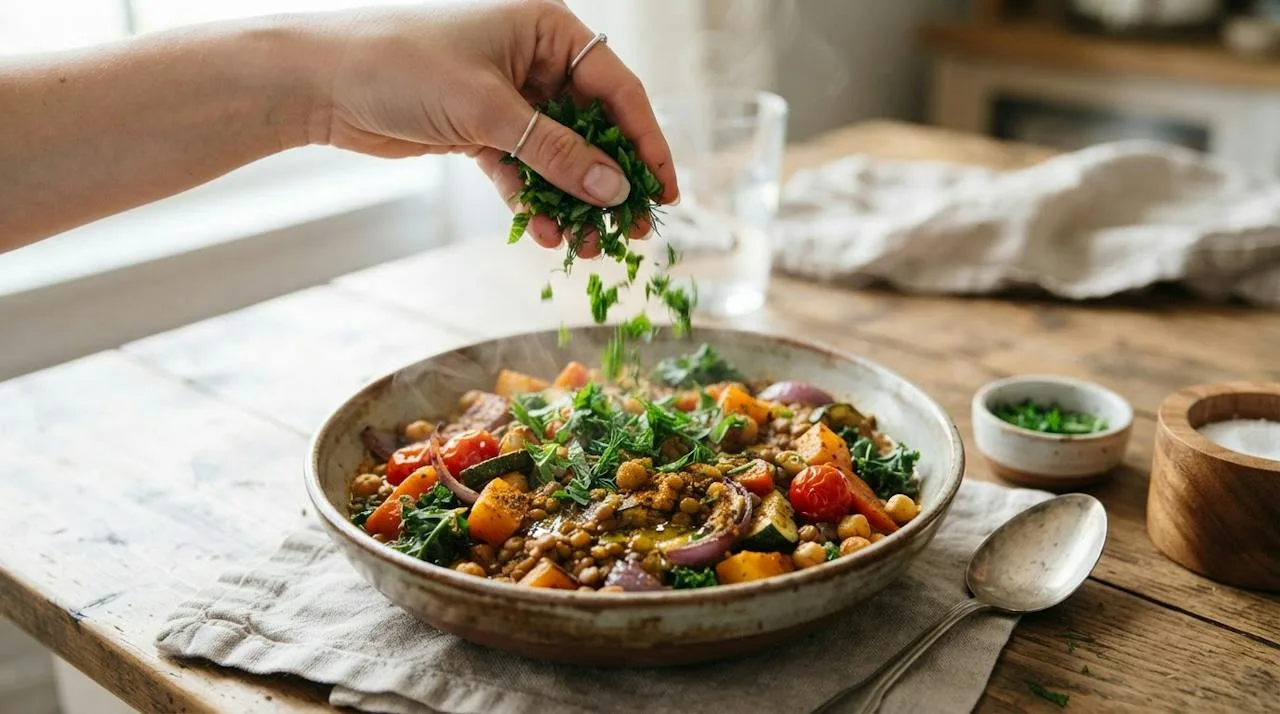
- Fresh versions are best added at the end of cooking, or scattered over the finished dish.
- Use them in: salads, herb sauces, tabbouleh, pesto, and as a finishing touch on stews, grains and roasted vegetables.
Mint is the in-between herb. Fresh mint is lovely in salads and yogurt sauces, while dried mint has its own earthy flavor that’s traditional in many Greek, Turkish and Middle Eastern soups and stews.
When Dried Is Actually Better
“Fresh is always better” is one of the biggest kitchen myths. In Mediterranean cooking, several classic dishes are built on dried herbs on purpose.
- Greek salad, souvlaki and lemon potatoes rely on dried Greek oregano, which has a punchier, more concentrated flavor than fresh.
- Za’atar is a dried blend of herbs, sumac and sesame.
- Herbes de Provence is a dried blend from southern France.
- Long-simmered beans and stews benefit from dried woody herbs, which release their flavor slowly.
- Dry rubs and marinades need dried herbs, which won’t burn or turn black the way fresh leaves can.
Greek oregano is the best example. A 2020 study in Foods found that carvacrol, the compound behind oregano’s sharp, warm bite, made up as much as 32% of a key aromatic fraction in Greek oregano. Drying concentrates that intensity, which is why Greek cooks so often reach for the dried herb.
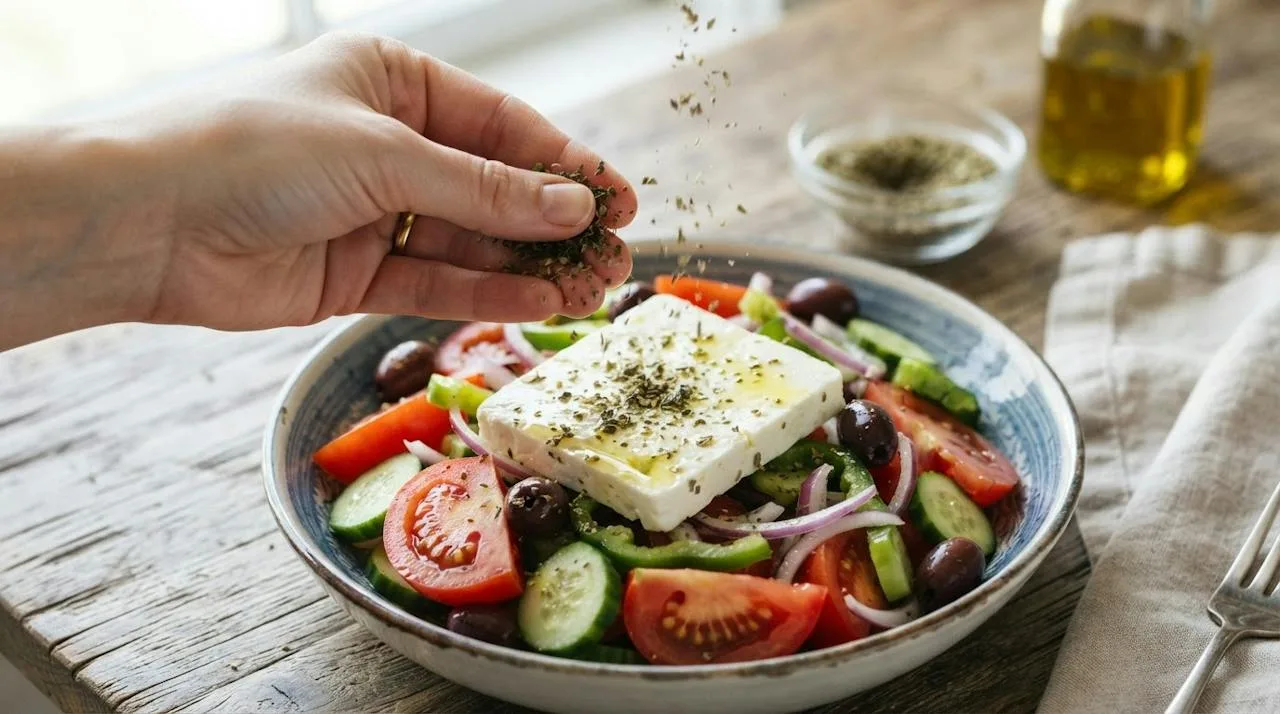
Common Mistake: Substituting dried parsley or dried basil in recipes where they’re the main event. Pesto, tabbouleh and green herb sauces depend on fresh leaves, and the dried versions won’t come close. If you can’t get fresh, choose a different recipe rather than substituting.
When to Add Fresh and Dried Herbs
Timing is just as important as quantity.
Add dried herbs early. They need time and moisture to rehydrate and release their flavor. Stir them into a sauce, stew, soup or bean pot during cooking, or bloom them briefly in warm olive oil at the start. Sprinkled on at the very end, they can taste dusty.
Add woody fresh herbs early, too. Whole sprigs of rosemary and thyme can simmer in a stew or roast alongside vegetables. Remove the stems before serving.
Add tender fresh herbs at the end. Stir parsley, basil, dill and cilantro into a dish in the final minute or two of cooking, or scatter them over the top just before serving.
Use both for the best of both worlds. Many Mediterranean dishes use the same herb twice: dried oregano simmered into a tomato sauce, then fresh oregano or parsley over the top. You get depth from the dried and brightness from the fresh.
If you’re roasting vegetables, toss them with olive oil and dried oregano or thyme before they go in the oven, and finish with fresh parsley afterward. My vegetable roasting times and temperatures chart gives tested times for 14 vegetables, and my guide to roasting vegetables the Mediterranean way covers seasoning in more depth.
Converting Herbs in Common Situations
Recipe calls for fresh, you only have dried: Use one-third the amount, add it earlier in cooking, and taste before serving. For tender herbs like parsley and basil, consider leaving them out instead, or adding a squeeze of lemon for brightness.
Recipe calls for dried, you only have fresh: Use three times the amount. Add woody herbs at the same point the recipe says; add tender herbs toward the end.
Recipe calls for “a sprig”: A sprig of thyme or rosemary is roughly a 2- to 4-inch piece of stem. If you’re swapping in dried, start with a small pinch, about ¼ to ½ teaspoon, and adjust to taste.
Recipe calls for “a handful” or “a bunch”: This usually means fresh tender herbs, used generously. Dried isn’t a good substitute here.
Dried herbs in a cold dish: In dressings, marinades or dips, give dried herbs at least 15 to 30 minutes to rehydrate before serving, so they soften and release their flavor.
Keeping Fresh Herbs Longer, and Making Your Own Dried
The best way to avoid the fresh-vs.-dried dilemma is to keep both on hand.
Storing Fresh Herbs
The European Food Information Council recommends standing leafy herbs like parsley, cilantro and dill upright in a glass of water with a plastic bag loosely over the top in the fridge, wrapping woody herbs in damp kitchen paper, and keeping basil at room temperature in a glass with about an inch of water.
Freezing Herbs
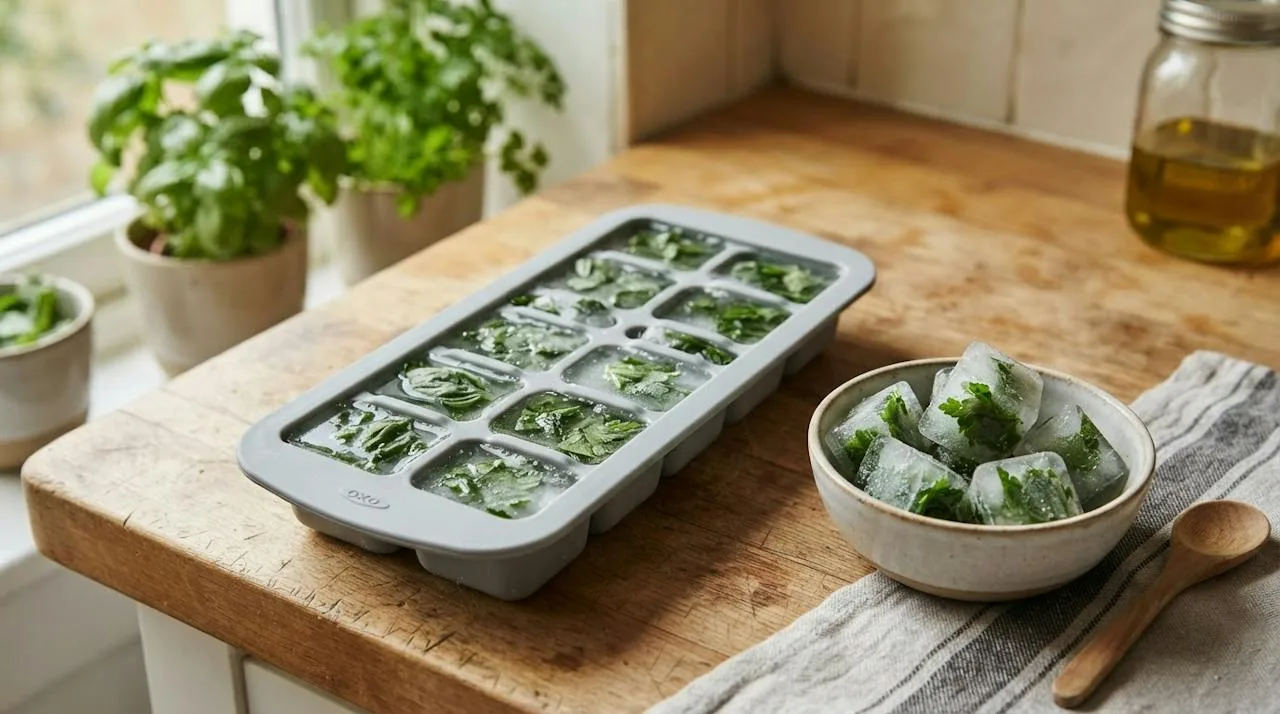
Freezing is the best way to keep tender herbs that don’t dry well. Clemson University’s Home and Garden Information Center notes that freezing is an excellent way to preserve the flavor of herbs like basil, and suggests chopping them and freezing them in ice cube trays filled with water. Drop a cube straight into soups, sauces and stews. Frozen herbs lose their crispness, so they’re best for cooking rather than garnishing.
Drying Your Own
Woody herbs are easy to dry at home. The National Center for Home Food Preservation recommends tying herbs in small bundles and air-drying them, preferably indoors, or using a food dehydrator at 95 to 115°F (up to 125°F in humid areas). Store the dried leaves whole in airtight jars and crush them only when you cook, so they keep their flavor longer.
Herb Oils: Keep Them Cold
If you preserve herbs in olive oil, keep it in the fridge. The CDC advises refrigerating homemade oils made with garlic or herbs and throwing them away after 4 days, because those mixtures can allow botulism bacteria to grow. My Mediterranean preserving and brining guide covers safer long-term ways to preserve Mediterranean flavors.
Putting It Into Practice
Here’s how fresh and dried herbs work together in everyday Mediterranean cooking:
- Beans and chickpeas: Simmer with a bay leaf and a sprig of thyme or rosemary, then finish with plenty of fresh parsley. My guide to cooking dried chickpeas is a perfect place to try it.
- Tomato sauces: Simmer with dried oregano, then tear in fresh basil at the end, the way it finishes my Sicilian caponata.
- Grain bowls: Season warm grains with dried herbs and olive oil, then top with a fresh herb sauce. My Mediterranean grain bowls guide has the full formula.
- Fish and chicken: Marinate with dried oregano, lemon and olive oil, then finish with fresh herbs.
- Salads: Use fresh herbs generously, and dried oregano on Greek salad.
For a week of meals built around these ideas, see my 7-day Mediterranean diet meal plan, and stock up with my Mediterranean diet shopping list.
Frequently Asked Questions
About 1 teaspoon. Dried herbs are roughly three times as concentrated as fresh, so use one-third the amount.
In cooked dishes like tomato sauce, you can use 1 teaspoon of dried basil per tablespoon of fresh, but the flavor is much weaker. In pesto, salads and other dishes where basil is the star, use fresh.
For many Mediterranean dishes, yes. Dried Greek oregano has a concentrated, punchy flavor that’s traditional in Greek salads, roasted potatoes and grilled meats. Fresh oregano is milder and greener.
Early, so they have time to rehydrate and release their flavor in the liquid or oil. Add tender fresh herbs at the end.
About a year for best quality, according to Oklahoma State University Extension, when stored in tightly sealed containers in a cool, dark place away from the stove. Replace them when the color fades and the aroma is weak.
Yes, but give them at least 15 to 30 minutes to soften in the dressing before serving, and use one-third the amount.
With a bunch of parsley in a jar and dried oregano on the shelf, Nevaeh Hall


