
Delicious Yellow Split Pea Dip (Santorini Fava) Recipe
Yellow Split Pea Dip (Santorini Fava) is one of those recipes I make when I want something cozy but still bright and zippy. You know the feeling when you are hungry, you want a real snack, but you do not want to babysit the stove all night? This dip hits that sweet spot. It is creamy, filling, naturally vegan, and it feels kind of fancy even though it is basically humble pantry food. The first time I tried it, I could not believe yellow split peas could turn into something so smooth and rich. If you have ever needed a reliable dip for friends or a simple lunch that does not feel boring, this is it.
What is Greek fava?
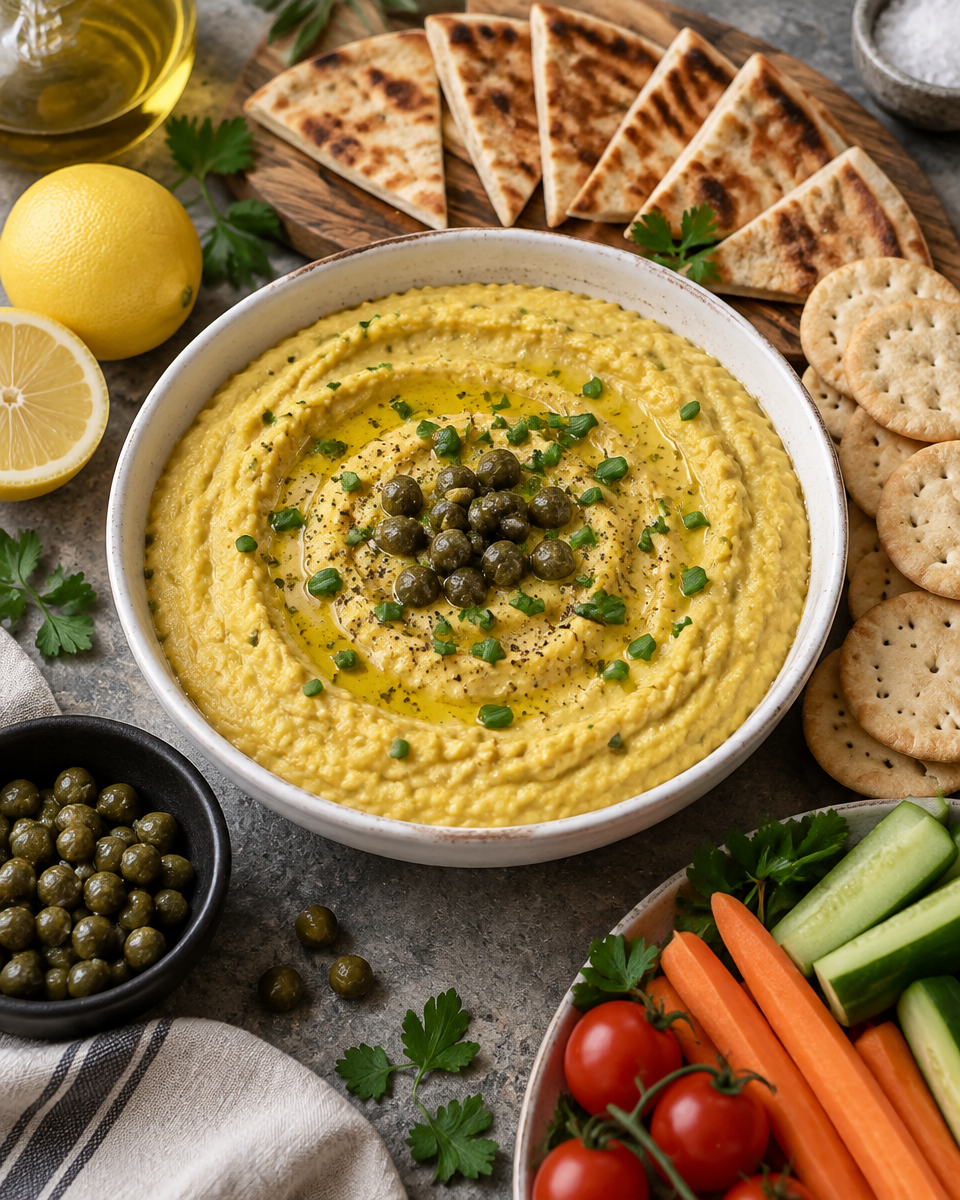
Greek fava is a creamy puree style dip that is super popular in Greece, especially on Santorini. Despite the name, it is not made from fava beans like you might assume. Traditionally, it is made from yellow split peas, cooked until soft, then blended or mashed into a velvety dip.
The flavor is gentle and a little sweet from the peas, but the toppings make it sing. Think olive oil, lemon, onion, capers, and sometimes a few herbs. It is one of those simple foods that tastes like more than the sum of its parts.
If you are familiar with hummus, it lives in the same snack universe, but it is different. Hummus has that nutty chickpea vibe and tahini richness. Greek fava is lighter, smoother, and a bit more delicate. If you are in a chickpea mood too, I have a helpful guide on how to cook dried chickpeas that makes homemade dips so much better.
How to make Greek fava?
Let me walk you through how I make it at home. This is not complicated, but a few small choices make a big difference, like rinsing the peas well and giving them enough time to soften fully.
Step by step directions
Here is my go to method for Yellow Split Pea Dip (Santorini Fava). I make it with water, not broth, because I want the split pea flavor to stay clean. Then I build flavor at the end with lemon and olive oil.
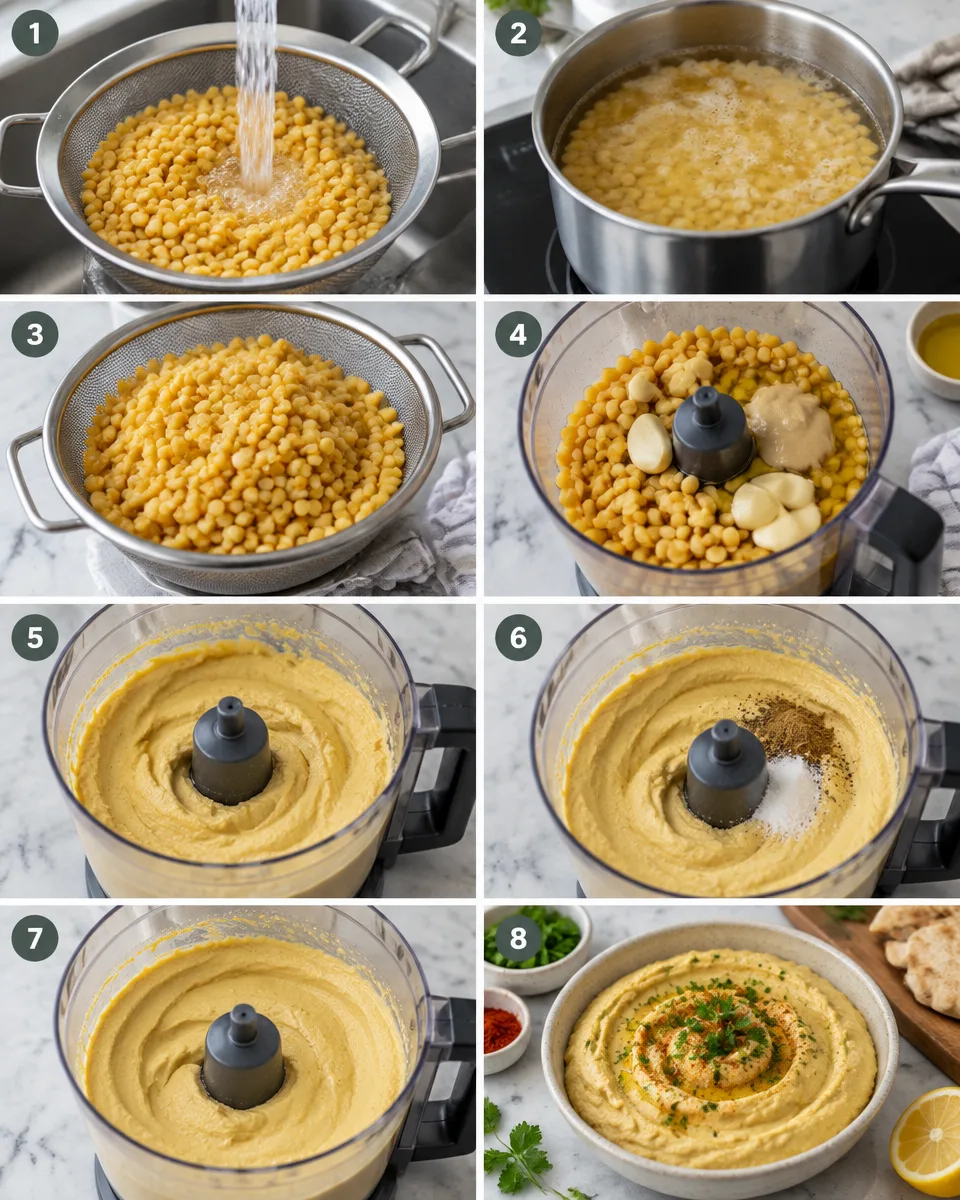
- Rinse the yellow split peas in a fine strainer until the water runs mostly clear. This helps keep the flavor fresh and the texture smoother.
- Add peas to a pot with water. A general rule I use is about 3 to 4 cups water per 1 cup split peas.
- Add a small chopped onion (or a few slices) and 1 bay leaf if you like. Bring to a gentle boil.
- Skim foam from the top for the first 10 minutes. This helps keep the puree clean tasting.
- Lower the heat and simmer uncovered, stirring now and then, until the peas are very soft. Usually 35 to 50 minutes depending on your peas.
- Remove the bay leaf and onion pieces if you want it extra smooth.
- Blend with a stick blender right in the pot or carefully transfer to a blender. Blend until creamy.
- Stir in salt, fresh lemon juice, and good olive oil. Taste and adjust until it pops.
I like it thick enough to hold a swirl of olive oil on top. If it gets too thick, just loosen it with a splash of warm water and blend again for a few seconds.
By the way, if you enjoy making dips from scratch, you might also like my post on hummus from dried chickpeas. It is a totally different vibe, but it scratches the same homemade snack itch.
Key ingredients for Greek fava
This dip is proof that you do not need a long ingredient list to make something delicious. The trick is using a few good basics and not skipping the finishing touches. Here is what I consider the core lineup.
The essentials and a few favorite extras
You can keep it very traditional or play around depending on what is in your kitchen.
Main ingredients:
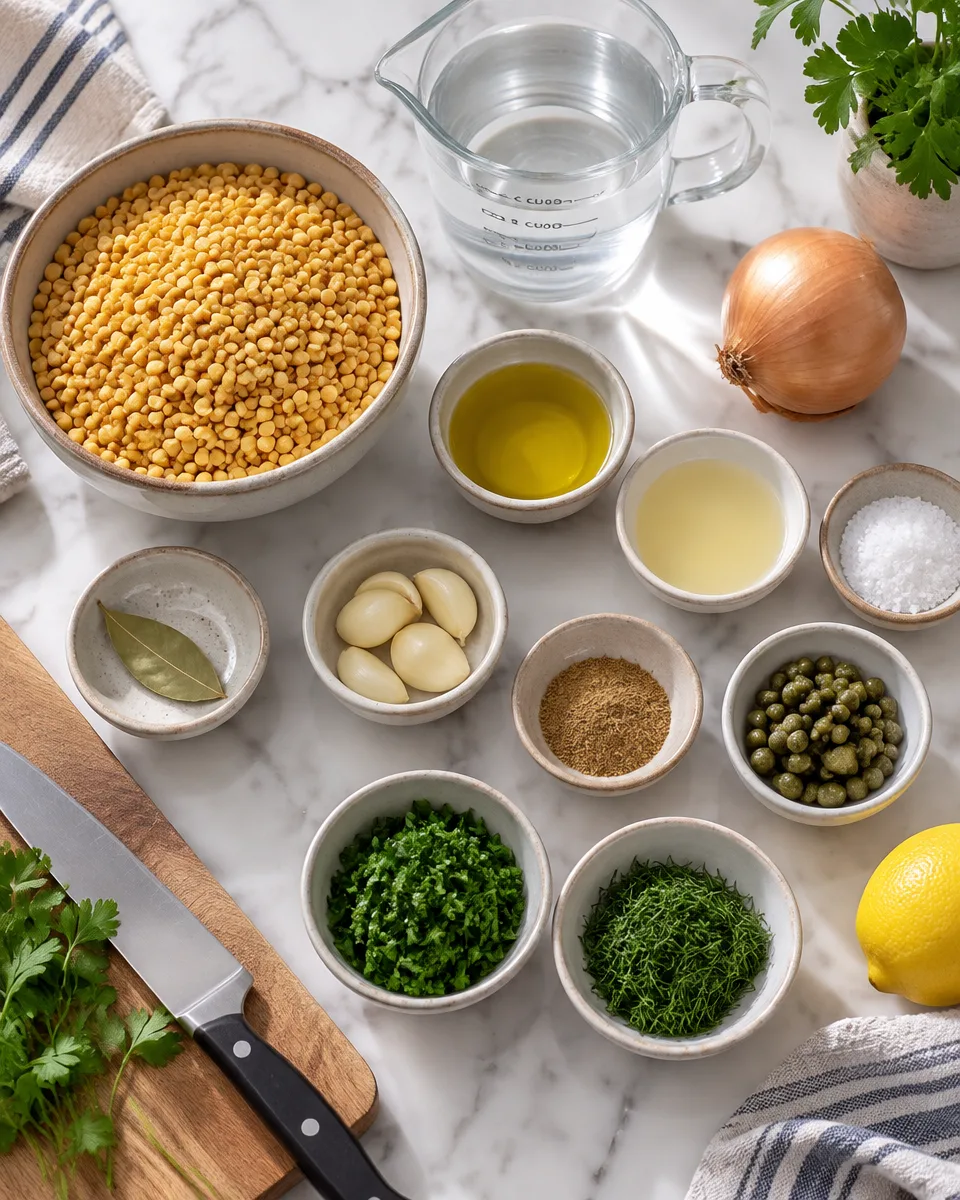
Yellow split peas, water, onion, olive oil, lemon juice, salt.
Optional but really nice:
Bay leaf, garlic (just a little), cumin (tiny pinch), capers, chopped parsley or dill.
For olive oil, use the good stuff if you can because you will taste it. This is one of those recipes where the finishing drizzle matters. And lemon is not optional in my book. Lemon is what turns this from mild puree into something you keep going back to with just one more bite.
If you are the kind of person who keeps dried legumes around, it is worth learning a solid method for basics like chickpeas too. I keep this bookmarked for myself: how to cook dried chickpeas. It makes meal prep feel way easier during the week.
Cooking tips and helpful hints
This is the section I wish someone had handed me the first time I made Yellow Split Pea Dip (Santorini Fava). Mine was good, but it was not dreamy smooth until I figured out a few small things.
How to get that creamy Santorini style texture
Rinse well. Yellow split peas can carry a bit of powdery starch. Rinsing helps the flavor and the final texture.
Simmer gently, do not rush it. If the heat is too high, the bottom can stick and the water can reduce too fast. A steady simmer gives you softer peas and a silkier blend.
Skim the foam early on. This is not about being fancy. It just keeps the taste cleaner and the color nicer.
Blend while warm. Warm peas blend up smoother than cold ones. If you are using a blender, be careful with steam and do it in batches.
Season at the end. Salt and lemon are easier to control once the peas are fully cooked. Start with less than you think, then adjust.
Make it ahead. It actually tastes better after it sits for a bit. I often make it, chill it, then bring it back closer to room temp before serving. Add a fresh drizzle of olive oil right before it hits the table.
Also, if you love dips and spreads, making a batch of hummus from dried chickpeas alongside this fava is such a fun little spread situation for guests. Two dips, some olives, crunchy cucumbers, warm pita, done.
How to serve Greek fava
Serving is honestly half the joy with Greek fava because the toppings are where your personality gets to show up. When I serve Yellow Split Pea Dip (Santorini Fava) for friends, I keep the base classic and then put a couple toppings on the table so people can customize.
Here are my favorite ways to serve it:
- Classic style: a generous drizzle of olive oil, chopped red onion, and a squeeze of lemon
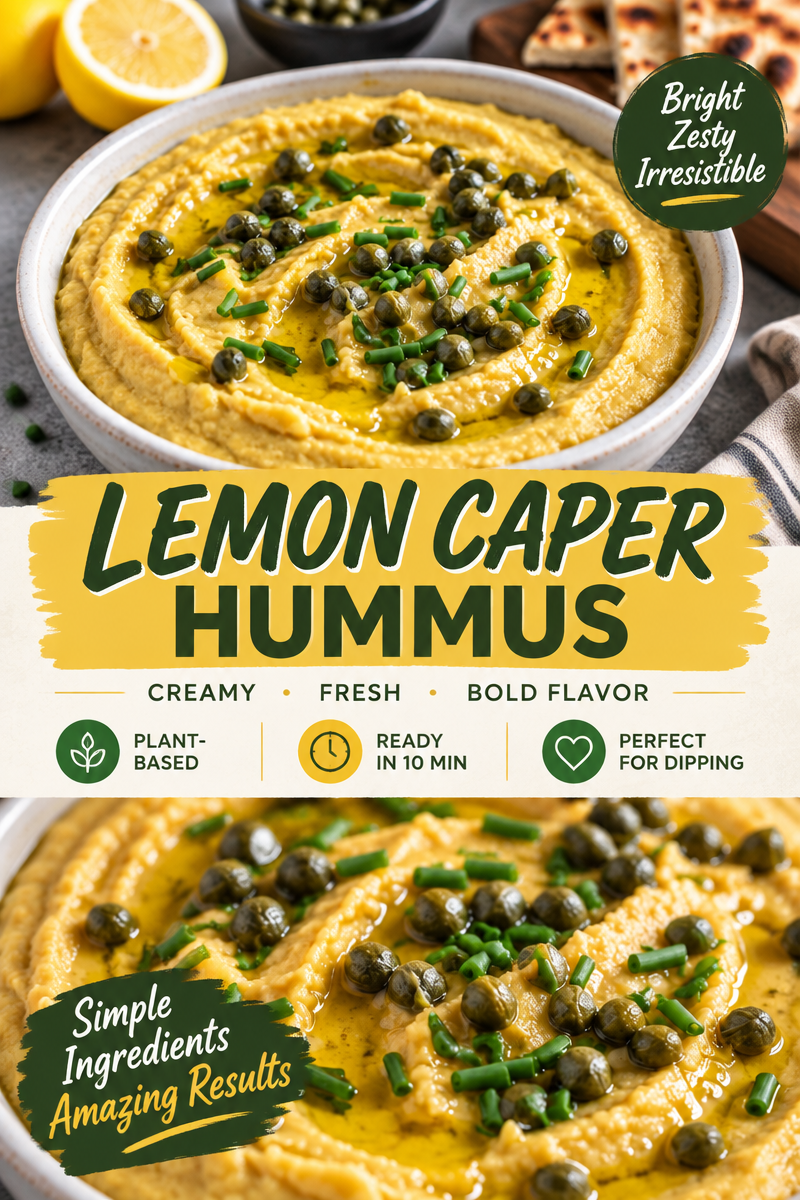
- Briny and bold: capers, oregano, and extra olive oil
- Herby and fresh: parsley or dill, plus lemon zest
- With heat: a pinch of chili flakes or a few slices of fresh chili
- Snack board moment: pita, toasted bread, cucumbers, cherry tomatoes, olives, and this dip in the center
I also love it as a simple lunch bowl base. I spread a thick layer on a plate, top it with chopped tomatoes and cucumbers, and eat it with warm flatbread. It is humble and satisfying.
If you are planning a full mezze style spread, pairing it with chickpea dishes makes everything feel more complete. And if dried chickpeas intimidate you, seriously, they do not have to. This guide on how to cook dried chickpeas makes it feel totally doable.
A little pep talk before you cook
Yellow Split Pea Dip (Santorini Fava) is one of those recipes that makes you feel like you have your life together, even if your kitchen is a mess. It is simple, it is forgiving, and it tastes like something you would order on vacation. If you want another trustworthy reference to compare notes and see a slightly different approach, check out this Easy Greek Fava recipe (yellow spilt pea puree dip) – Olive & Mango. Make a batch, drizzle that olive oil like you mean it, and do not forget the lemon. You are going to love how easy it is to turn a bag of split peas into a dip you will crave all week.
Print
Yellow Split Pea Dip (Santorini Fava)
- Total Time: 1 hour
- Yield: 4 servings
- Diet: Vegan
Description
A creamy, filling, and naturally vegan dip made from yellow split peas, perfect for snacks or lunch.
Ingredients
- 1 cup yellow split peas
- 3-4 cups water
- 1 small onion, chopped
- 1 bay leaf (optional)
- Salt, to taste
- 2 tablespoons fresh lemon juice
- 2-3 tablespoons good quality olive oil
- Optional: garlic, cumin, capers, parsley or dill for garnish
Instructions
- Rinse the yellow split peas in a fine strainer until the water runs mostly clear.
- Add the peas to a pot with water and a chopped onion, along with a bay leaf if desired.
- Bring to a gentle boil.
- Skim foam from the top for the first 10 minutes.
- Lower the heat and simmer uncovered, stirring occasionally, until peas are very soft (about 35-50 minutes).
- Remove the bay leaf and onion pieces if desired.
- Blend the mixture until creamy using a stick blender or a regular blender.
- Stir in salt, lemon juice, and olive oil to taste.
Notes
For an extra creaminess, blend while warm. Adjust salt and lemon at the end for the best flavor.
- Prep Time: 10 minutes
- Cook Time: 50 minutes
- Category: Dip
- Method: Blending
- Cuisine: Greek


