

Focaccia Genovese: A Taste of Liguria
Focaccia Genovese is my go to fix when I want fresh bread but I do not want to babysit a complicated dough all day. Maybe you have had that moment where dinner is ready, everyone is hungry, and the bread situation is sad. This is the kind of bake that makes your kitchen smell like a tiny seaside bakery, even if you are just in sweatpants at home. One quick thing before we start, good olive oil matters here, so if you are not sure yours is still fresh, take two minutes to read how to store olive oil because it really does change the flavor. I will walk you through the whole thing in plain language, with the little tricks I learned after making it a bunch of times.
Why You’ll Love Focaccia Genovese
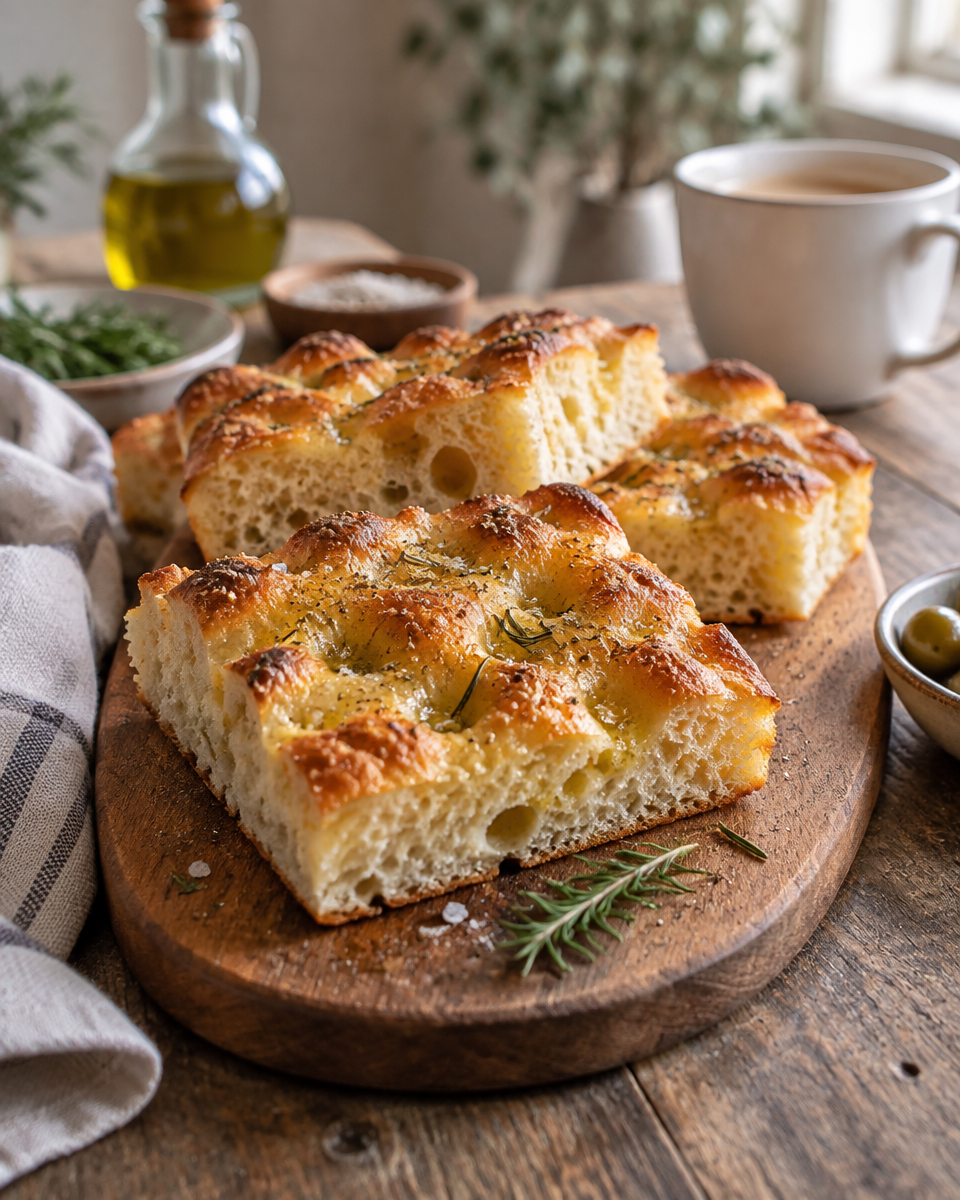
I fell hard for Focaccia Genovese because it hits that sweet spot between simple and special. You get a golden top, those little dimples that hold tiny pools of olive oil, and a soft center that still has some bite. It is not just bread, it is snack, side dish, and next day breakfast if you are lucky.
Here is what makes it such a keeper in real life:
- It is forgiving. The dough does not need fancy handling.
- It feeds a crowd. One pan goes far, especially with soup or salad.
- It tastes like a meal even with nothing on it but salt and oil.
- Leftovers are useful. I turn it into sandwiches, croutons, and dunking bread.
Also, if you are cooking anything Ligurian, this bread just makes sense next to it. When I make pasta and want the full vibe, I often pair it with basil sauce and call it a night. If you like that idea, my favorite read for getting the flavor right is Pesto Genovese, because the combo of herby pesto and salty focaccia is honestly unfair in the best way.
Ingredient notes
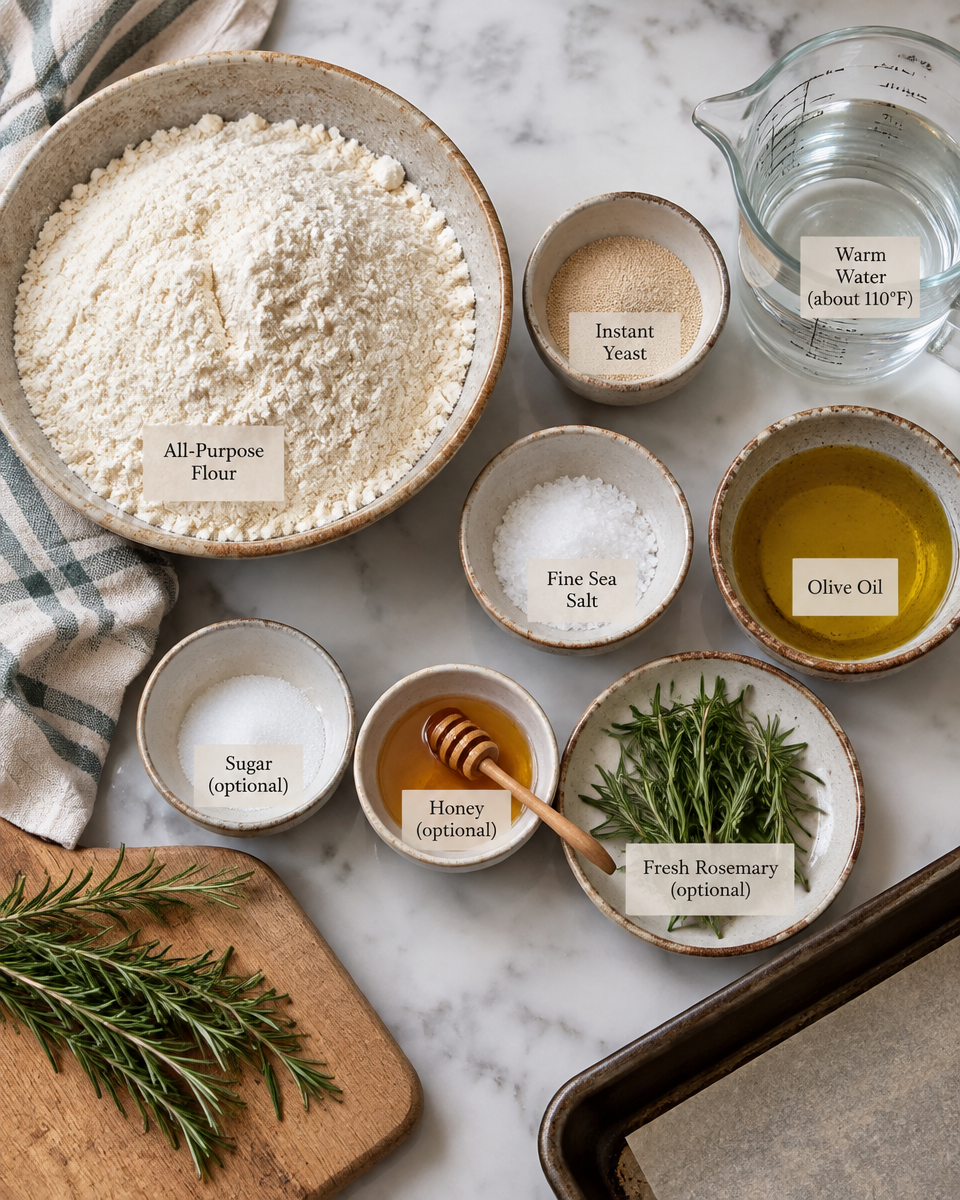
Let us keep this stress free. Traditional Focaccia Genovese is not loaded with toppings. It is more about the dough and the briny, oily finish. That said, small choices make a big difference.
What you will need and why it matters
Flour: Regular all purpose flour works great. Bread flour gives a slightly chewier bite, but do not overthink it.
Yeast: I usually use instant yeast because it is easy. Active dry is fine too, just wake it up in warm water first.
Water: Aim for warm, not hot. If it feels like a nice bath, you are good.
Salt: Do not skip it. I use fine sea salt in the dough and a little sprinkle on top. If you have flaky salt, save it for the finish.
Olive oil: This is the star. Use one you like the taste of. Since we use a decent amount, storing it well matters, and I keep bookmarking how to store olive oil when friends ask why their oil tastes dull.
Optional: A pinch of sugar or a spoon of honey can help yeast along, but it is not required. Rosemary is tasty, but classic Genoa style is usually simple.
I know ingredient lists can feel like a lecture, but for Focaccia Genovese, it is mostly about not using old yeast and not being shy with the oil on the pan. That is where the magic crust comes from.
How to prepare Focaccia Genovese
This is the part where people get nervous, but I promise it is mostly waiting. The hands on time is short. I like to make it on a weekend afternoon when I am already home doing laundry or scrolling for dinner ideas.
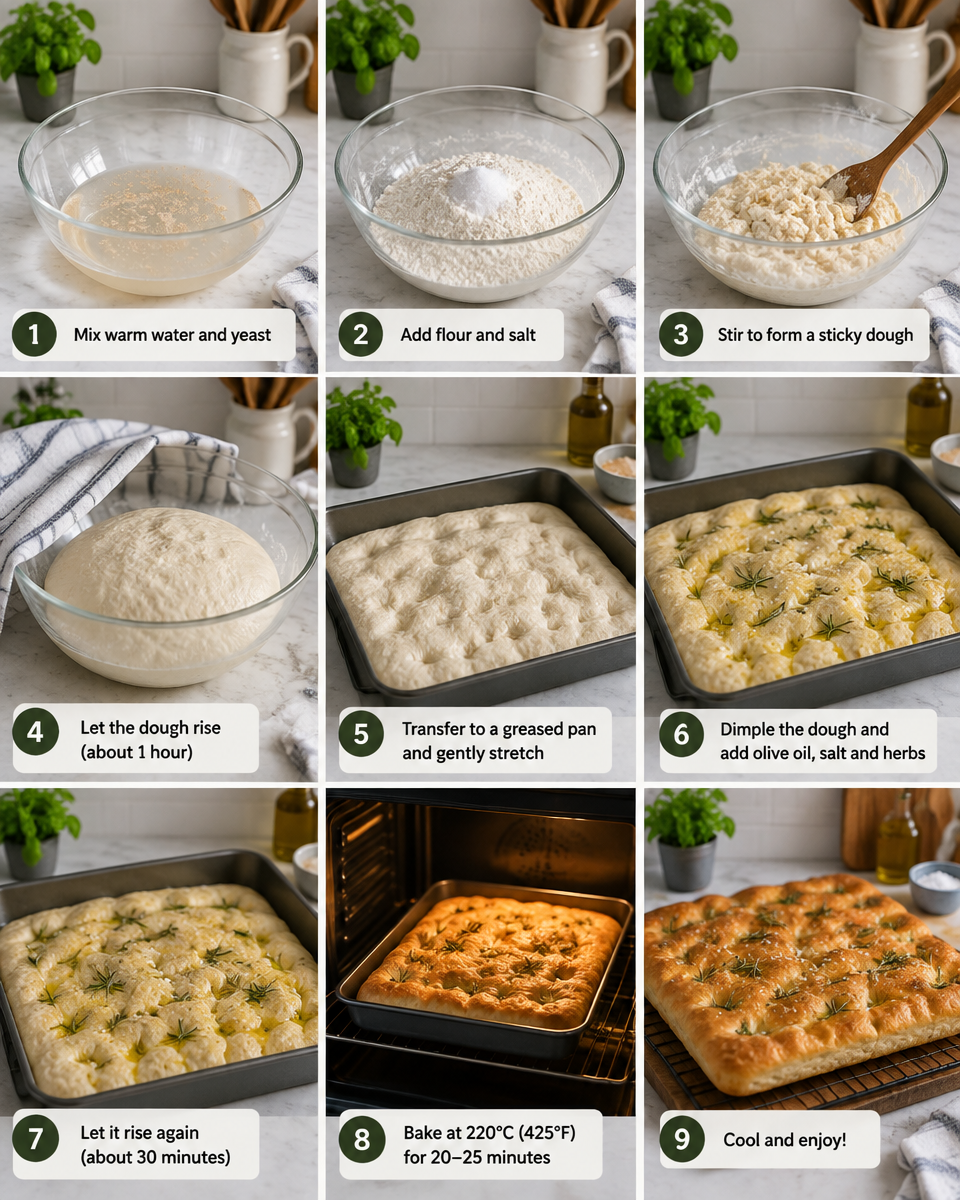
Step by step, without the fuss
1. Mix the dough
In a big bowl, stir together warm water and yeast. Add flour and salt, then mix until you have a shaggy dough. It will look messy. That is normal.
2. First rise
Cover the bowl and let it rise until puffy, usually about 60 to 90 minutes depending on your kitchen. If your place is chilly, it might take longer. If it doubles, you are good.
3. Oil the pan generously
Use a sheet pan or a metal baking pan. Pour in olive oil and spread it around. Do not be stingy. This is how you get that classic bottom crust.
4. Stretch the dough
Put the dough in the pan and gently press it out. If it fights you, let it rest 10 minutes and try again. Forcing it just tears it. I do this in two rounds: press, rest, press again.
5. Second rise in the pan
Cover loosely and let it puff again, around 30 to 45 minutes. This is when it starts looking like focaccia instead of a sad flat situation.
6. Make the brine and dimple
Here is the signature move for Focaccia Genovese. Mix a little water with olive oil and salt. Then use your fingertips to press dimples all over the dough, all the way down but not ripping through. Pour the brine over the top so it settles into the dents.
7. Bake
Bake in a hot oven, usually around 425 F, until deeply golden on top and crisp at the edges. In my oven it is about 18 to 25 minutes. Rotate the pan once if your oven has hot spots.
8. Cool a bit, then eat
Let it sit for at least 10 minutes before slicing. I know it is hard. But if you cut it instantly, steam escapes and the inside can get gummy.
If you want to serve it in a very Ligurian way, bring out something basil heavy on the side. I have done little bowls of pesto for dipping and it turns into an accidental appetizer party. If you need a solid guide for that sauce, here is my favorite: Pesto Genovese.
Tips for success
I learned these the hard way, so you do not have to.
Use enough oil. The pan should be well coated, and the top needs a good drizzle too. This is not diet food and it is not pretending to be.
Do not rush the rises. If your dough looks tight and dense, give it time. Yeast works on its own schedule.
Dimple with confidence. Light little pokes do not do much. You want real indentations so the brine has somewhere to go.
Chase color, not the clock. Every oven is different. For Focaccia Genovese, pale is not the goal. You want a top that is properly golden with darker edges.
Salt matters on top. Even if you salted the dough, that finishing sprinkle is what gives you that classic bite.
And one more thing that sounds boring but is not: if your olive oil has been sitting by the stove for months, heat and light can dull the flavor. I keep a small bottle for daily use and store the rest properly, and this guide explains it clearly: how to store olive oil.
Storage
Focaccia Genovese is best the day you bake it, no surprise there. But you can still keep it tasty for a couple days with a few simple moves.
Room temp: Wrap pieces in foil or keep in an airtight container for up to 2 days. I like foil because it keeps the crust from going weirdly soft too fast.
Reheating: Warm it in the oven at 350 F for 8 to 12 minutes. If you want the bottom crisp again, put it directly on the oven rack for the last 2 minutes. Avoid the microwave if you can, it makes it chewy in a sad way.
Freezing: Yes, you can freeze it. Slice first, wrap well, and freeze up to 2 months. Reheat from frozen in the oven until hot and crisp.
I also love using day old focaccia for sandwiches. Slice it, toast lightly, and fill with mozzarella, tomatoes, and anything salty. It holds up well and does not fall apart like some soft sandwich breads do.
A little Ligurian moment in your own kitchen
If you take one thing from this, let it be this: Focaccia Genovese is about simple ingredients treated kindly, plus a generous hand with olive oil and salt. Once you make it one time, the process stops feeling mysterious and starts feeling relaxing. If you want to compare methods or just nerd out on the classic approach, I really like this reference: Focaccia genovese – Memorie di Angelina. Try a pan this week, and if your first one is not perfect, still eat it warm and proud because homemade focaccia has a way of disappearing fast anyway.
Print
Focaccia Genovese
- Total Time: 90 minutes
- Yield: 8 servings
- Diet: Vegetarian
Description
A simple yet delicious Italian bread featuring a golden top and soft center that is perfect for snacking or serving alongside meals.
Ingredients
- 3 cups all-purpose flour
- 1 packet instant yeast
- 1 1/2 cups warm water
- 2 teaspoons fine sea salt
- 1/4 cup olive oil (plus more for greasing)
- Optional: pinch of sugar or honey, rosemary
Instructions
- Mix the dough: In a big bowl, stir together warm water and yeast. Add flour and salt, then mix until you have a shaggy dough.
- Cover the bowl and let it rise until puffy, usually about 60 to 90 minutes.
- Oil the pan generously: Use a sheet pan or metal baking pan, pour in olive oil and spread it around.
- Stretch the dough into the pan and gently press it out. If it resists, let it rest for 10 minutes before trying again.
- Cover loosely and let it puff again for around 30 to 45 minutes.
- Mix a little water with olive oil and salt to create a brine. Press dimples into the dough, then pour the brine over it.
- Bake in a preheated oven at 425°F for 18 to 25 minutes until golden.
- Cool for at least 10 minutes before slicing.
Notes
Make sure to use fresh olive oil for the best flavor. Focaccia is best served fresh but can be stored for a few days or frozen.
- Prep Time: 15 minutes
- Cook Time: 25 minutes
- Category: Bread
- Method: Baking
- Cuisine: Italian


